


|
|
|
|
 | Write |
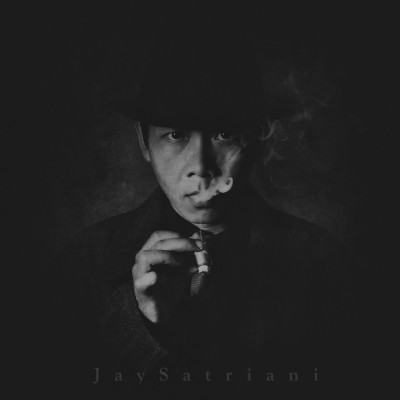 | Jay Satriani PRO Editing that is full of creativity and precision, from an ordinary looking image to one with high artistic value. Thank you for sharing this good experience... thank you editor Arnd and My good friend Yvette..greetings |
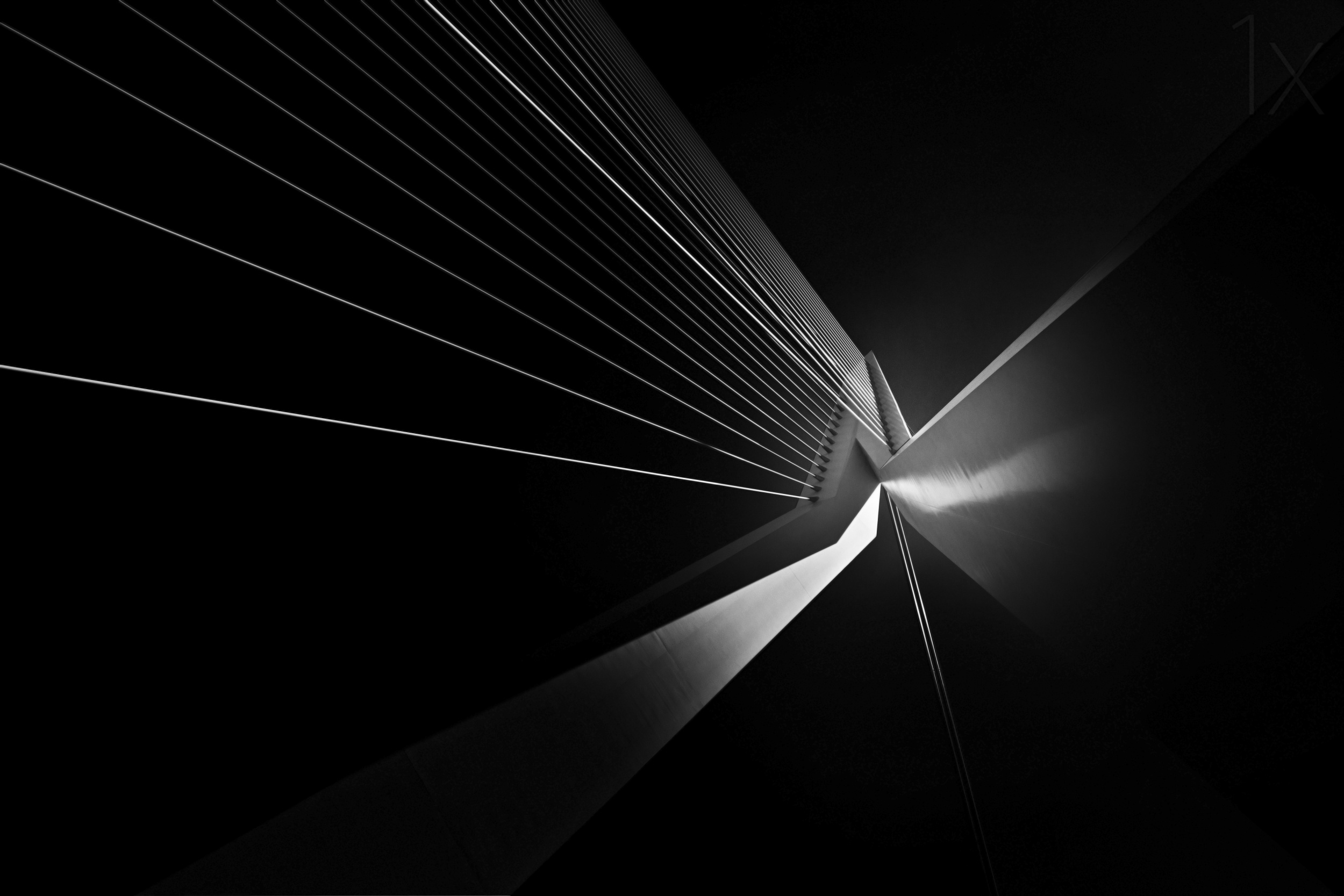
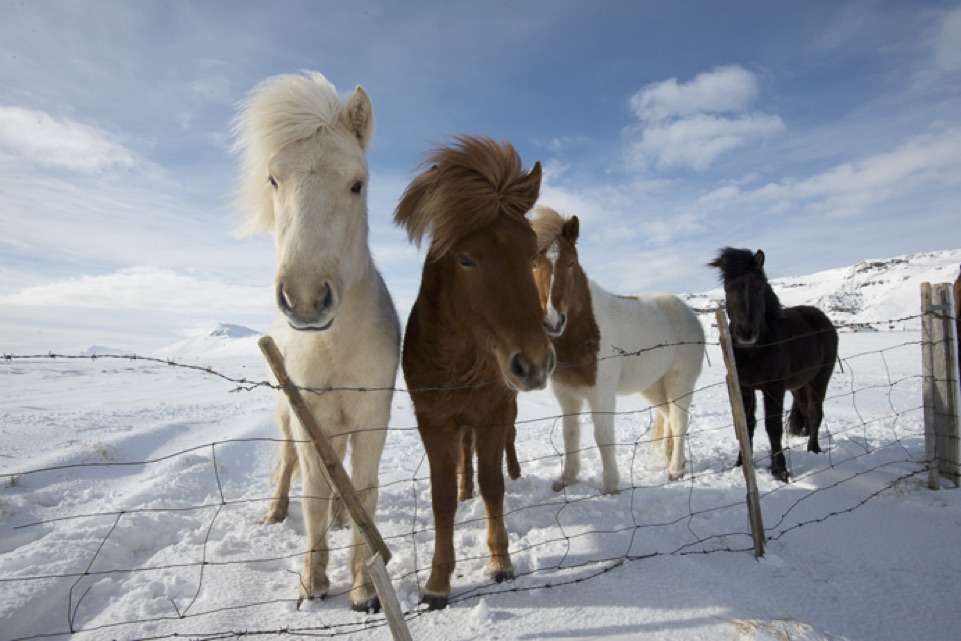
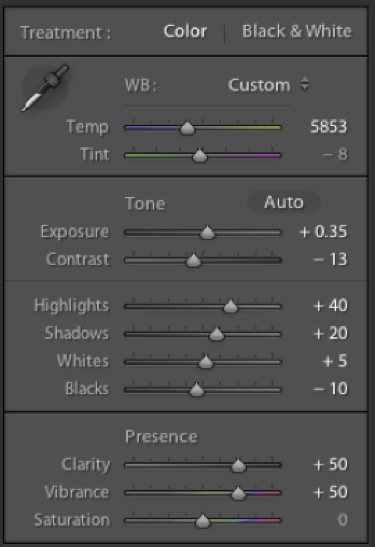
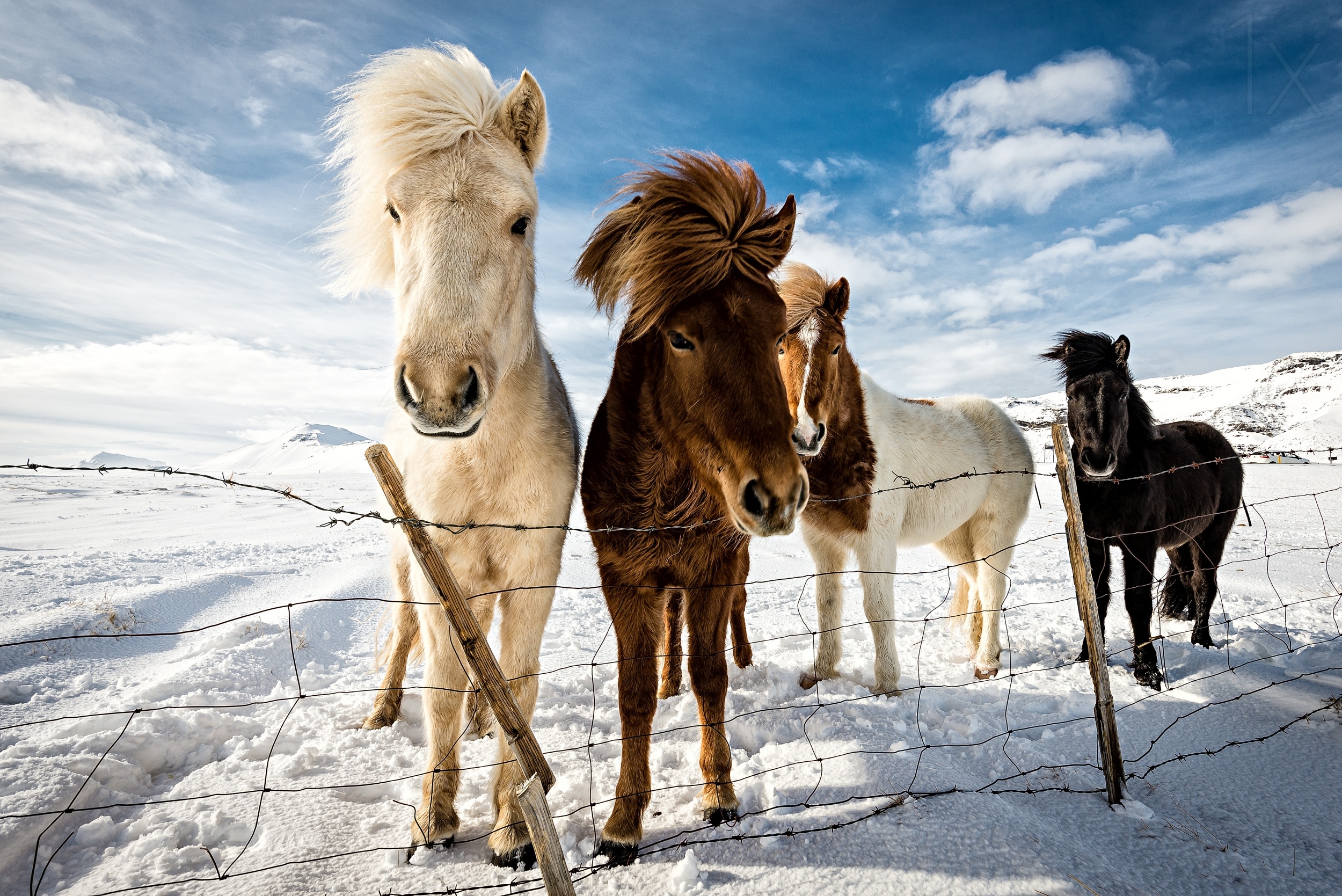 Nikon D600 . Nikkor 16-35 f/4 . 16mm . 1/100s . f/16 . ISO100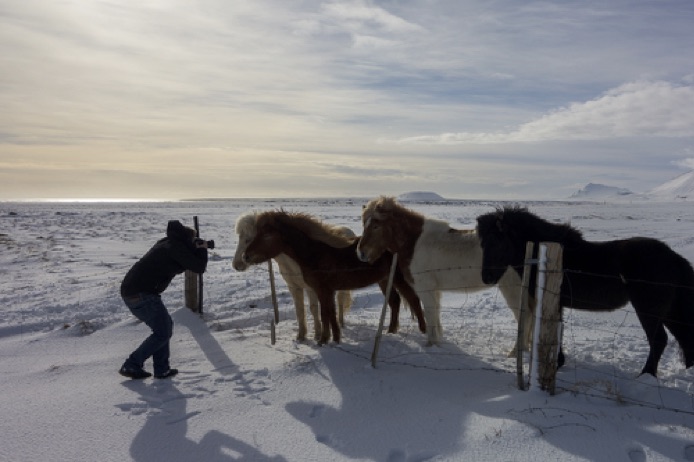
|
 | I really love Icelandic horses, and I was also keen to take photos of them when I was in Iceland. Icelandic horses are also popular here in Norway. I liked your work very much, dear Mike. Congratulations!. Well done! Interesting article! Many thanks to you too, Ivette. |
 | Sophie B PRO Wonderful photo! And inspires me to go to Iceland, thank you! |
 | Ivan Tomic PRO Lovely article! I suspect a very specific president might actually get jelaus of those beautiful hairstyles. |
| Sophie B PRO 🤣 |
by Yvette Depaepe
Published the 19th of October 2026
This interview is close to my heart. My good friend Jay Satriani, who joined 1x in 2011 took a six-year break to reflect on his creative path. Jay is back! For him, photography is not merely about what is visible, but about what lies beyond the visible. It is not simply meant to be seen, but to be felt, explored, and experienced.
The time is right to discover - or rediscover - the soulful creative artist Jay is at the core of this interview and the messages he shares.
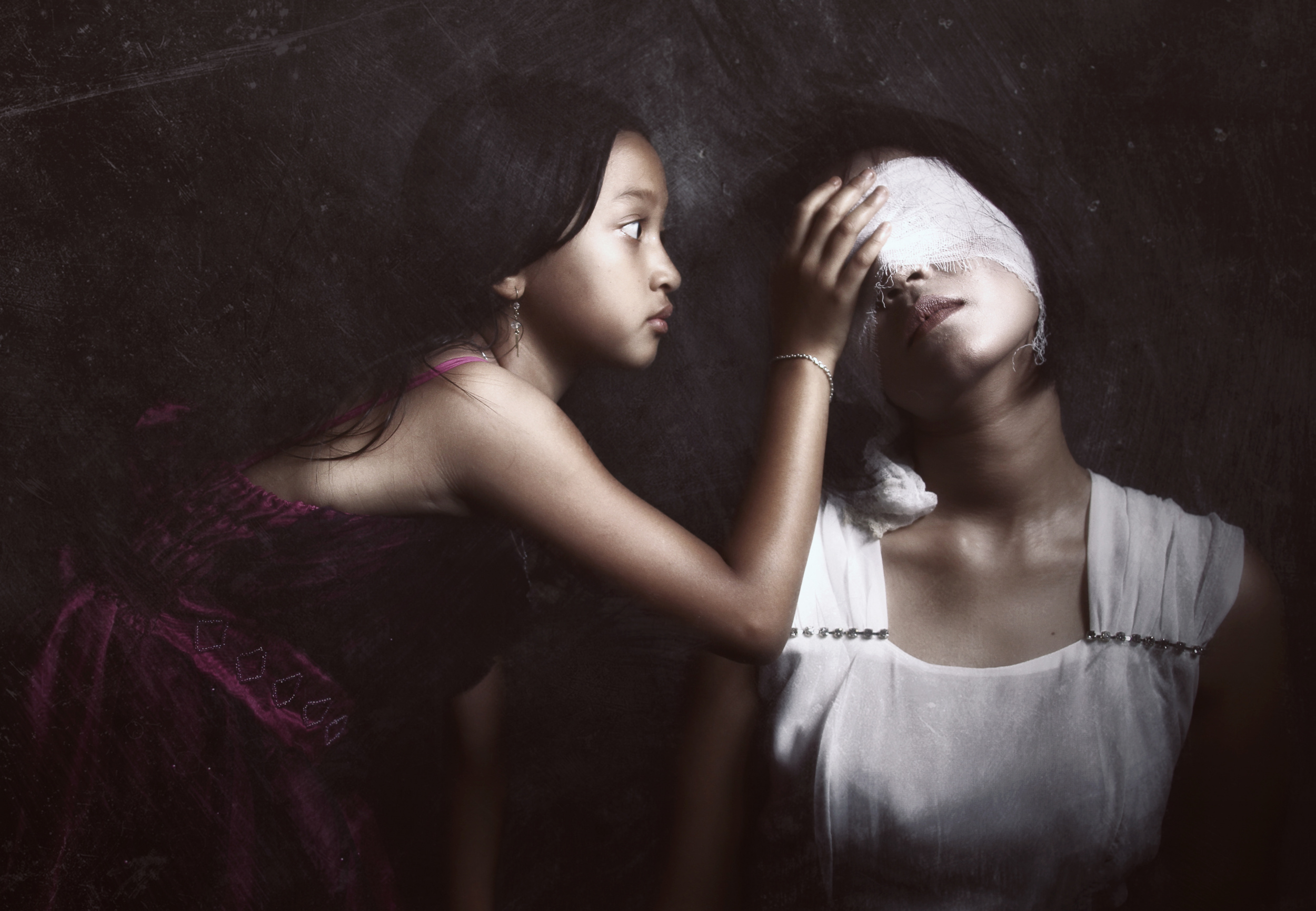
‘Love That Pierces the Darkness’
Dear Jay, first I would like to thank you so much for taking the time to answer this questionnaire! To begin, please introduce yourself shortly and tell us more about you, your hobbies or other projects ou are involved in!
My name is Pajar Setiadi, but I am better known by my stage name, Jay Satriani. I was born in Ciamis, West Java, Indonesia, in 1983. I have been pursuing a career in music as a guitarist in metal and rock bands since the age of ten, and have also explored collaborations with traditional Sundanese music. This journey has earned me several festival awards and resulted in two albums. In addition to music, I was introduced to analogue photography as a child through my late father's camera. However, music initially became my greater passion. Since 2004, however, photography has grown to become an essential part of my artistic journey. Currently, I am revisiting my earlier work and discovering meanings that I could not fully understand until now. They have become mirrors, encouraging me to reflect, reassess and improve. To me, the past cannot be changed, but it can be understood. The lessons I learn from it today will form the foundation for a better tomorrow.
When and how did you start your photographic journey?
My journey into photography began in 2003, when I was feeling creatively exhausted by music and wanted to explore another art form. The following year, I started learning photography by assisting a friend who was a commercial photographer with wedding and pre-wedding projects, despite not owning a camera myself. I spent a lot of time at his studio, sometimes even sleeping there, driven by my desire to learn about photography and understand it better. Through dedication, patience and perseverance, I gradually mastered camera handling and lighting. I eventually established Warna Fotografi and organised photo-hunting events with my photography community.
For many of us photography is either a hobby or a way of life. How would you define your relationship with photography?
For me, photography began as a hobby that gradually evolved into a profession. Over time, however, it has come to mean so much more than just a career. It has become a way for me to express my feelings, reflect on my experiences and tell the visual story of my life's journey.
What would be the most important experience so far that has influenced your steps in photography?
For me, the most important experience has been discovering that photographs can convey meanings that I only begin to understand years later. Photography has taught me to see with my eyes, to feel, and to understand life. Over time, I have learned that emotional honesty, intuition and inner exploration matter more to me than technical perfection. For me, photography is about more than just creating images; it's also about discovering myself through my work.
Describe your overall photographic vision.
My vision is to use photography as a visual language through which to express emotions, silence and the inner journey of human beings. My approach is intuitive and emotional, and I am not bound by rules or technical perfection. Using symbolism, imagination and everyday reality, I aim to create images that evoke feelings and encourage contemplation. For me, photography is a journey towards understanding life, time and the self.
The mood and composition in your fine art and conceptual works are outstanding! What is your secret and why are you so drawn by this photography type?
Discovering my photographic identity has been a decades-long journey, unfolding gradually much like life itself. After exploring various genres, concepts and creative processes, I started to ask myself: Where can I find work that truly reflects who I am? For me, every photograph I create and share becomes an opportunity for self-reflection. My interest in fine art and conceptual photography stems from my desire to visualise what I see, think and feel. It's not just about creating beautiful images for me; I want to convey atmospheres and meanings that others can feel and interpret in their own way. It is in this process that I find happiness in creating art. Even when a photograph conveys sadness, anger or loneliness, I accept every emotion as part of life. For me, the secret lies not in a particular technique, but in emotional honesty, intuition and the courage to stay true to myself.
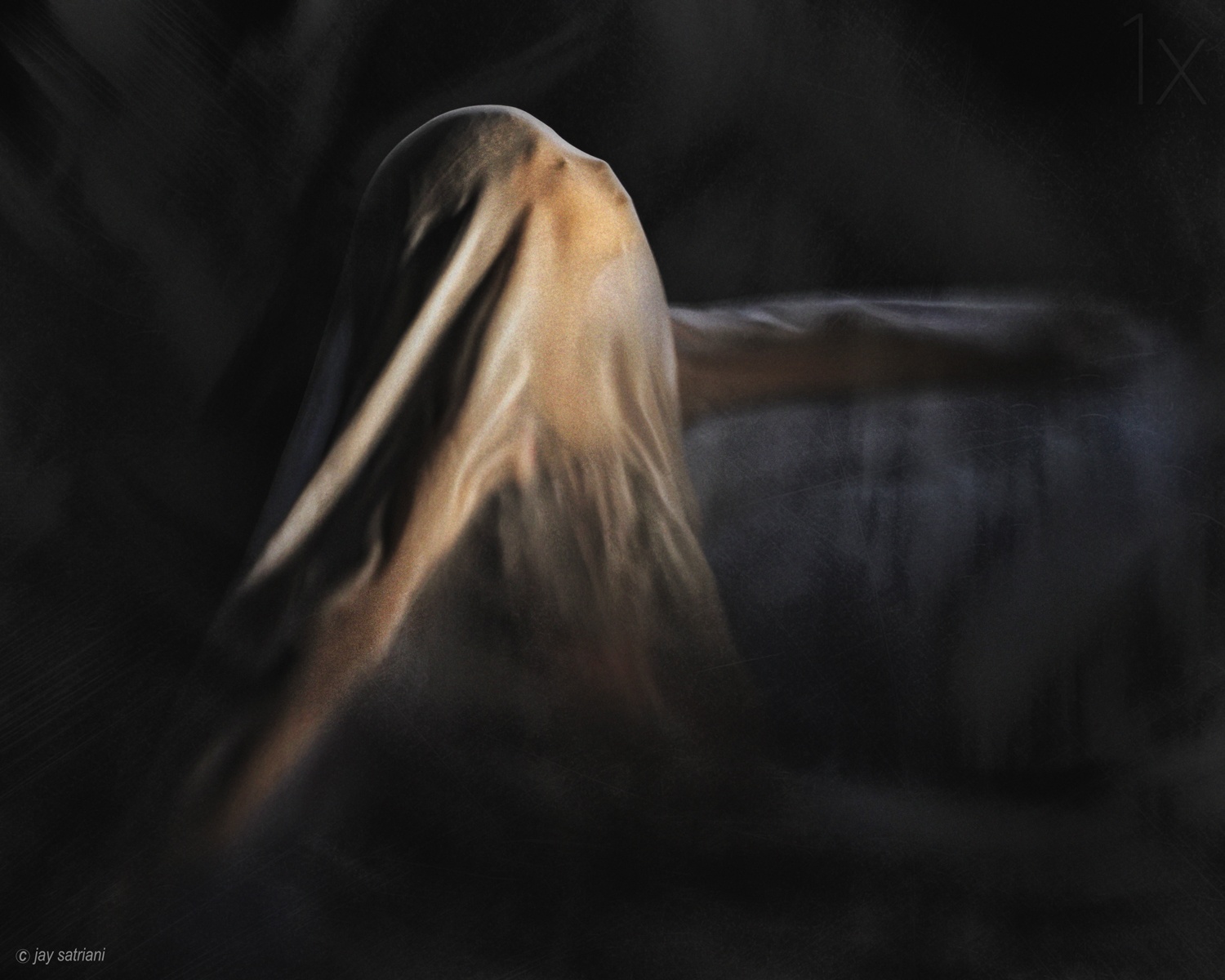
‘Flying In A Dream’
What are the main features of a successful photographer in your opinion?
In my view, a photographer’s success should not be measured solely by awards, praise or financial rewards, but by their courage in discovering their identity and creating honestly. When we create freely, without being burdened by rules or the need for recognition, we can fully express ourselves and convey meaningful messages through our photographs. Awards, praise and financial rewards are bonuses; discovering our artistic identity and producing work that comes from the heart is the true achievement.
Can you please tell us something more about your workflow from the idea to the final product?
I begin some of my projects with careful planning, which involves writing the concept, selecting props and costumes, and scouting locations. I explain the story and intended message to the models to help them understand and embody their roles. However, many of my works emerge spontaneously in Photoshop. In this process, I allow my intuition to guide me as I combine images until they take on their own form and meaning. Sometimes, the final result conveys a message that I had not previously recognised, as if the artwork itself were speaking to me. A habit that accompanies my creative process is listening to instrumental music tuned to 432 Hz while editing. This helps me to feel calmer, to focus my mind and to immerse myself in the atmosphere of the work. For me, creating art is not just about manipulating images; it is a dialogue between the mind, emotions, intuition and soul.
Where do you look to find inspiration for the visual stories you want to convey? What inspires you?
I am inspired by observing life, drawing from my own inner journey and the experiences of those around me. Stories shared by friends, music, films and simple life events often prompt me to seek deeper meaning. I also draw significant inspiration from the spiritual teachings I am studying and the wisdom of spiritual mentors. All of these things provide material for reflection, which I then express visually through symbols, atmosphere and imagination. To me, inspiration is not just something I see, but something I feel and contemplate. I allow intuition to guide the creative process, enabling the artwork to convey a message that cannot always be expressed in words.
Many are of the opinion that the gear is not very important when the passion for photography is strong. However, can you please share with us what gear you use (camera, lenses, lighting, tripod, etc.)?
In my opinion, equipment is important for supporting the creative process, but it should never be used as an excuse for complaining or limiting our creativity. To me, equipment is simply a means of capturing, creating and recording images. The process of taking a photograph actually begins long before the shutter button is pressed — it starts with thought, observation, feeling and imagination. The last equipment I used was a Canon EOS 7D, a Canon 24 mm STM prime lens, a Lensbaby 50 mm lens and lighting equipment from a local Indonesian brand. I no longer own any of this equipment. However, I believe that the essence of photography lies not in the sophistication of the tools used, but in how a photographer sees, feels and translates ideas into visual art. To me, the camera is just a tool — what matters most is the story and soul behind the image.
What would be your favorite photo? Please tell us the story behind it.
The photograph, titled 'Lonely', reflects my life's journey, expressing the feelings of loneliness, emptiness and inner void that have accompanied me at various points along the way. The breakdown of my marriage and living far from my children have become part of my inner journey, shaping my understanding of loneliness. Yet, to this day, I continue to learn from every life experience, and I am guided towards a deeper understanding of what loneliness truly means. Gradually, I have come to realise that we are never truly alone. Beneath the silence and emptiness that we sometimes feel, His presence accompanies us through every step of our lives. For me, 'Lonely' is not just a story of solitude; it is an inner journey towards the realisation that even in our deepest loneliness, we are never truly abandoned.
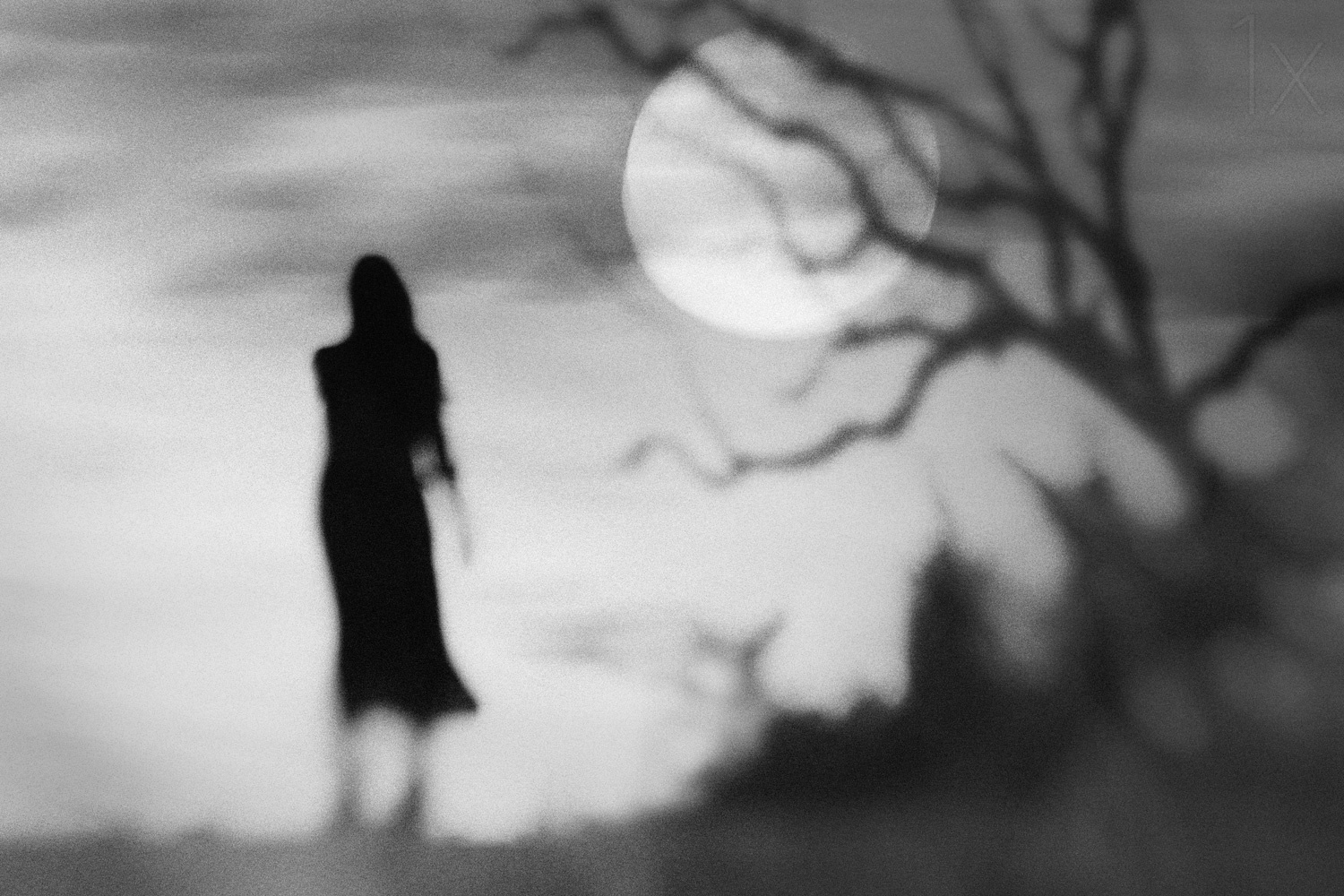
‘Lonely’
Who are your favorite photographers or mentors whose works have influenced you and your photography?
My favourite senior mentor and photographer, Hari Sulistiawan, introduced me to the 1x website. He is my idol and inspiration. Fitra Pranadjaja and Hendra S. Marcus are my guides and critics. Among international photographers, Ben Goossens ✝ is a particular favourite of mine; I am inspired by his surreal work and miss his presence.
Now, since we have almost reached the end of this interview, I would kindly ask you to share with us your plans or photographic projects you would like to be involved in.
My future project will involve visualising the life lessons I have learned and the meanings I have discovered through my own experiences. I intend to translate this inner journey into photographic works that are rich in symbols and metaphors. I want each image to be more than just something to look at; I want them to be spaces for reflection that offer a deeper understanding of life. I hope that each piece will carry a positive message, offering viewers a small light that touches the heart, opens new perspectives and invites them to feel, reflect and discover meaning in their own life journeys. To me, photography is not just about creating images; it's about sharing understanding and experience so that the lessons I have learned can also bring meaning and value to others' lives.
Is there anything else you wish to add and what do you think about 1X as a home base for your work?
Keep creating with your own character, uniqueness, and artistic approach, because I believe that happiness, beauty, and peace exist because of our differences. Every artist has a unique visual language and a personal way of interpreting life. I believe that the freedom to express these differences is what keeps art alive.
For me, 1X has become a space that allows me to freely express myself and explore my artistic vision.
Since joining in 2011, hundreds of my photographs have been rejected, far more than those that have been published. However, I have never considered rejection the end of my journey. After taking a six- year break to reflect on my creative path, I returned with a deeper understanding of myself and the messages I wish to convey through my work. My sincere gratitude goes to 1X.com for providing such a meaningful space where I can share, explore, and discover my own visual language. For me, being part of this community is not merely about publishing photographs, gaining recognition, or receiving appreciation. It is about having the opportunity to grow, reflect, and discover my artistic identity. Thank you for creating a platform where photography can transcend technical considerations and become a personal expression of emotion, thought, experience, and soul.
Best Regards,
Jay
“May peace and prosperity be upon us all. Shalom, Om Swastiastu, Namo Buddhaya, and Salam Kebajikan.”
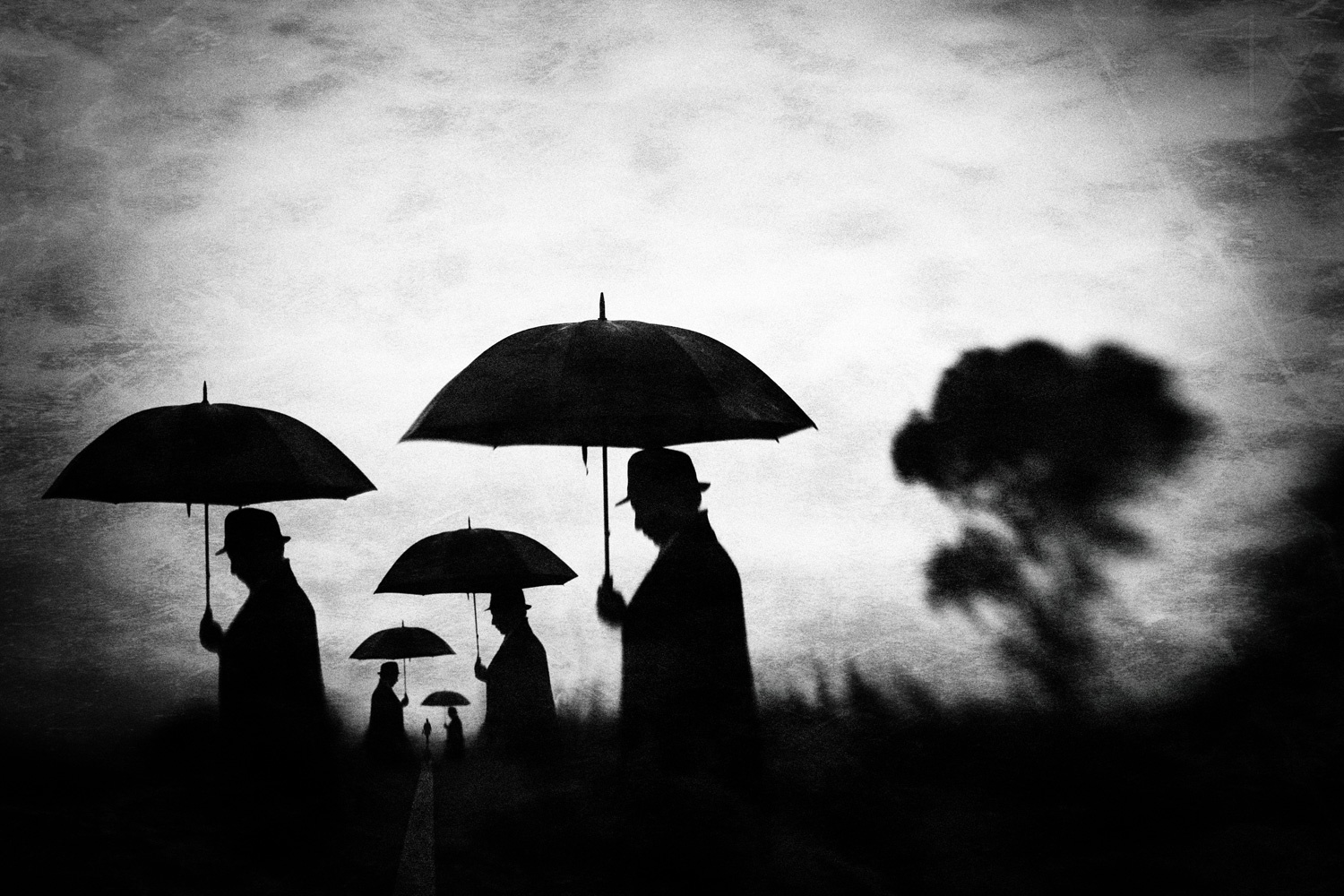
‘Darkened Days To Come’
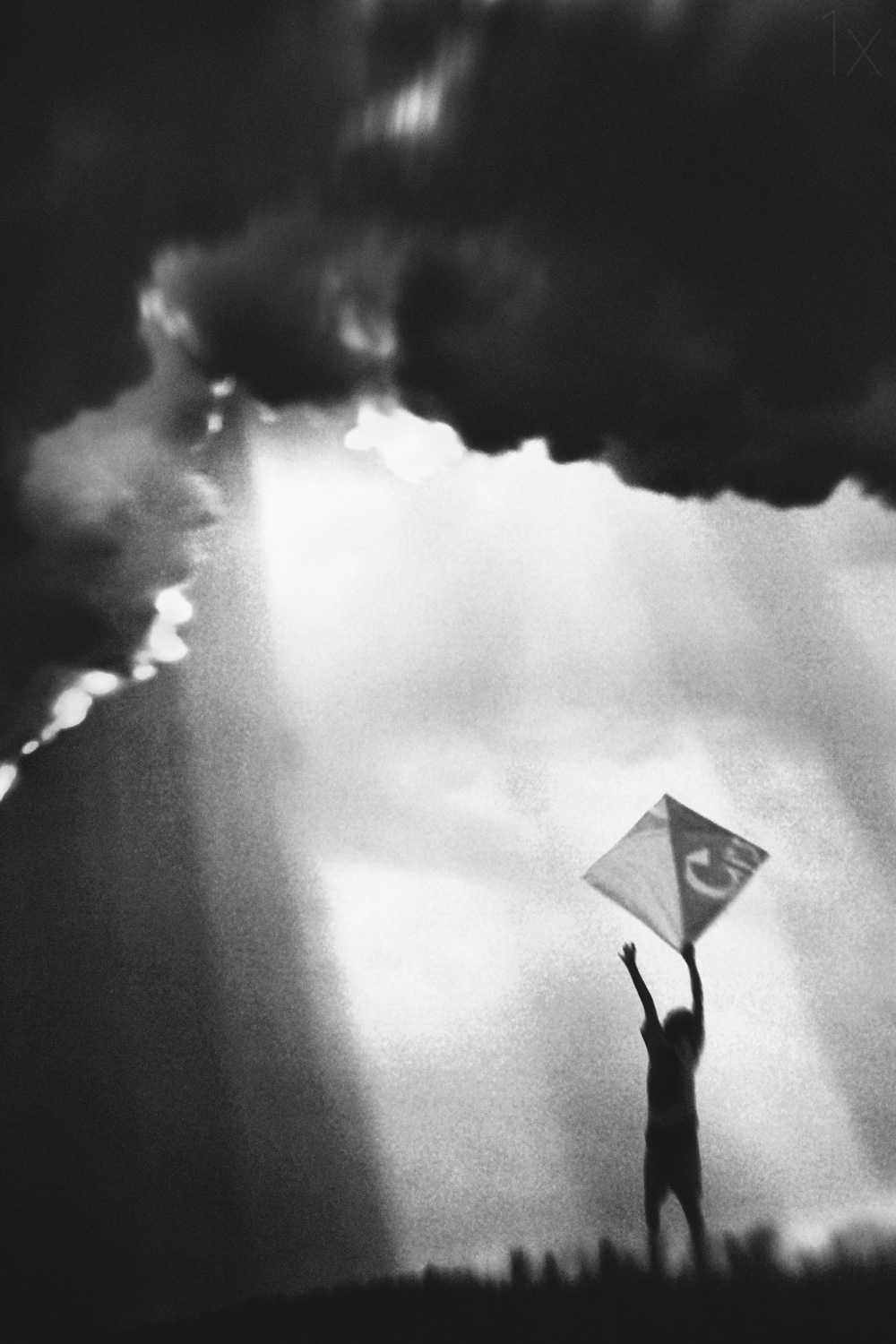
‘Dreams play a kite’
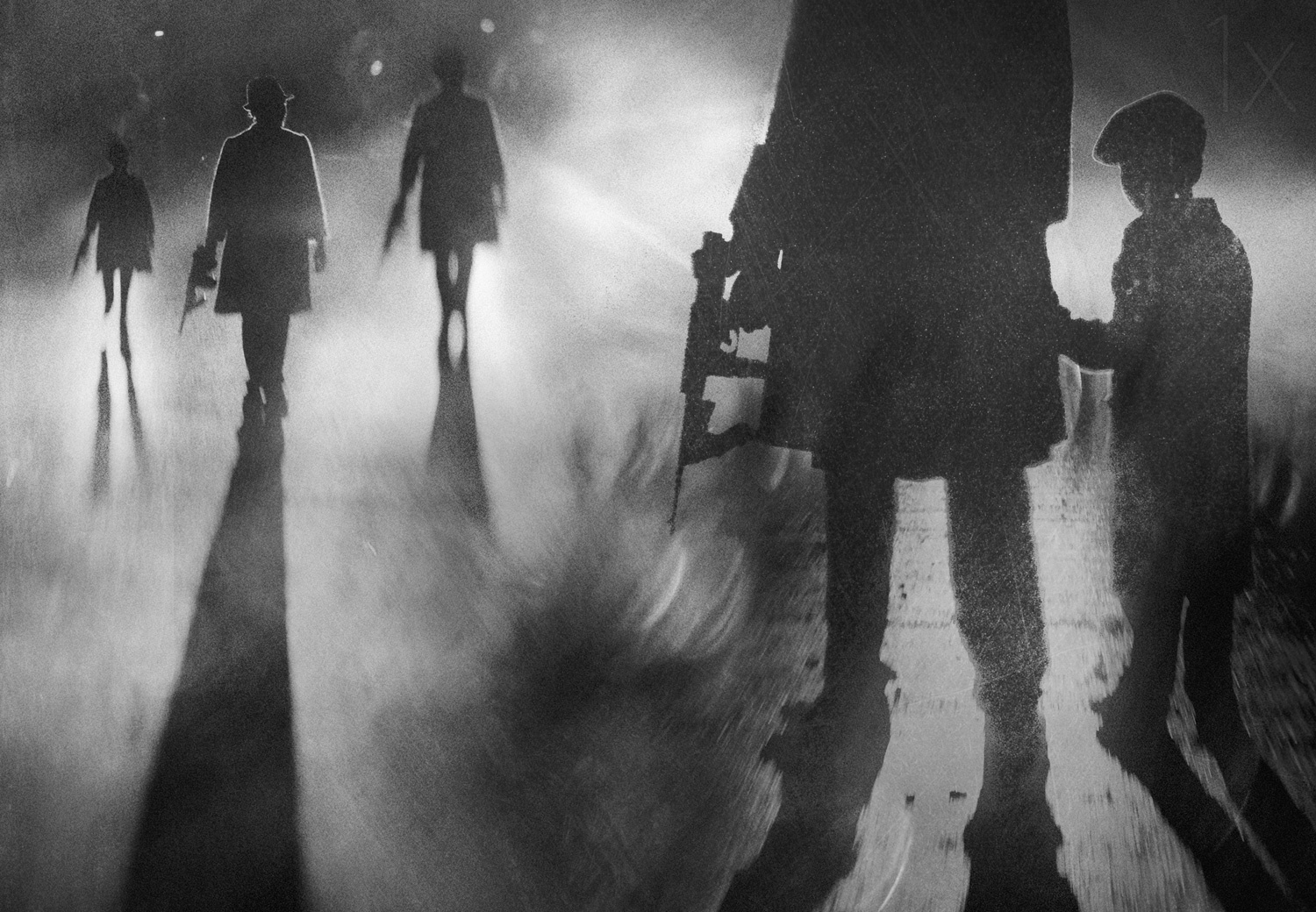
‘Nothing is sure but death’
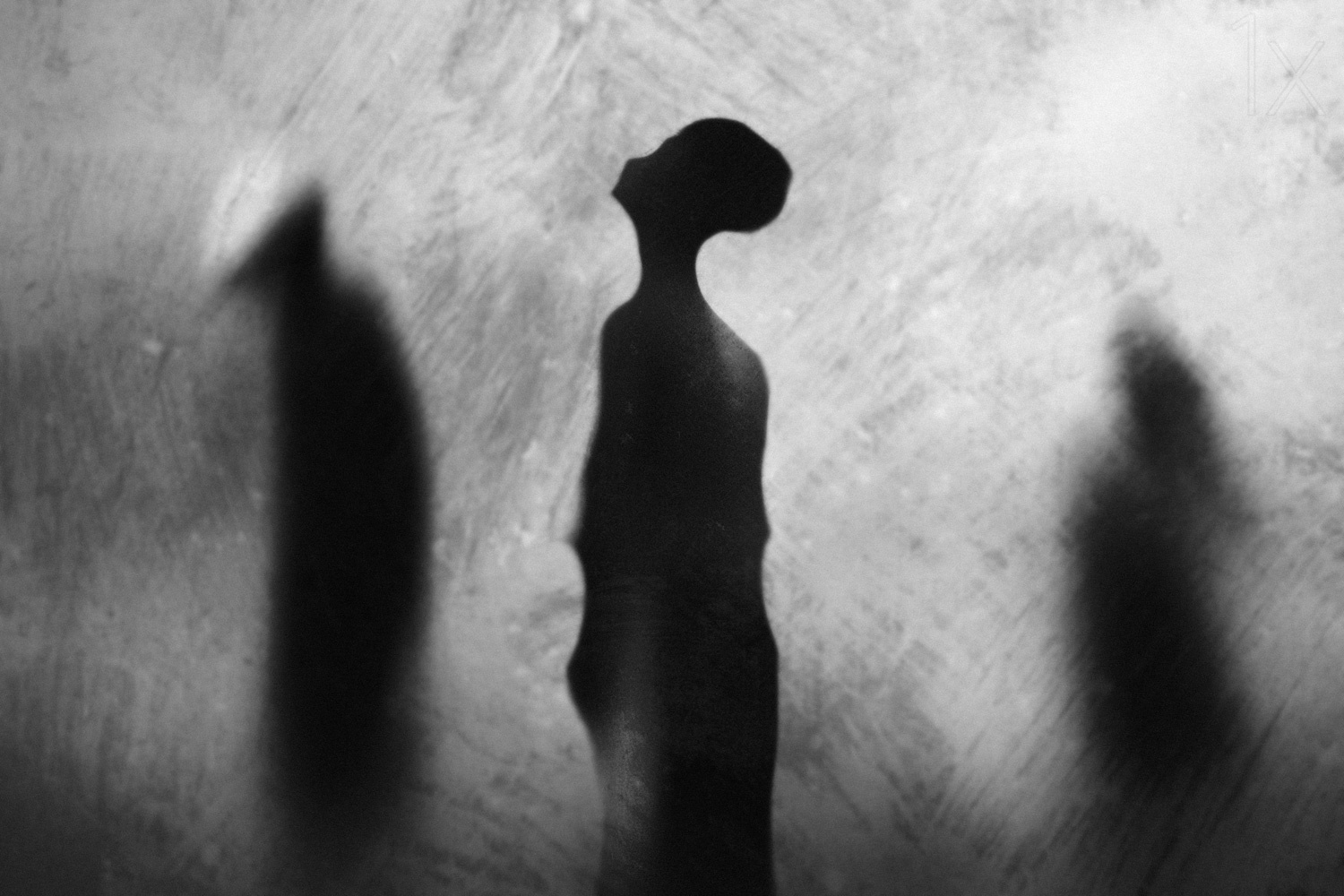
‘Two In One’
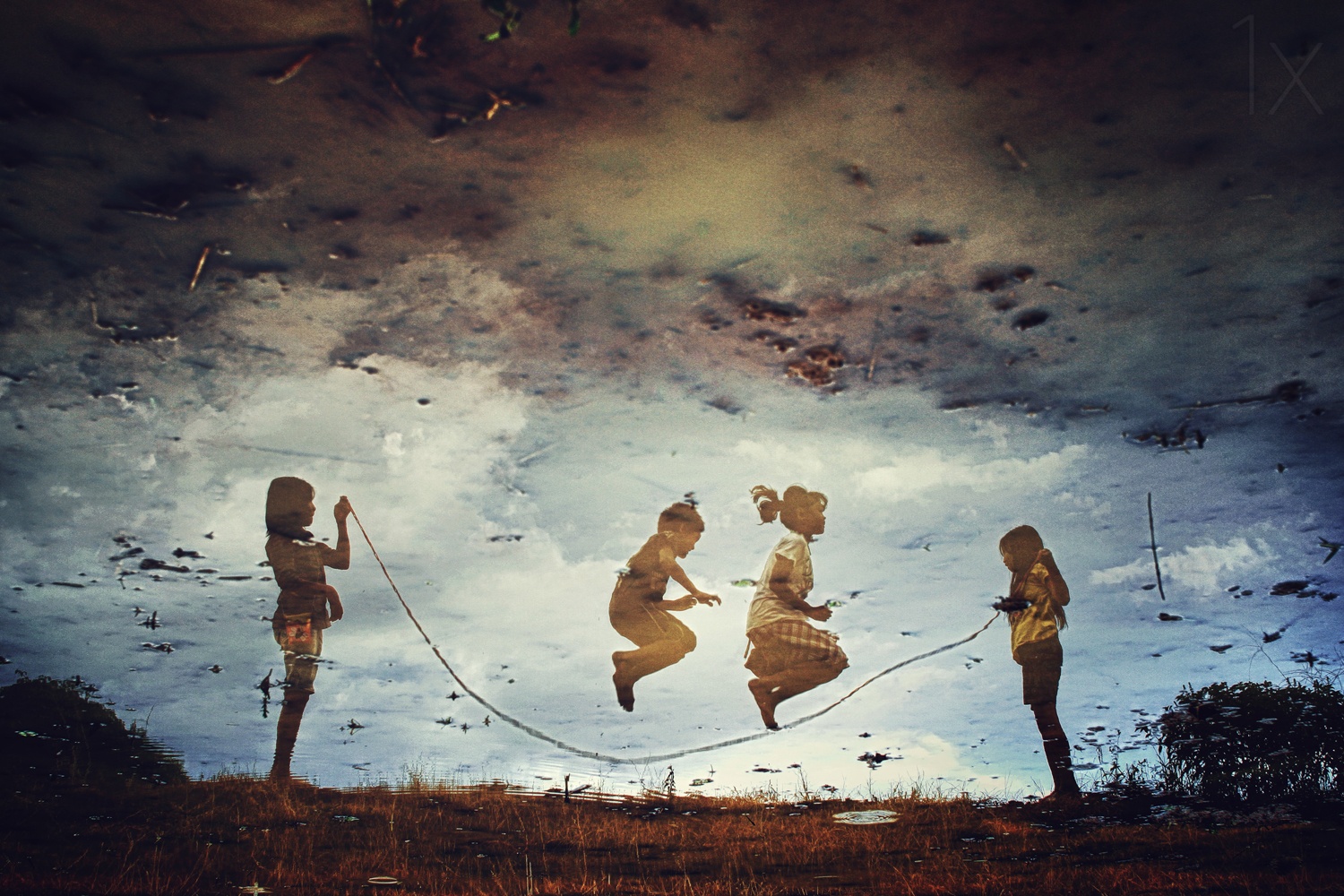
‘The game high jump’
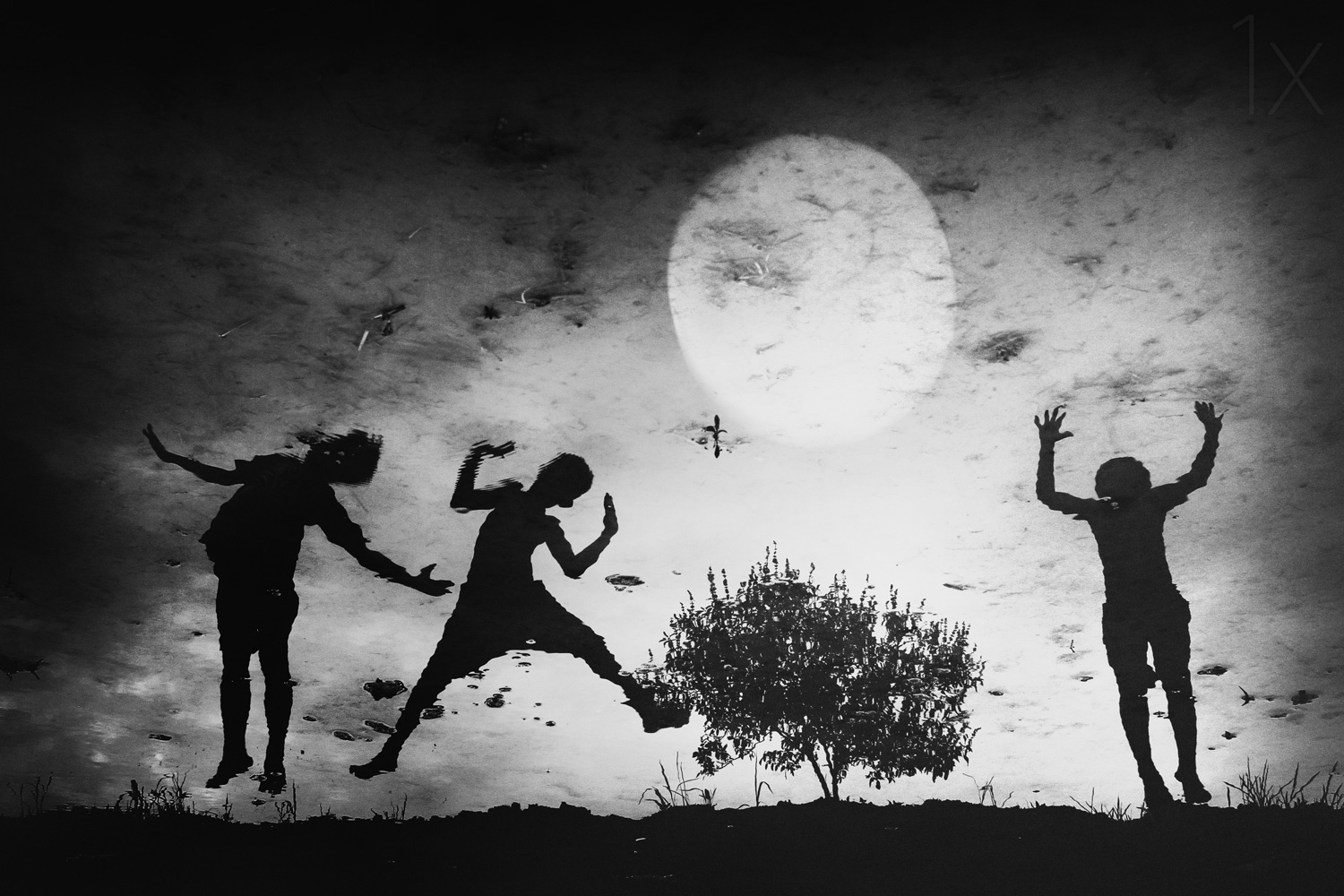
‘Jump’
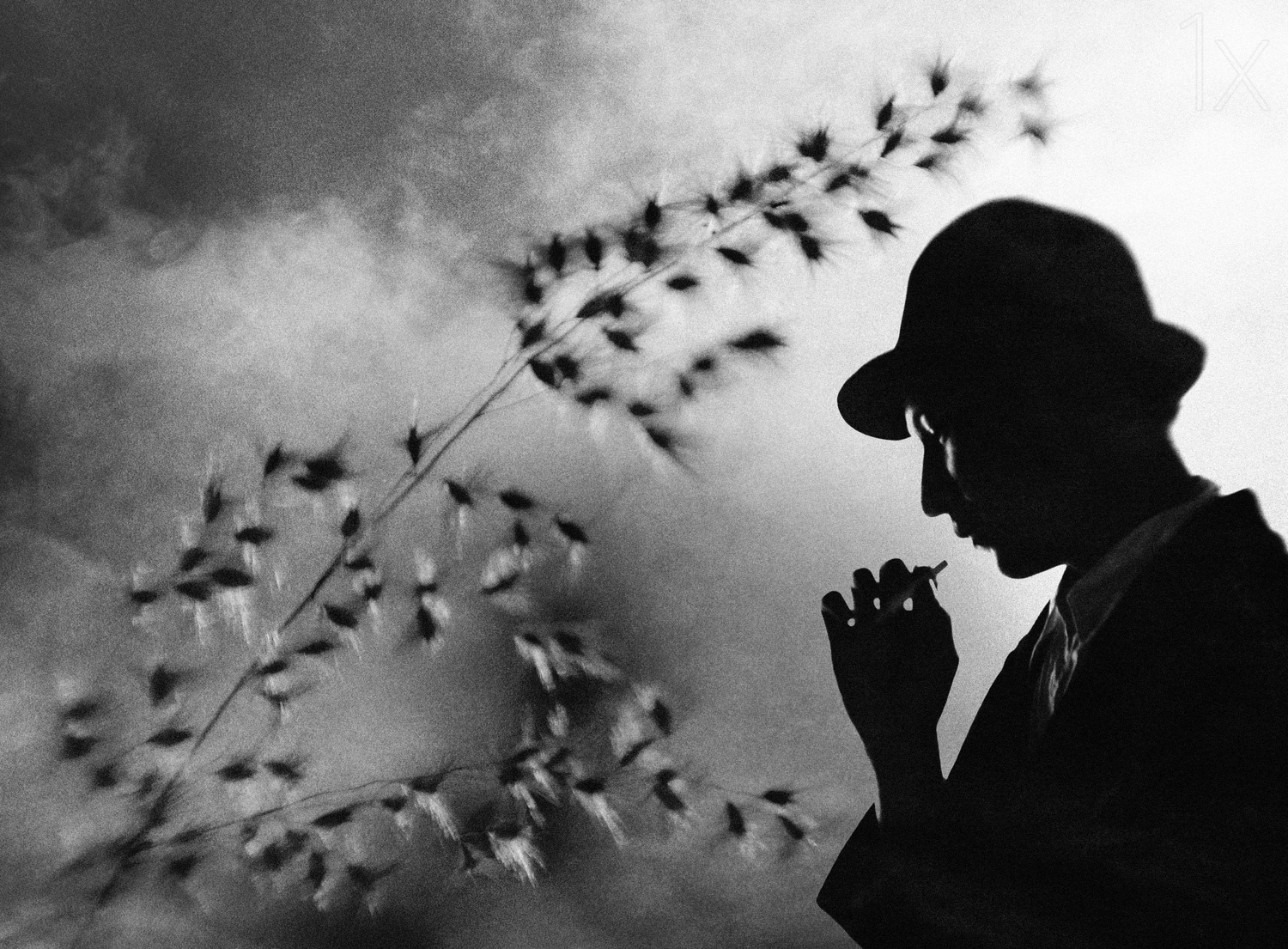
‘Alone’
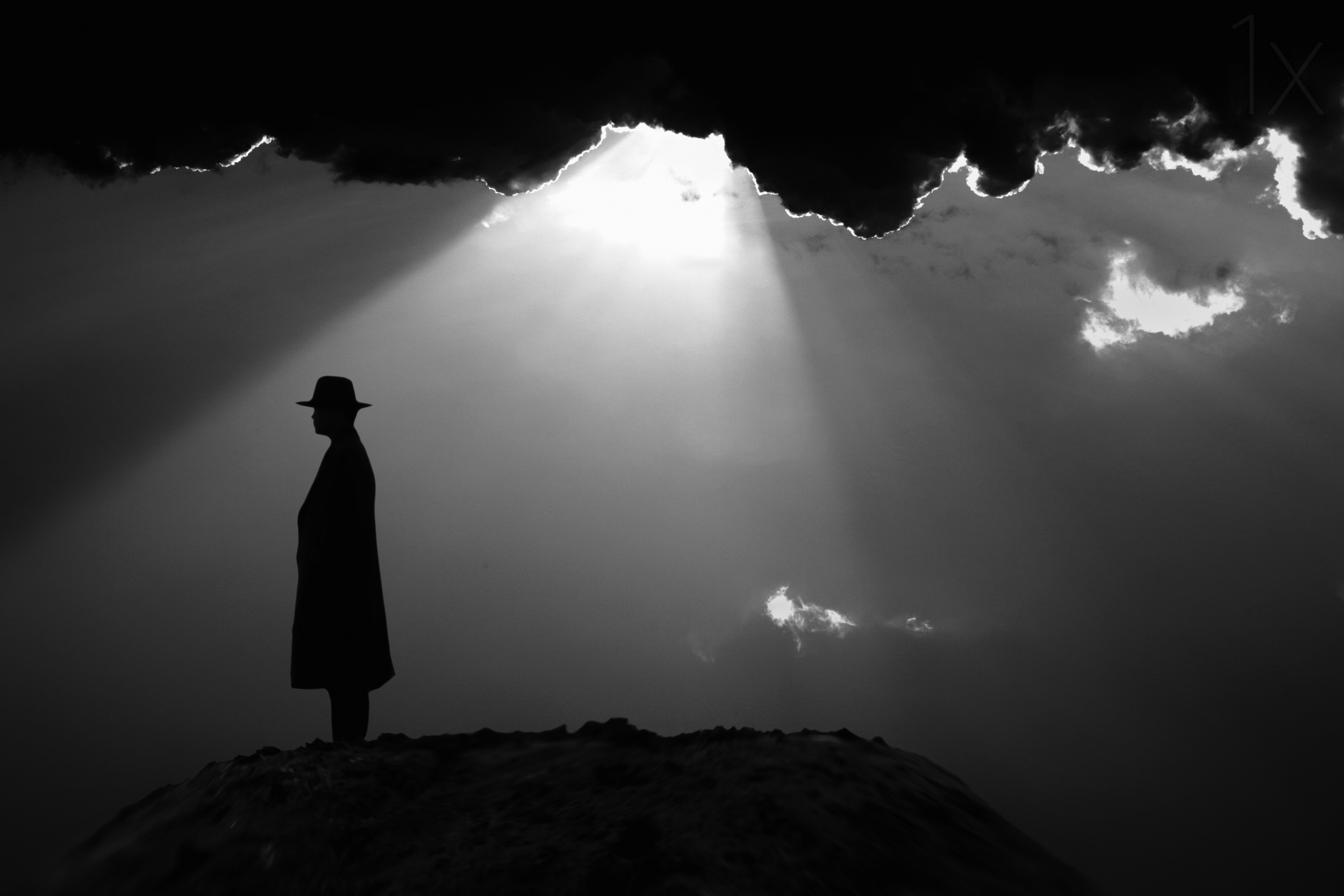
‘Light Life’
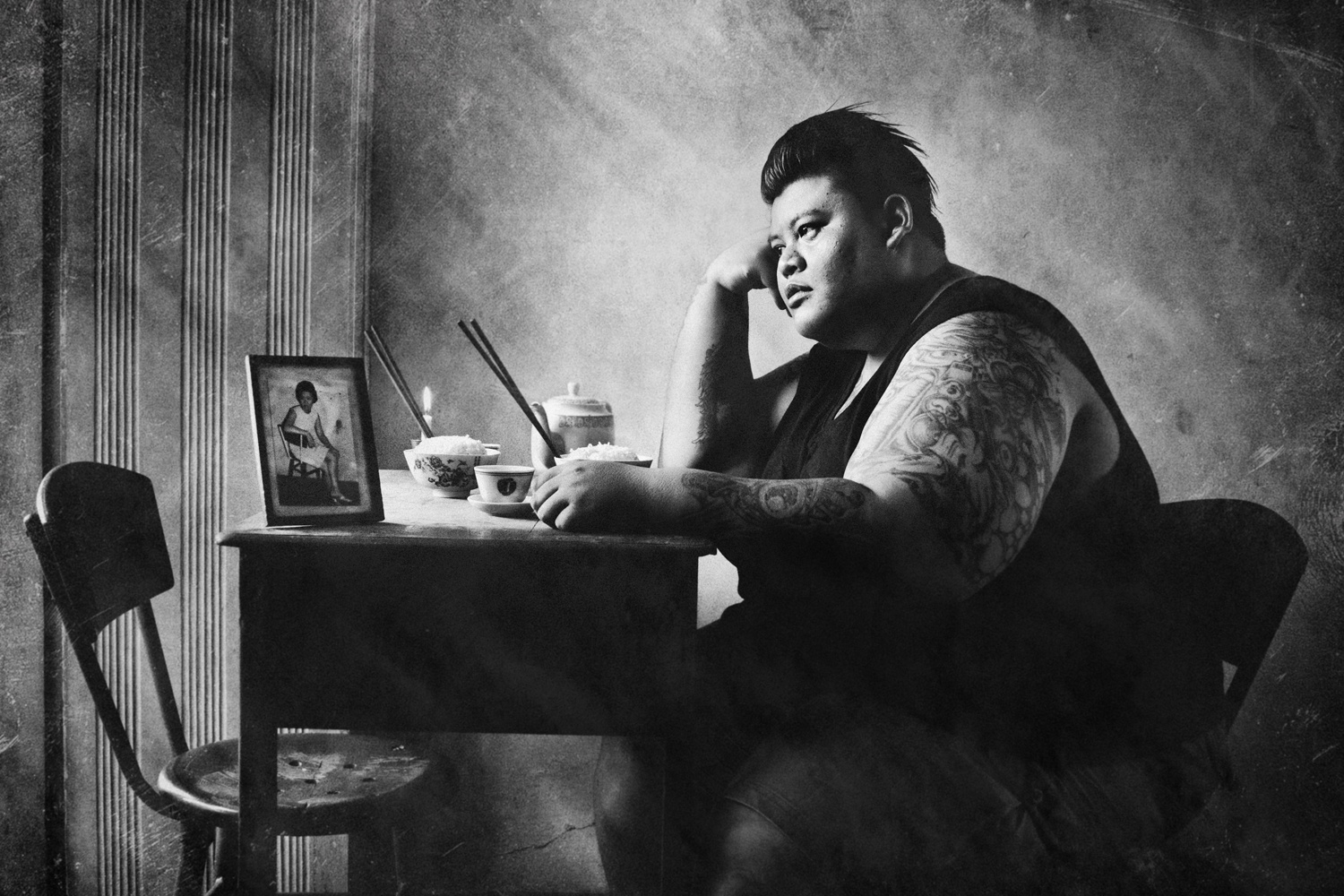
‘i miss you mom’
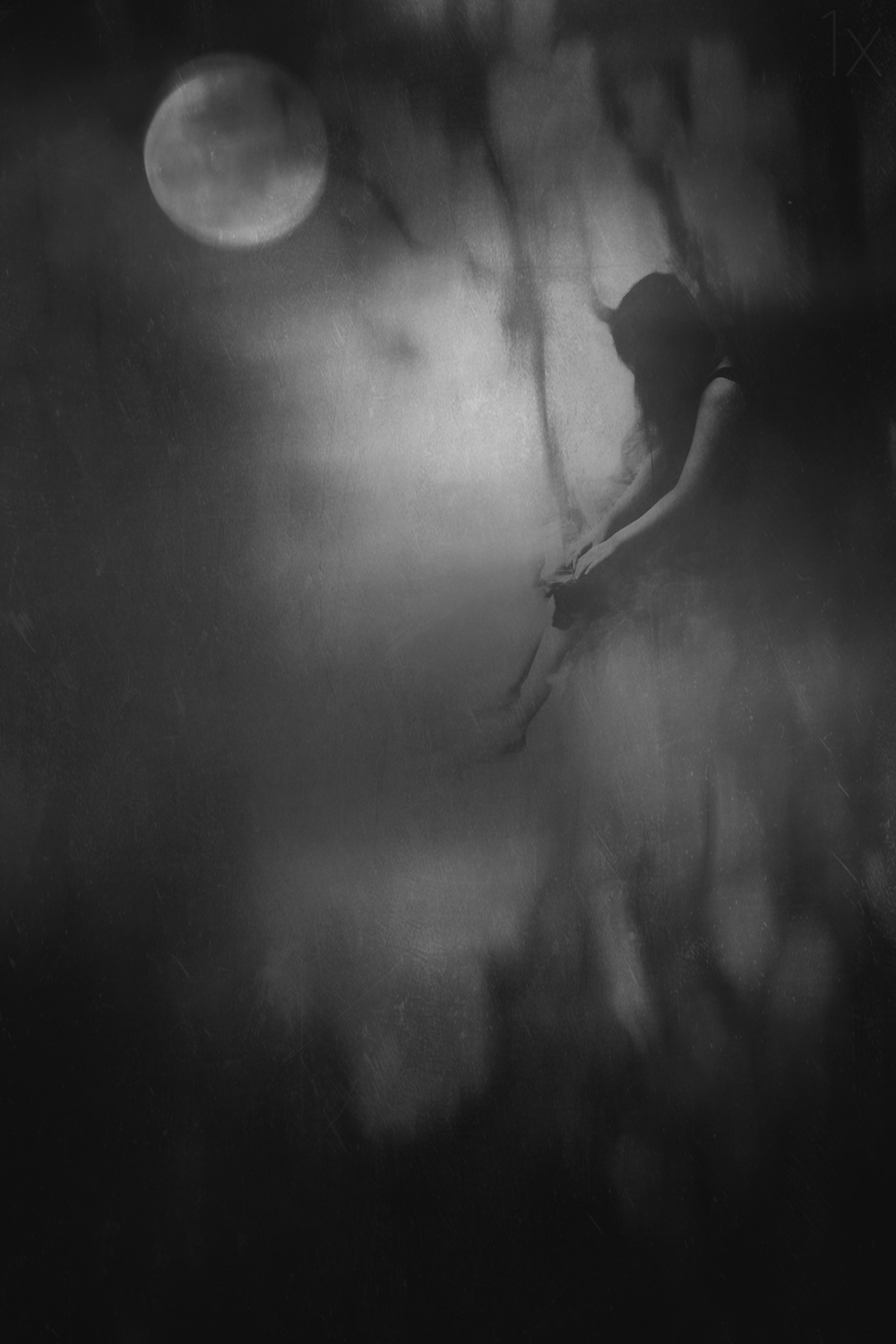
‘Silence’
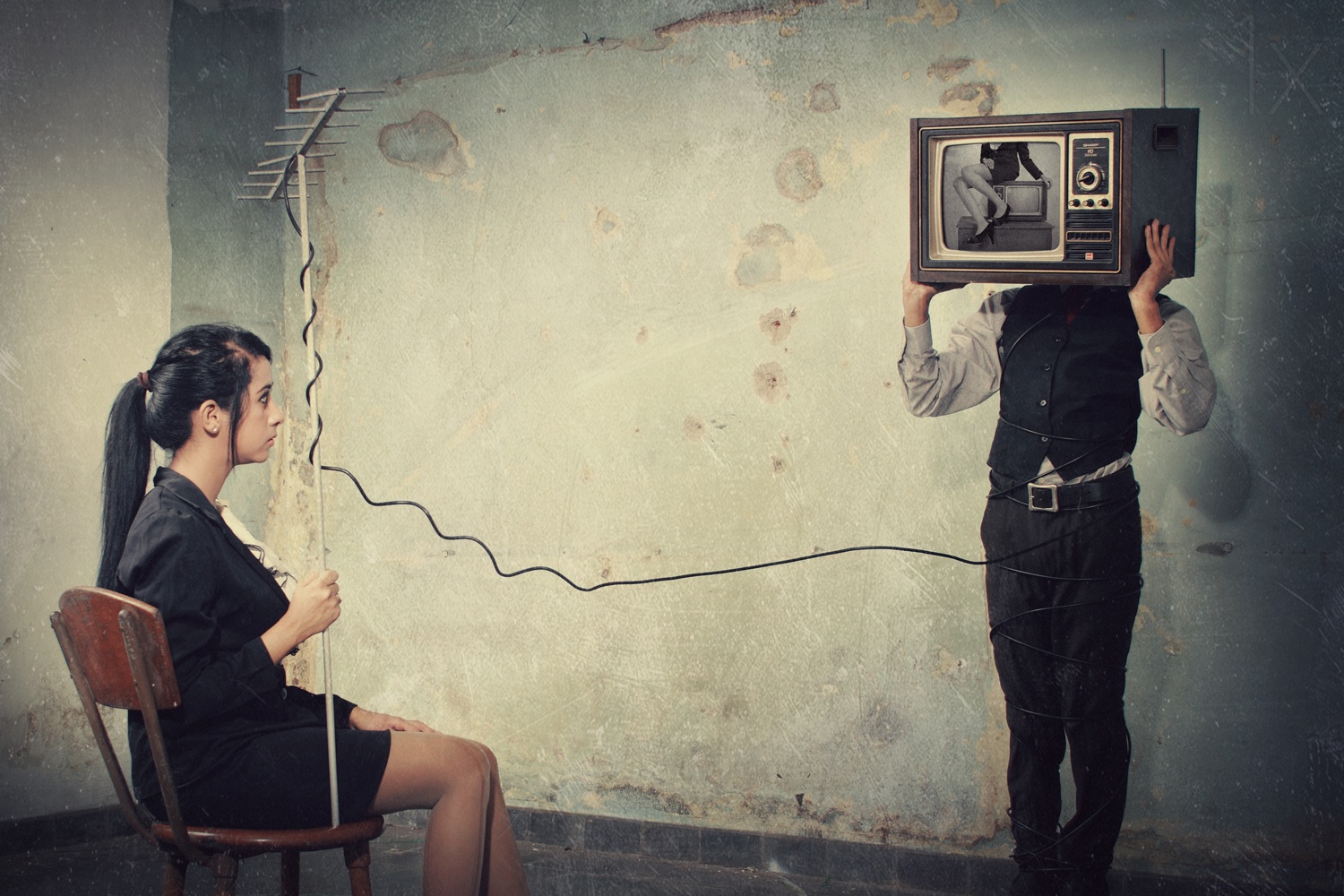
‘Ambition’
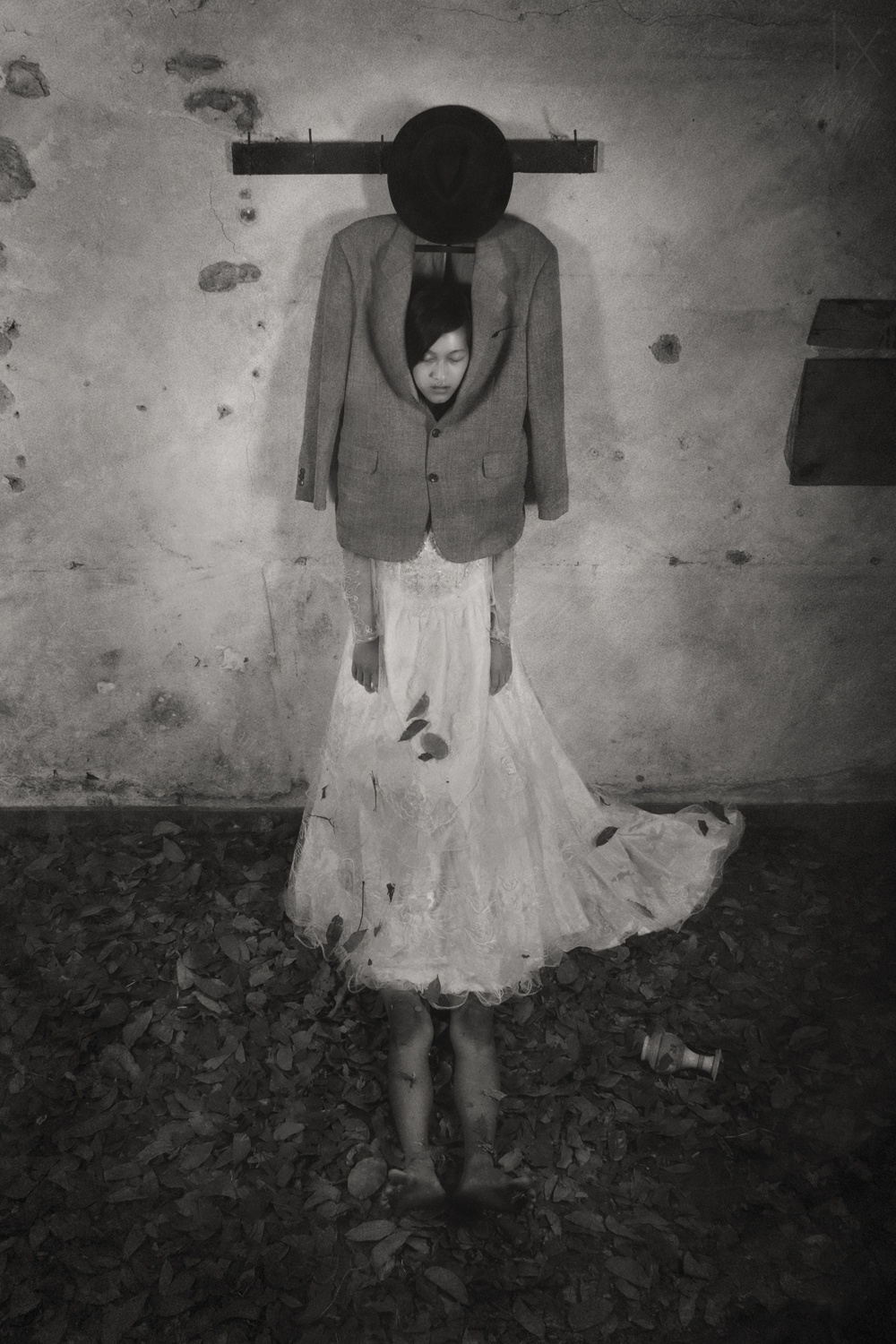
‘Half of my soul is her.’

‘Freedom’
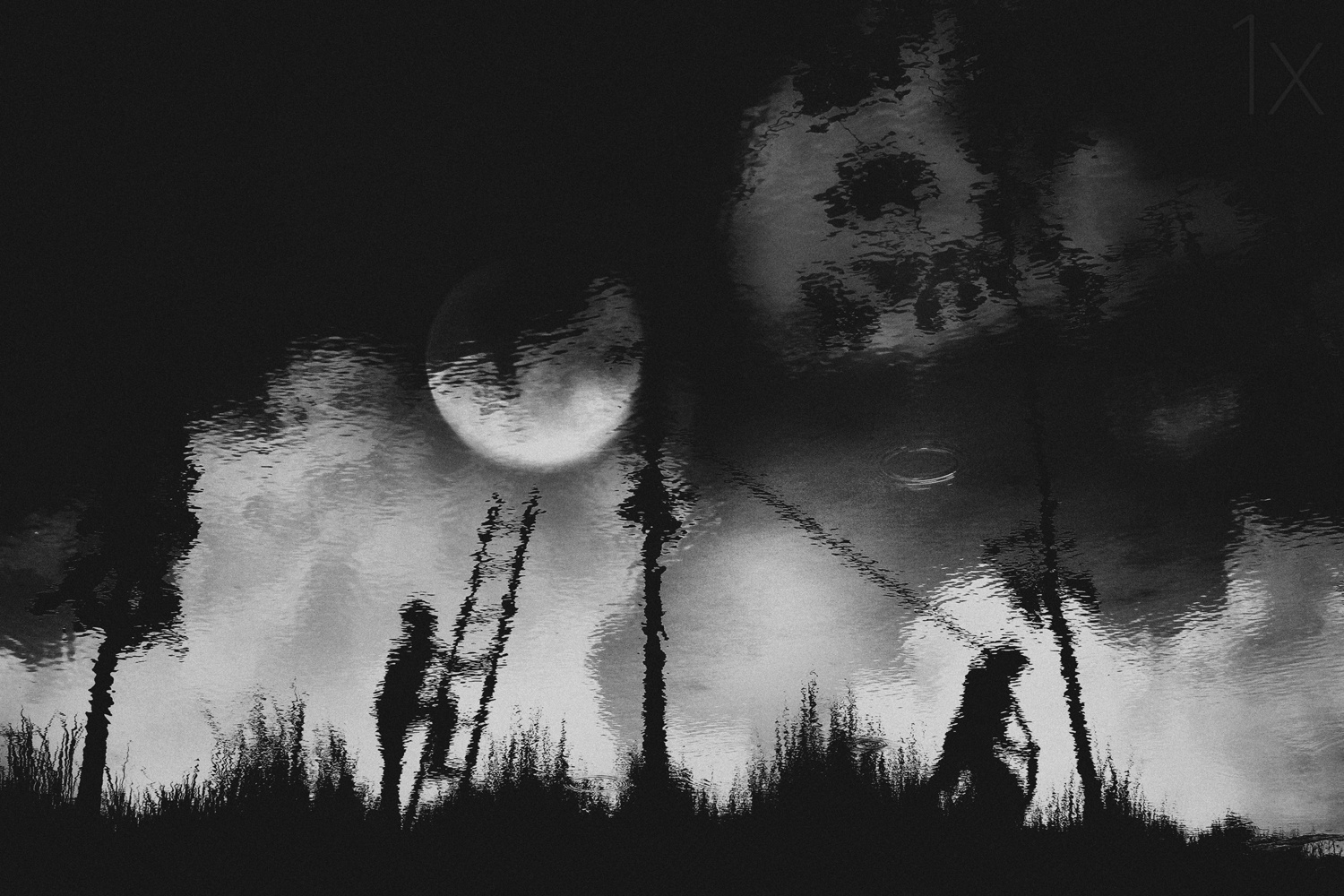
‘Dreamworld’
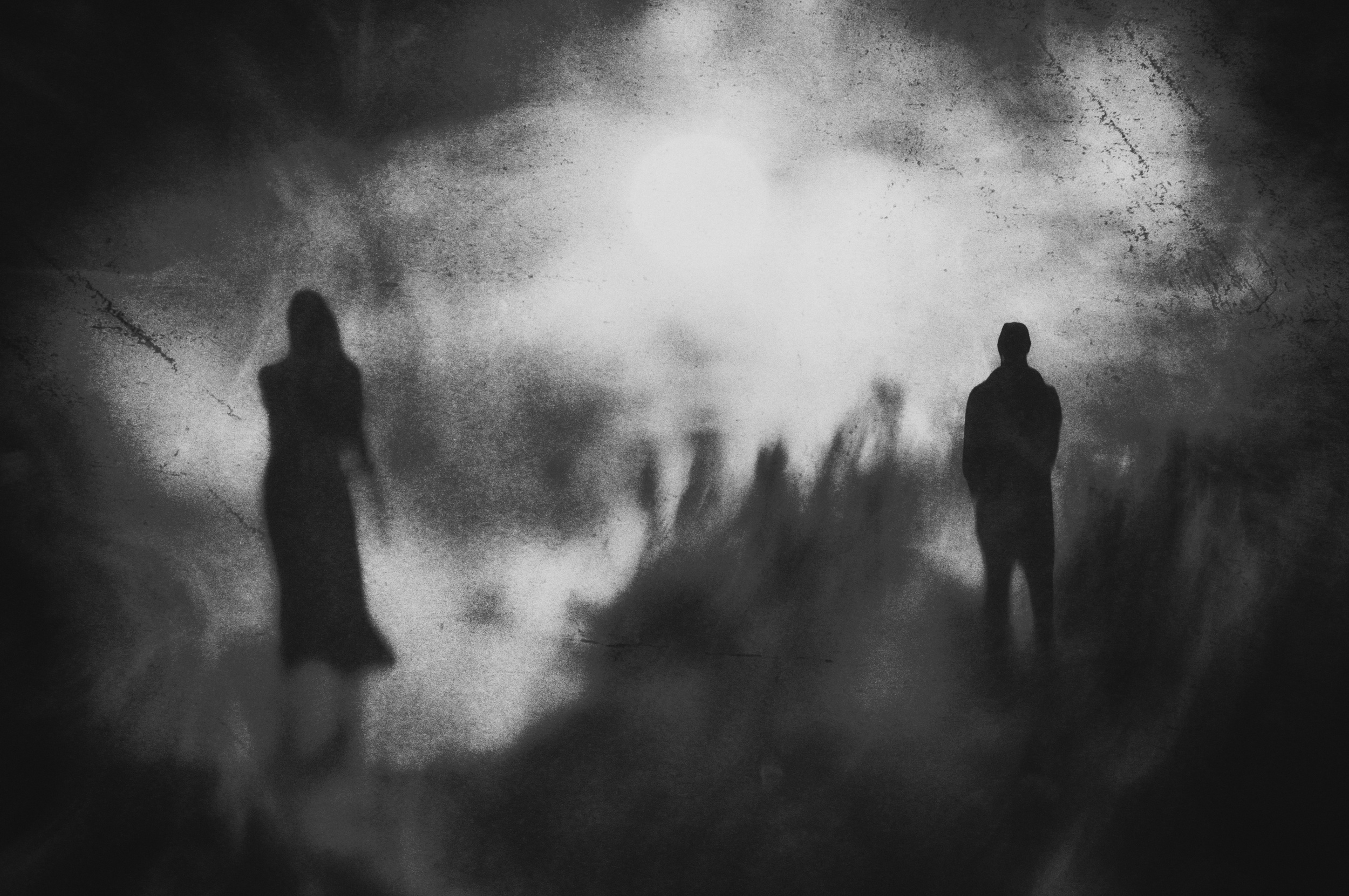
‘Two Souls, One Light’
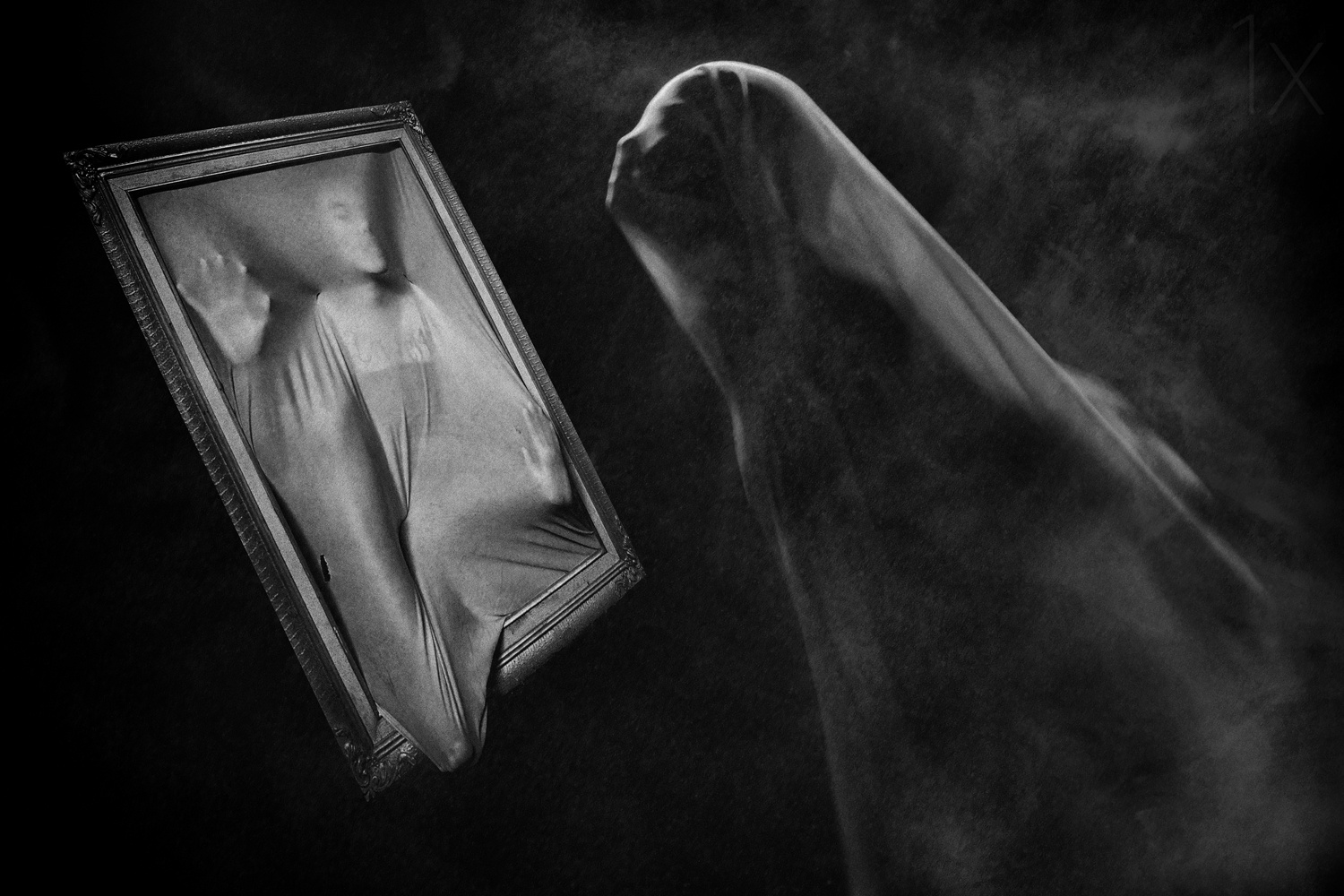
‘Of the soul are trapped’
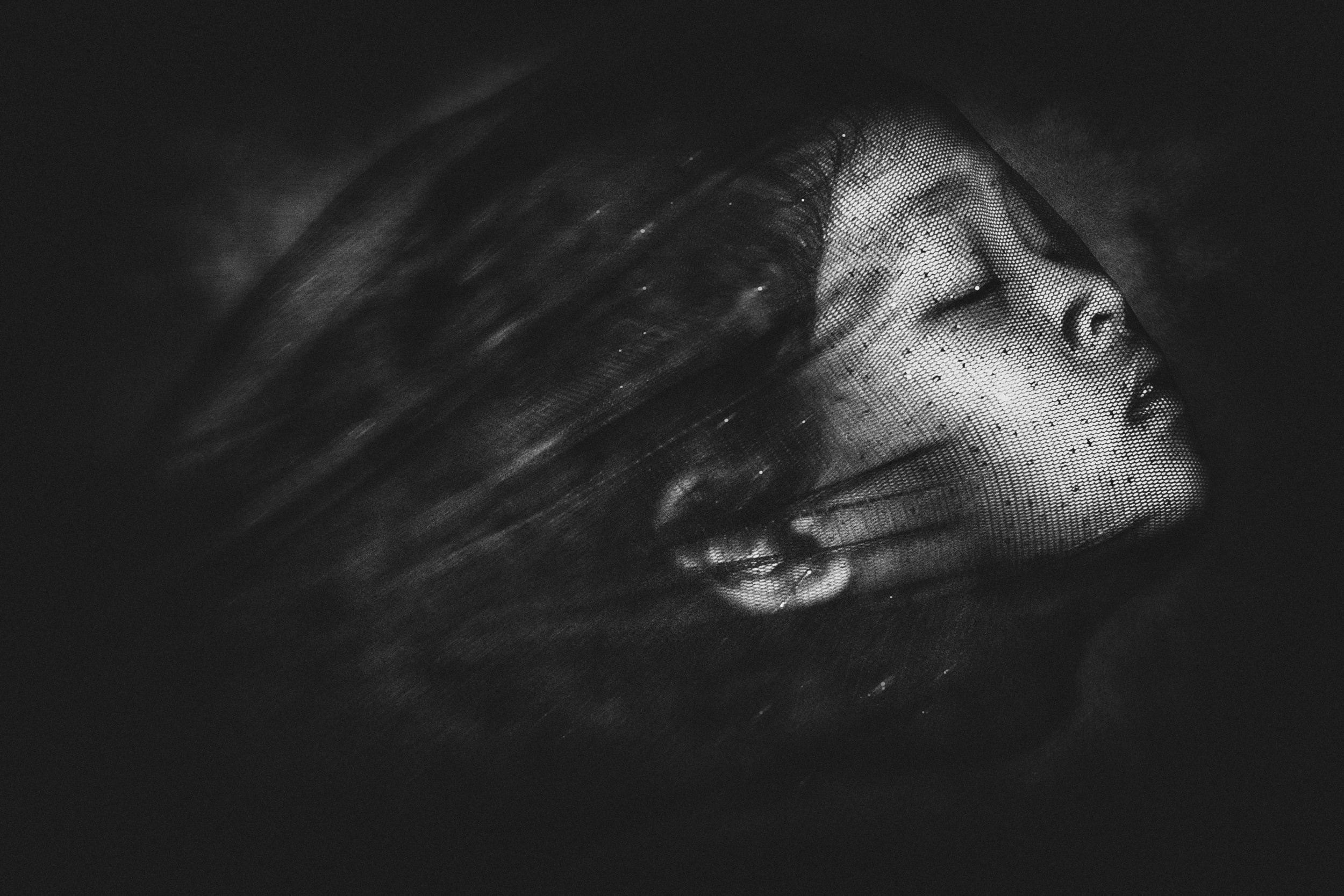
‘Behind the Veil of Life’
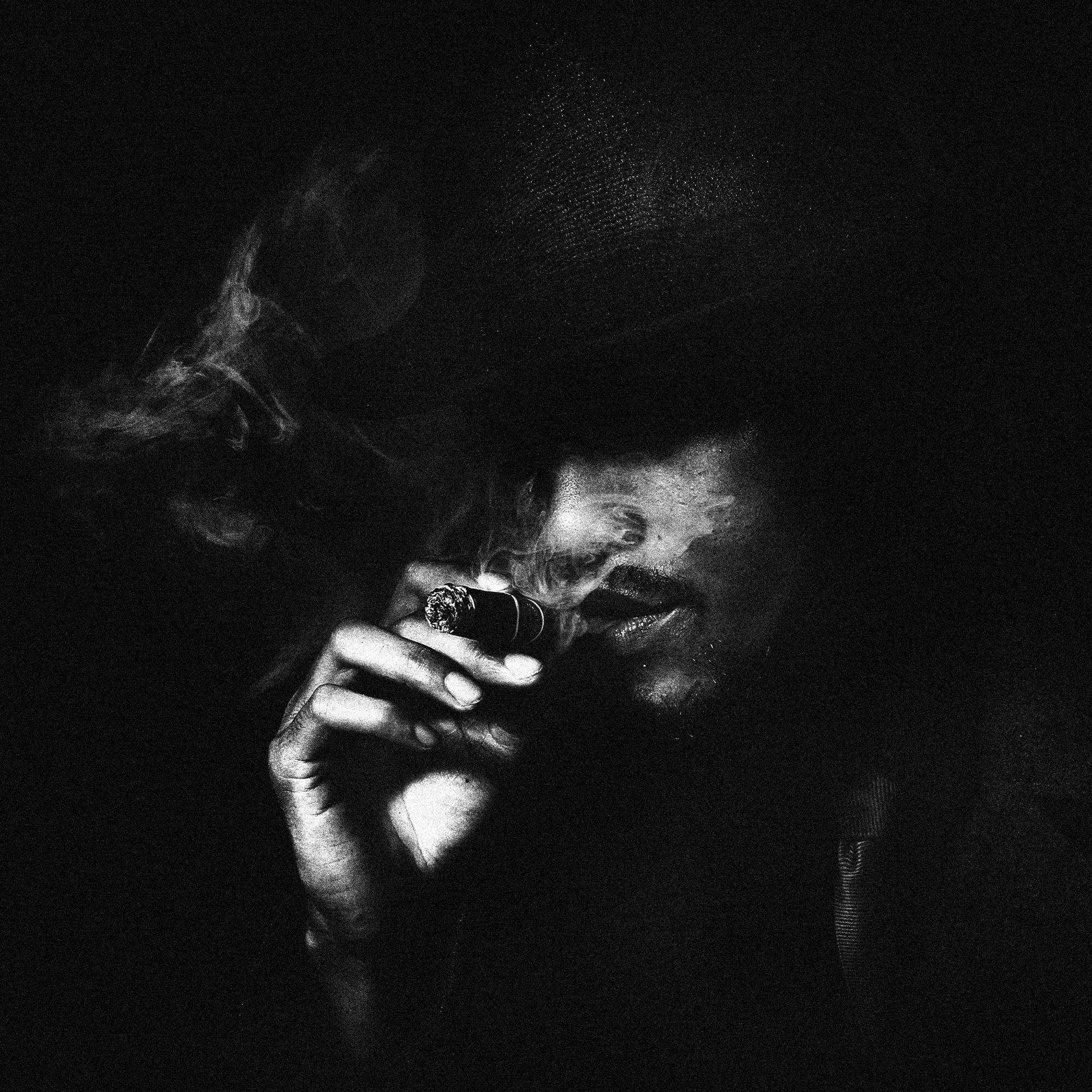
‘MR.….?
|
 | Angelika Vogel PRO Very impressive photos/scenes and discription and interpretation dear Jay! I love your works! Congratulations on this marvelous portfolio! |
| Jay Satriani PRO Thank you very much my friend Angelika.I am very happy with your kind appreciation..best regards Jay |
 | Arnon Orbach CREW Dear Jay, your mesmerizing images transcend photography, entering a world of dreams, symbolism, and profound emotion.
Your masterful use of light, atmosphere, and composition creates a hauntingly beautiful visual poetry.
Your remarkable artistic vision is deeply moving, wonderfully original, and truly unforgettable. Congratulations! and thanks to Yvette for this fantastic editorial work.. |
| Jay Satriani PRO Thank you so much , my friend Arnon, for your beautiful and heartfelt words. I feel honored that my works can convey feelings and meanings beyond the visual.Best Regards |
 | Ilan Amihai PRO thanks really great works |
| Jay Satriani PRO Thank you very much Ilan Amihai |
 | great interview with creative photos |
| Jay Satriani PRO Thank you very much Dear Caria |
 | Kathryn King PRO What a wonderful article about one of my favorite 1x artists. Thank you for a great magazine, Yvette, and Jay, your images are always profoundly moving to me, I think you should write a book. I also see now that your musicality is part of your artistic poetry. |
| Jay Satriani PRO Thank you so much, my dear friend Kathryn. Your words truly touch my heart. It is an honor to know that my work resonates so deeply with you. Music and photography are indeed two languages of the soul that complement each other in my artistic journey. Thank you for your sincere friendship and support. 🙏❤️ |
 | yein PRO So you've returned to 1x after a six-year hiatus
I was moved by the interview and the striking photos.
I look forward to communicating often through photos Congratulations. |
| Jay Satriani PRO Thank you so much, my friend. After six years of taking a break and reflecting, I have returned with a new perspective and deeper understanding. I also hope we can stay connected, share our feelings, and communicate through our photographic works. 🙏 |
 | Jay is back ! Nice work brader!! |
| Jay Satriani PRO Thank you so much, my friend. I also miss the works of our old friends. I hope we can reconnect and continue sharing inspiration through our art. 🙏 |
 | Cicek Kiral CREW An outstanding interview and impressive photos… thanks to all who brought it to us 👏👏👏 |
| Jay Satriani PRO Thank you so much, my friend Cicek Kiral . I truly appreciate your kind words and support. May our works continue to be a medium for sharing feelings and the meaning of life. |
| | Dear Jay, congratulations and thank you for sharing your amazing creative work! I am very impressed! Thank you so much to Yvette! |
| Jay Satriani PRO Thank you so much, my friend. I truly appreciate your kind words and sincere support. It is a pleasure to share feelings and creativity through my work. 🙏 |
 | Heike Rompf PRO A very moving interview—profound, metaphysical, and spiritual. A true artist who uses photography as a tool in his search for meaning and for his own identity. I take my hat off to his approach and his work. |
 | Makoto Inaba PRO Dear Jay! The interview is peppered with words that have taught me a great deal about your creative process and philosophy. Having reread this interview of yours many times, I am keenly aware that I, too, must continue to learn and work hard.
I would like to express my heartfelt thanks to Yvette for introducing Jay in this magazine. |
| Jay Satriani PRO Thank you so much, my dear friend, for your sincere and touching words. I believe we are all lifelong learners, continually growing through our experiences, creative processes, and life journeys. I, too, am still learning to understand myself and discover the deeper meaning behind each of my works.
I feel truly honored if my experiences and artistic philosophy can inspire you on your own creative journey. My heartfelt thanks also go to Yvette for this wonderful opportunity and for her trust in sharing my story in the magazine.
May we continue to grow together through art, inspiring one another and bringing light to each other’s journeys.
Warmest regards and friendship! jay |
 | Yvette Depaepe CREW I'm proud as Editor in chief to have your meaningful and inspiring interview in the 1x archives forever, mdf Jay ... It's a double pleasure to have you back in "town" here. I, and many others have missed you during your 6 years of absence. Cheers, Yvette |
 | Susi PRO Thank you for sharing your fantastic work and your perspective on photography, it’s all very inspiring. |
| Jay Satriani PRO Thank you very much my friend Susi, I really appreciate every positive sentence you give me good energy... warm regards |
 | Sokol Priftaj PRO I found this article super engaging and a joy to read! The photos are superb too |
| Jay Satriani PRO Thank you very much for your time, I hope you are always happy. |
 | Jane Lyons CREW Thanks for this interview, Jay. I appreciate your work and the personal vision behind it. There is something very compelling about seeing the world through your lens. I am so happy that you are back at 1x. |
| Jay Satriani PRO Thank you very much to my friend Jane for taking the time to watch this interview, hopefully it will provide a lot of positive value for me and the readers, may your days be happy and abundant |
by Yvette Depaepe
Published the 16th of October 2026
IMPORTANT MESSAGE FROM THE 1X MANAGEMENT
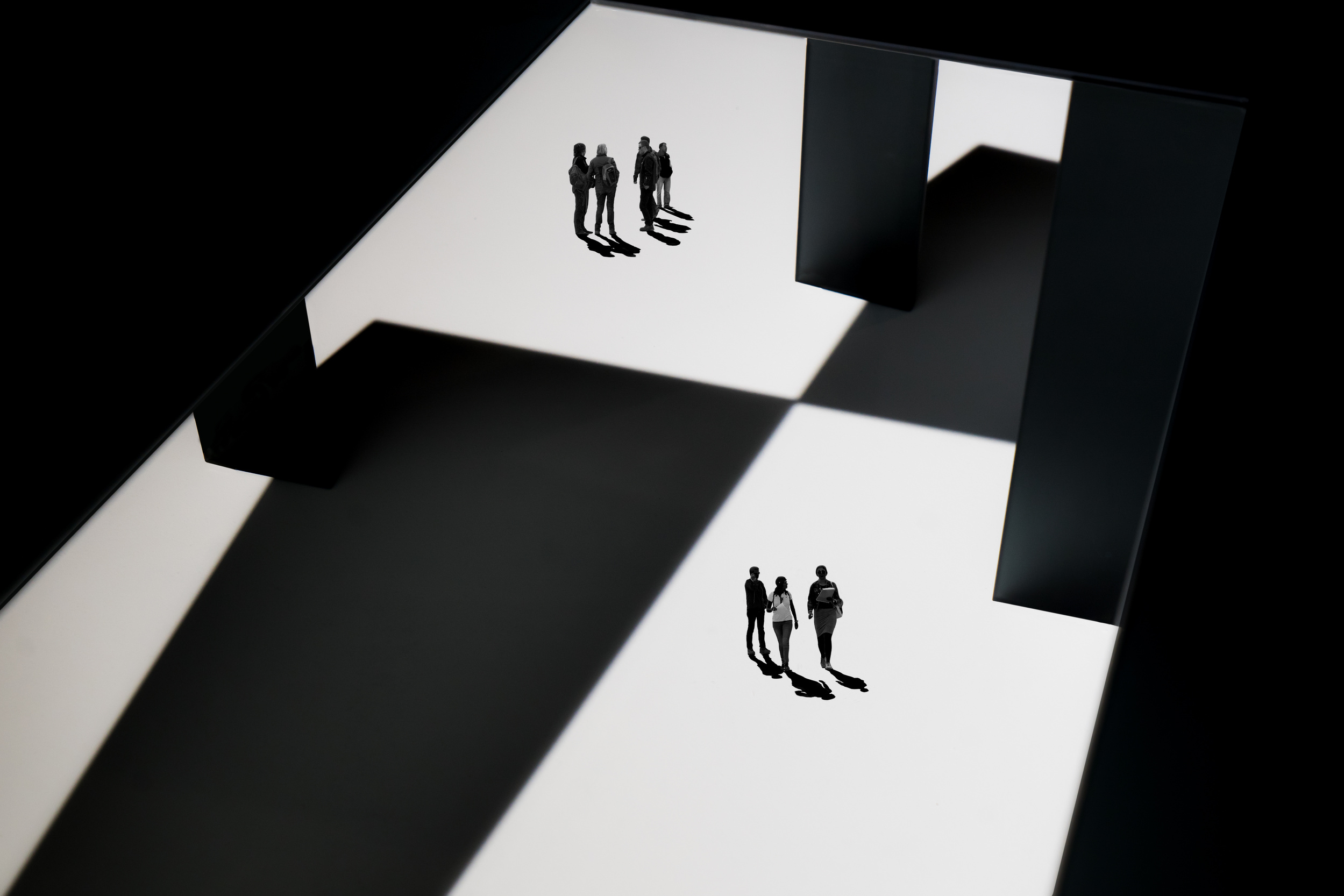
Photography must remain rooted in photography
At 1x, photography is more than the creation of an attractive image. It is the result of observation, imagination, patience, technical skill and, above all, a genuine photographic process. Every photograph represents a moment captured by its author, even when extensive artistic editing is used to transform the original image.
For this reason, 1x maintains a definitive and irrevocable position regarding fully AI-generated images and images created using generative AI software. The use of AI-generated content is not permitted in any part of an image, regardless of how small or insignificant that element may appear.
In any case, it is strictly forbidden to use programs such as Midjourney, Stable Diffusion, Chat GPT, Google Gemini or similar generative platforms, in which the photographic content is created artificially rather than captured by the photographer and will not be accepted on 1x.
This policy is not intended to reject technological progress or the creative possibilities of digital photography. It exists to protect the identity of 1x as a photography platform and to preserve the integrity, authenticity and credibility of the work presented in our galleries.
_______________________________________________________________________________________________________________
The distinction between photographic editing and generative AI
Digital photography has always evolved alongside technology. Modern editing software offers photographers remarkable opportunities to refine, enhance and reinterpret their own photographs. Such developments are not inherently incompatible with the principles of 1x.
Certain Photoshop features, for example, may be permitted when they are used to edit genuine photographs taken by the author. Replacing a sky with another sky photographed by the same author is one example. The essential requirement is that the resulting image remains based on authentic photographic material rather than on artificially generated content.
The distinction is fundamental: editing a photograph is not the same as generating its photographic content artificially.
________________________________________________________________________________________________________________
Compliance is not optional
Members are expected to cooperate honestly and transparently with any reasonable review. Attempts to circumvent the rules, misrepresent the origin of an image or disregard the platform's requirements may lead to consequences under 1x's moderation and account policies, up to and including account termination where warranted.
________________________________________________________________________________________________________________
Protecting the value of genuine photography
The rapid development of generative AI makes it increasingly easy to produce convincing images without ever taking a photograph. This raises important questions about authorship, authenticity and the meaning of photography itself.
At 1x, our answer remains clear. We value the photographer's vision, the decisions made behind the camera and the creative work involved in producing an authentic photograph. We welcome artistic interpretation and legitimate digital craftsmanship, but we will not blur the line between photographic creation and the artificial generation of images.
This is not a temporary restriction that members can expect to disappear through continued pressure or repeated disregard of the rules. It is a deliberate position intended to protect the character and standards of our community.
_______________________________________________________________________________________________________________
Our position remains unchanged: 1x is a platform for photography, not for images generated by artificial intelligence. This distinction remains central to our identity, and our position on prohibited AI-generated imagery is definitive and irrevocable.
By upholding this principle together, we protect the trust of our members, the integrity of our curation and the value of genuine photographic art.
|
 | The issue is whether a system has been built to identify photos processed with AI on 1x
In practice, if they immediately implemented a system to detect AI-generated photos, announce the violations, and expel the photographers, it would be effective, but simply issuing a warning in writing would have little impact
Even from what I can see, quite a few of the profile pictures posted on 1x appear to have been altered with AI, but since no action is being taken against them, these warnings seem largely ineffective
In conclusion, the most necessary and important thing for the 1x management team is to establish and immediately implement a system that automatically filters out photos created with AI assistance |
 | Ralf Stelander FOUNDER Actually several users have been completely deleted to get rid of AI images. So I encourage everyone to be honest and follow the rules if you want to keep your account in 1x. The rules are being enforced, don't worry about it. |
 | Miro Susta CREW Dear Yvette aftter reading your write up on this important AI subject, many thanks for writing and publishing it, and after reading the comments of concerned 1x members, I am happy that all of them agree with this write up.
Images created by AI shall never be considered for photographs, actually these, are pictures created by parts of stolen photographs.
I agree that many of such pictures may be declared as photographs, often it is difficult, sometimes impossible to recognise and prove the true.
I just hope that if not all then vaste majority of 1x community are true and honest photoghrers, proud on their photo achievements.
My message to all "try hard and be proud of every good and recognised photo, accepted, published or awarded. |
 | Michael Jurek PRO
I fully agree with 1x’s position. Photography must remain rooted in authentic photographic work, and the distinction between genuine photography and AI-generated imagery must be protected.
However, introducing rules alone is not enough. A rule only makes sense if compliance is actually monitored and enforced.
If 1x wants to maintain the credibility and value of its awarded status, verification should be mandatory for every image receiving an award. Otherwise, images containing prohibited AI-generated elements may continue to be rewarded, while photographers who respect the rules are placed at an unfair disadvantage.
This is not about rejecting technological progress. It is about consistency, fairness and the integrity of photographic competitions and curation. If a platform establishes clear standards, it must also take responsibility for ensuring that those standards are upheld.
Without effective and mandatory checks, the rules risk becoming little more than a declaration of intent. And if compliance is not verified, what credibility does an award ultimately have?
I therefore strongly support 1x’s position — but I also believe that mandatory verification of awarded images is essential to make that position meaningful in practice. |
 | Gary L Holman PRO Yes, I agree Michael and think this is definitely needed. |
| Ralf Stelander FOUNDER The rules are enforced and suspected images are investigated. Several user accounts have already been entire deleted, so it's a very bad idea to upload images with AI elements or entirely AI generated. |
| | Absolutely agree with these rules. Thank you very much, Yvette. |
 | Jean-Luc BILLET PRO I completely agree with this clarification. Even when engaging in creative editing, an author must use only files resulting from their own photography. Image-editing tools are useful and powerful, but the content they generate belongs to a field that has nothing to do with photography.
Thank you for this clarification. |
 | Roh Su PRO What about generative remove option in photoshop? Is that AI or photo editing? |
 | Bing Li PRO Absolutely agree and support . |
 | rob Kane PRO Bravo. |
 | Nichole Chen PRO I fully support and sincerely appreciate the 1x leadership team's firm commitment and clear stance on this issue. I believe creativity should be encouraged, but it must remain rooted in authentic photography. Protecting this distinction is essential to preserving the integrity and value of photographic art. |
 | I agree, it’s a much-needed move |
 | Cristiano Giani PRO ...right !... i 100% agree... |
| | Angelika Vogel PRO Your text is very reassuring, and I completely agree with what you’ve written dear Yvette! It’s easy to harbor concerns about what is possible with AI and how things might continue to develop.Thank you very much Yvette! |
 | Ed Baak PRO I 100% agree and applaud 1x on taking a firm stance and protecting photography as art. |
 | I completely agree with you! Thank you for reminding us of this rule, and good luck spotting the cheats, because sometimes it really isn’t easy to tell the difference between an AI-generated image and a ‘real’ photo, given that the line between the two is becoming increasingly blurred... |
| | Cicek Kiral CREW This is how we feel, too...We seek to tire while enhancing our images...There is little happiness in easy. Thank you 1x |
 | Ibrahim Nabeel PRO I completely agree with you ! thank you 1x |
| | yein PRO I completely agree with 1x's opinion!! |
 | Adrian Donoghue PRO I fully support these policies! |
 | Wayne Pearson PRO Excellent, never compromise your principals and photographic integrity. That is why 1x is still in my mind the best photographic website on the planet! |
 | Giovanni Cavalli PRO Well done, well done, well done! Long live photography! |
 | Thank you, Yvette. It's good that you clarified this again. AI-generated images whose source format isn't camera-generated don't belong in 1X. After all, the aesthetic of “real” photography is what makes a curated gallery of such high caliber as 1X so appealing. |
| | It's good that you clarified this again. AI-generated images whose source format isn't camera-generated don't belong in 1X. After all, the aesthetic of “real” photography is what makes a curated gallery of such high caliber as 1X so appealing.
|
 | Thank you Yvette and all 1x team for your clear position! My full support.
|
 | Gilles Benso PRO Merci, c'est rassurant d'être sur site ou l'on peut s'émerveiller devant une photo sans arrière pensée. |
 | Thank you Yvette. All power to 1x. Com. Long live 1x |
 | Mel Brackstone PRO Thanks, I really do appreciate the effort you're making to keep AI out of this site. It's getting harder and harder to pick, but it's good that photographers are given the chance to show their talents, rather than using programs that have stolen copyright work to get their results.
|
| | Gary L Holman PRO Thank you! Yvette. I absolutely agree with this decision 100%. This is what makes 1X such a highly skilled and unique photography platform. |
 | Onno Vellekoop PRO Thank you for this clear explanation. I fully support the decision, ensuring that the true artist receives the recognition he or she rightfully deserves. |
 | joanaduenas PRO Thank you very much for the clarification; I fully agree with 1x’s position creativity in any artistic field should be a priority, because every work, photograph, etc., is unique. |
 | I completely agree with that. But I see lot of things here on 1x.com that aren`t photograps, they`re just pictures. Cut and paste is often used. Perhaps the camera not has been used at all. One can see with the naked eye that this is not a photograp. In that case the photographer cannot sign it as their own work |
 | DonnaHom APA PRO A very nice policy to remain the photographic artistic platform. The AI can be another area of the art creation but not the photographic artistic platform |
 | Eiji Yamamoto PRO Dear Yvette, thank you so much for that announcement! We must agree to those rules. |
 | Agreed!
|
| | Luca Tedone PRO Absolutely agree. AI is a tool that can and should support us in many areas of everyday life.
When it comes to photography, though, I strongly believe that the growing amount of AI-generated content will actually increase the value of real photography. In the future, images that capture something real, something that truly happened in front of a camera, may become more valuable than they are today. |
 | I absolutely agree with these well-known rules. Thank you for emphasizing them so strongly once again. |
 | Udrea Dan PRO Thank you for this decision. Congratulations. I am in complete agreement. |
 | Toon Maartense PRO Dank je Yvette, ik had je eerdere reactie al gelezen, maar dit is nog duidelijker. |
 | Karin Kilb PRO I completely agree with that, thank you. |
 | May PRO Thank you for establishing such clear guidelines. I completely agree . |
 | Absolutely agree with these rules. It is necessary to repeat the principles from time to time, |
| | Jay Satriani PRO I really appreciate these rules and policies and fully support them. |
 | Massimo Strumia PRO I completely agree with you! |
 | Creo que está bien en un 100%, enhorabuena 1x |
 | I fully subscribe to your point of view. |
 | Ramiz Sahin PRO Words of congratulation for one's decision. |
by Yvette Depaepe
Published the 14th of October 2026
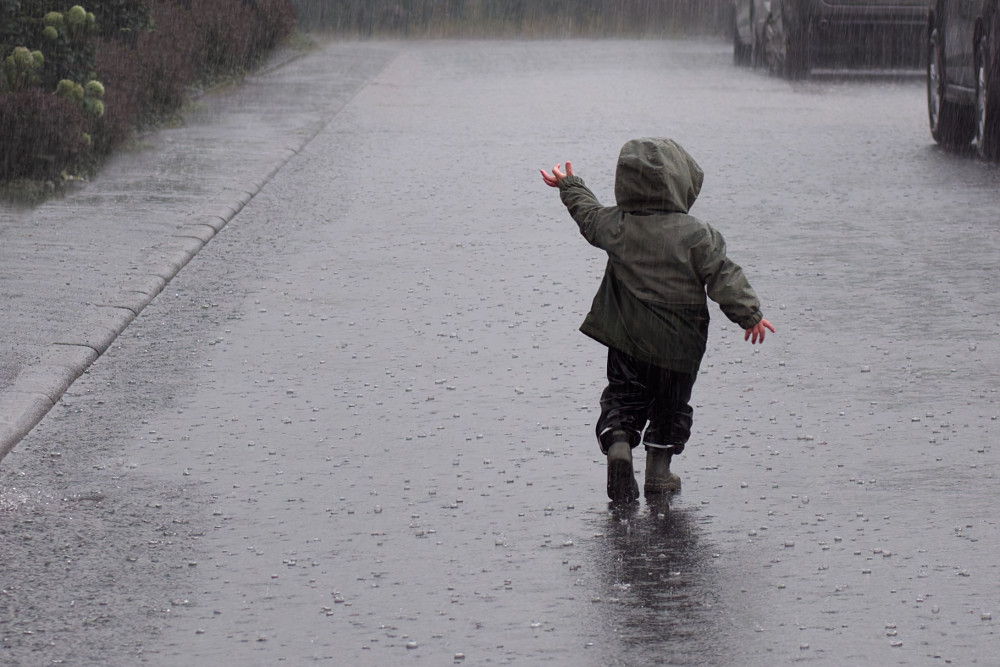
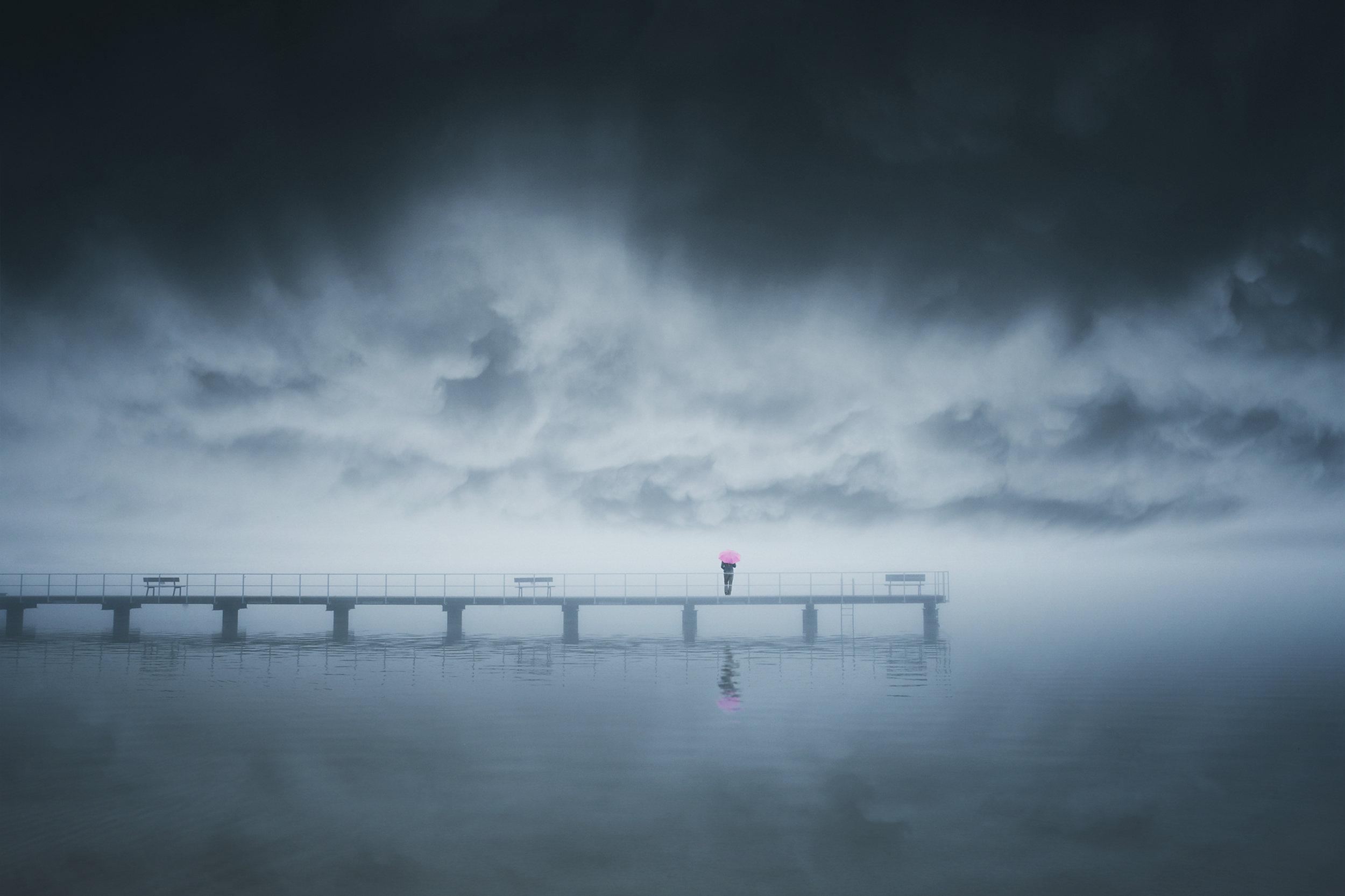
'Rainy days'
The overcast sky is an excellent chance to seek natural lighting. Also notice raindrops on the leaves or flowers, puddles in the ground or wet hair. When you take photos in the rain, it is better to choose dark backgrounds. The reason is that it creates a gloomy atmosphere that corresponds to the rainy weather and dramatic look. Take your umbrella and view the moody and beautiful submissions.
The winners with the most votes are:
1st place : DDiArte
2nd place: Antonyus Bunjamin (Abe)
3rd place : Alahattin Kanlioglu
Congratulations to the winners and honourable mentions.
Thanks to all the participants in the contest 'Rainy days'
Current contest theme is 'Autumn's wonderful mood'
Autumn is one of the most rewarding seasons for photographers. Vibrant leaves, misty mornings, and golden light can transform an ordinary scene into something unforgettable. But as inspiring as fall colors are, they can also be tricky to capture. Dull skies, flat light, or oversaturated tones often leave images looking less impressive than what you saw in the field.
This contest will end on Sunday the 25th of October at midnight.
The sooner you upload your submission the more chance you have to gather the most votes.
If you haven't uploaded your photo yet, click here.
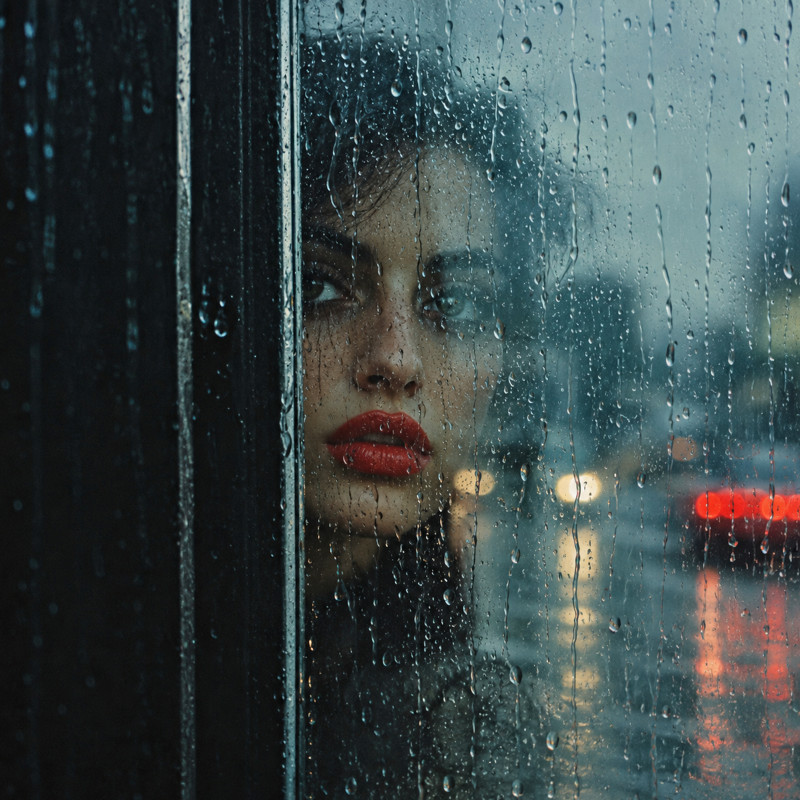
1st place: by DDiArte
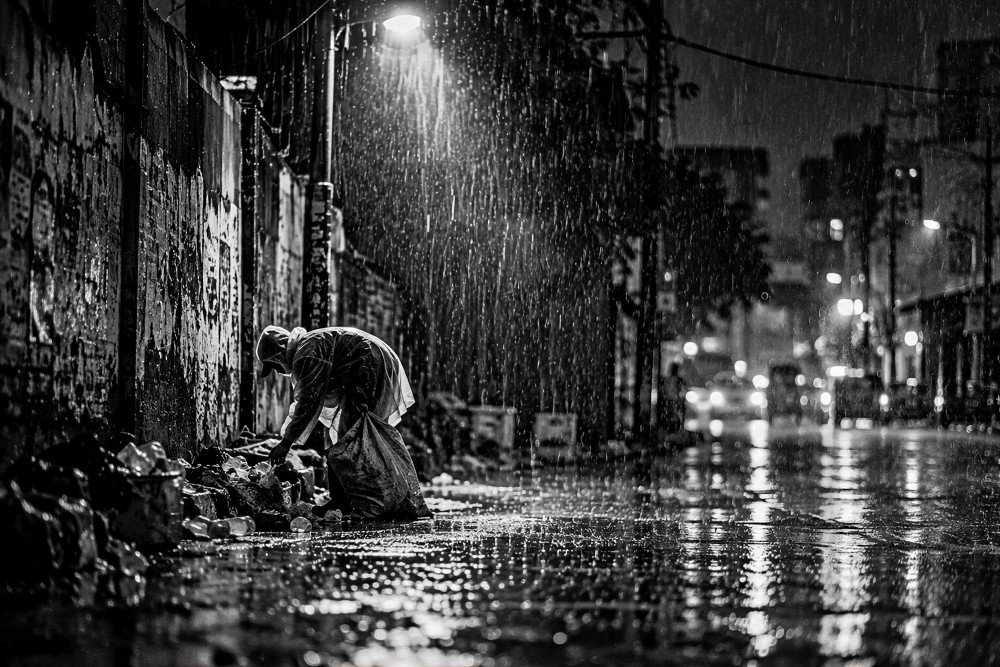
2nd place: by Antonyus Bunjamin (Abe)
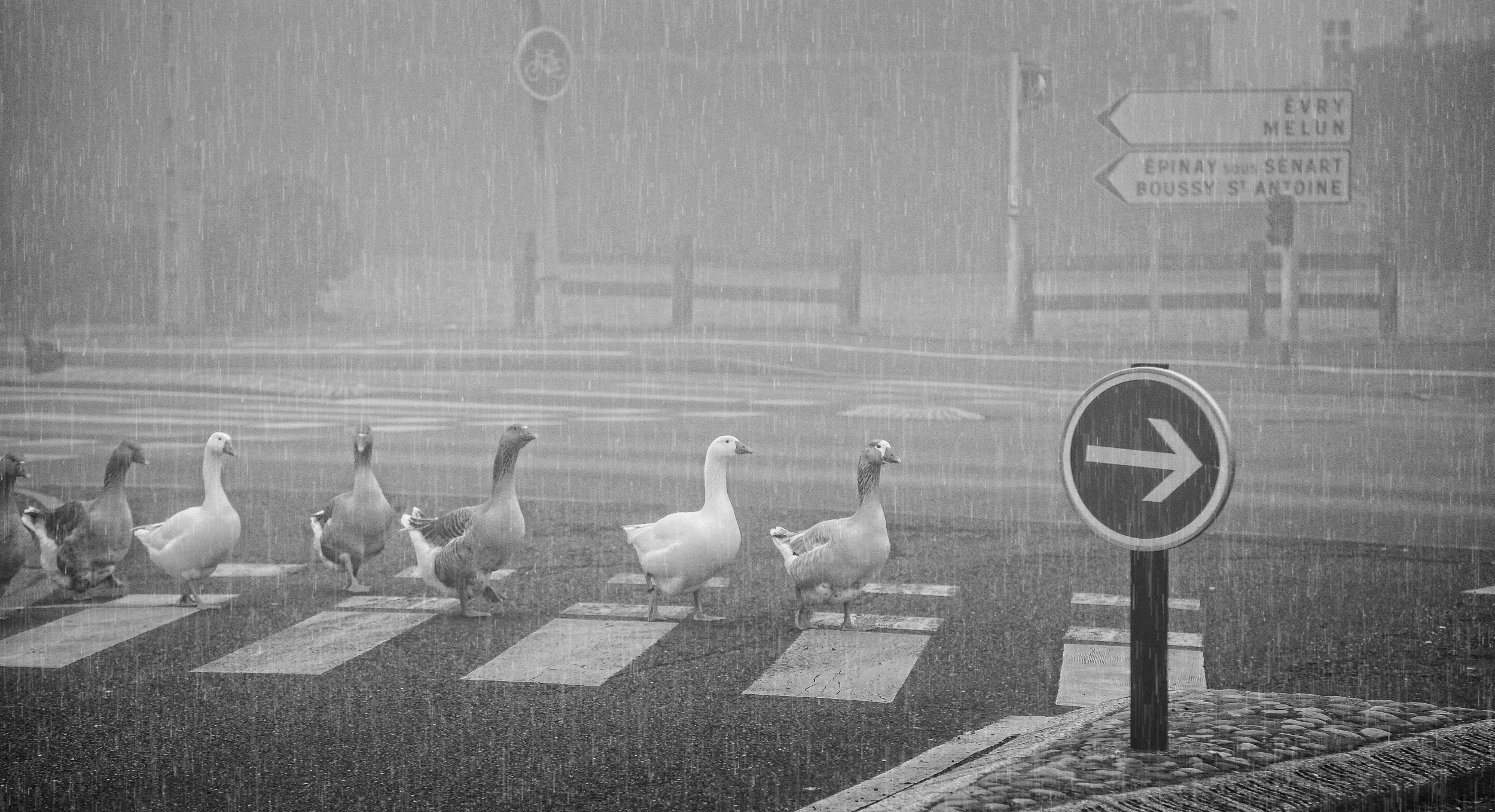 3rd place: by Anna Cseresnjes
HONOURABLE MENTIONS
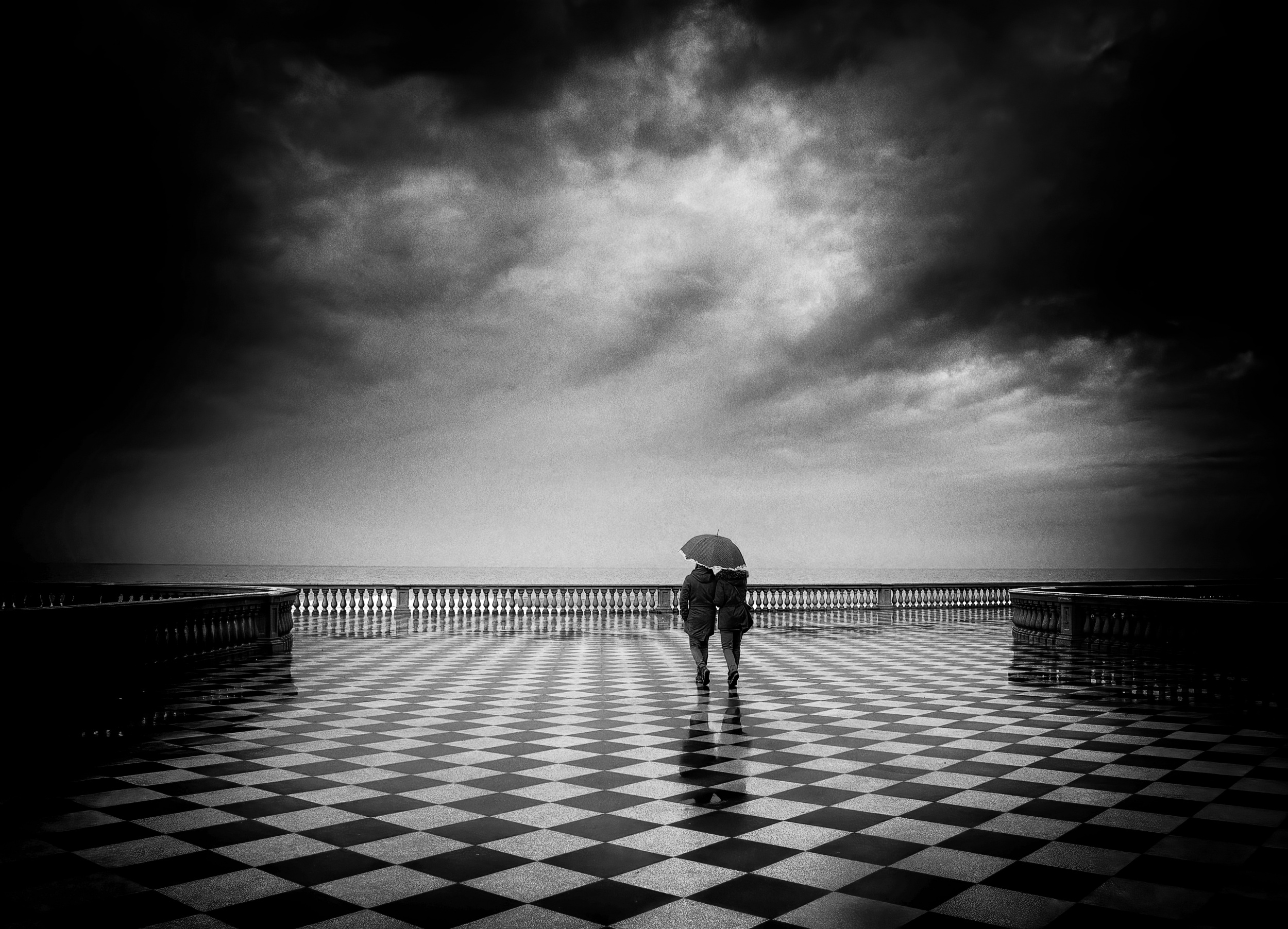
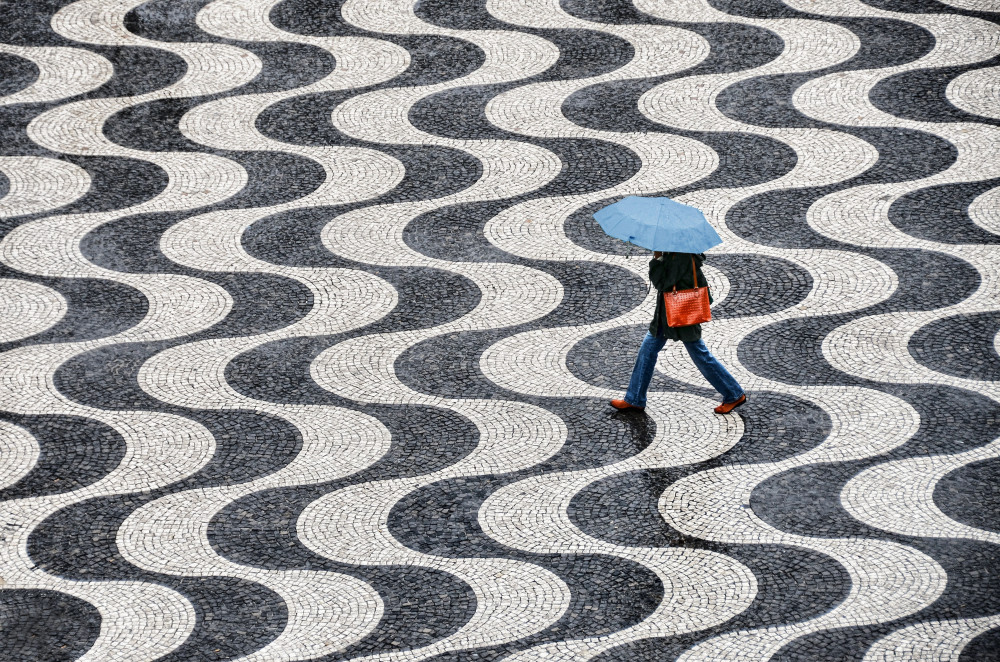
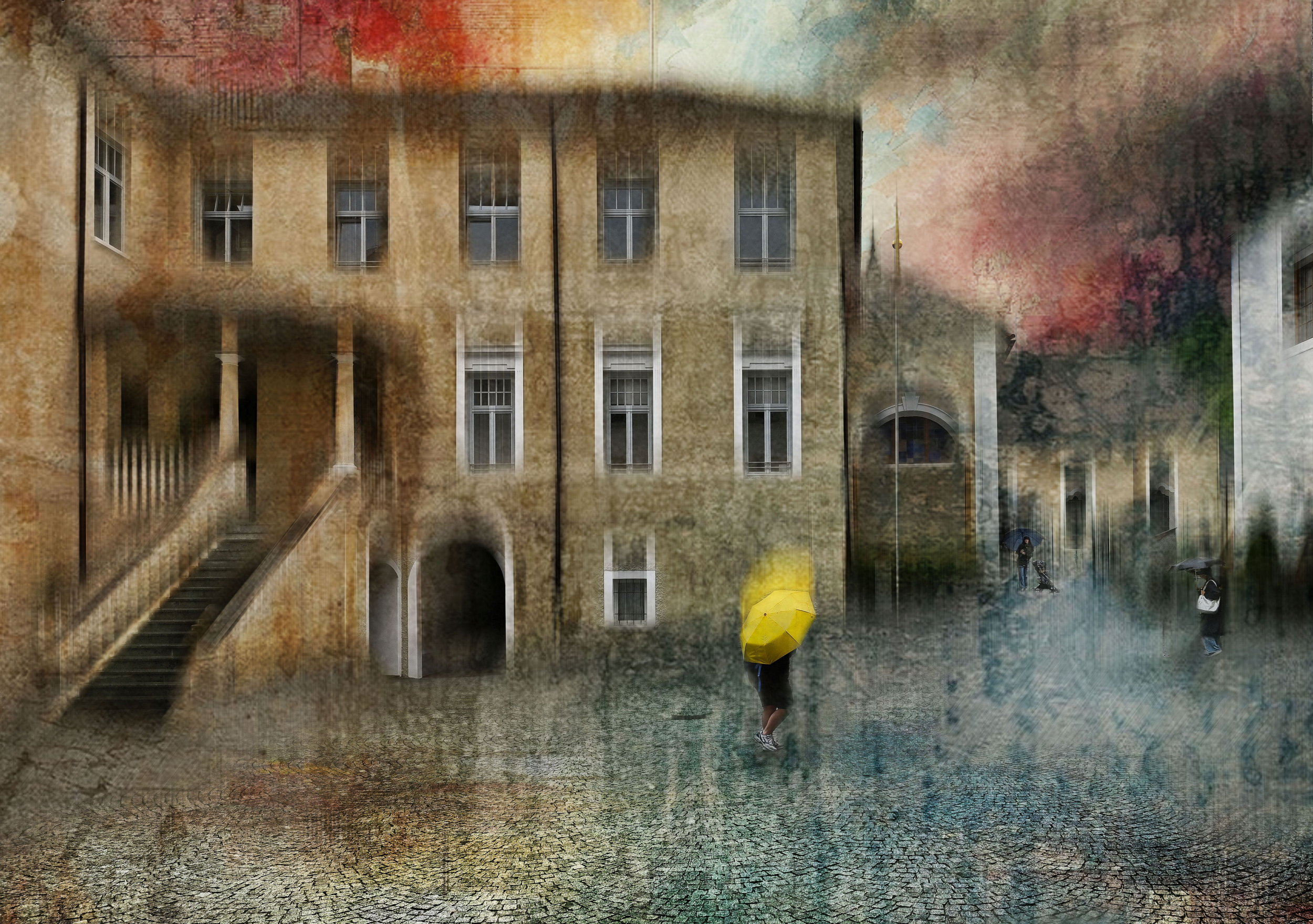
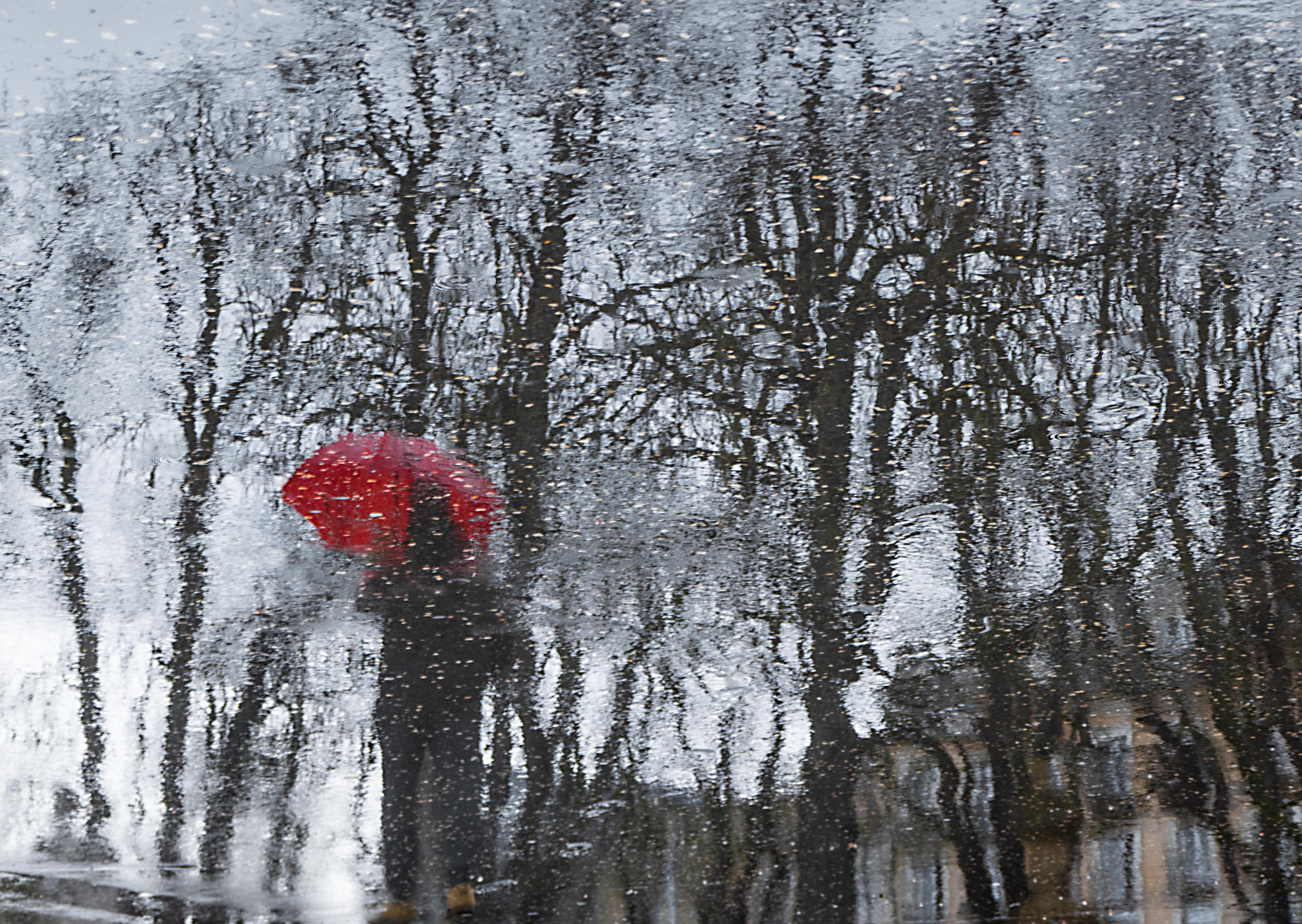
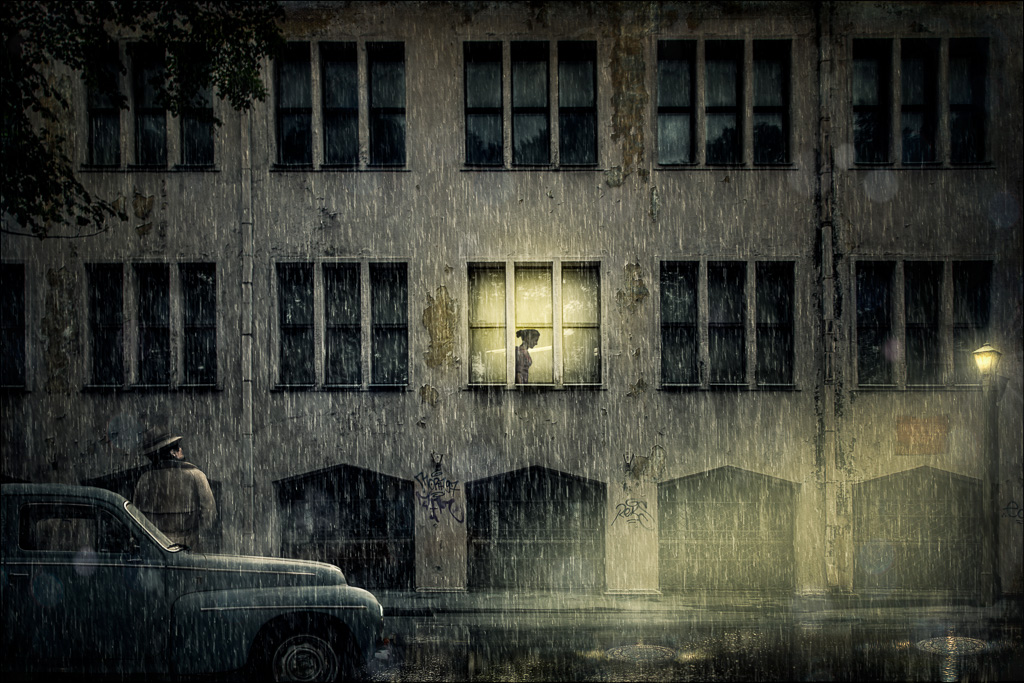
|
 | Congratulations to all the featured photographers in this contest for their inspiring and exceptional work! 👏👏 |
| | DonnaHom APA PRO I always like rainy days because it has the reflection on the floor and moody. Congratulations to all winners. |
 | Adolfo Urrutia PRO Congratulations to the winners. Thanks a lot, dear Yvette. |
 | Sunil Kulkarni PRO Congratulations to all the selected photographers—and a special thank-you to the curators for the difficult task of choosing from so many outstanding images. Every selected photograph is truly remarkable. While I’m a little disappointed that mine wasn’t included this time, I’m inspired by the exceptional work and look forward to the next opportunity. |
| | Jay Satriani PRO Congratulations on the selected works... you are a wonderful inspiration... and to my fellow countryman who won second place—congratulations, Om Anntonyus. |
| | Gary L Holman PRO Congratulations! to DDiArte and all Photographers. Wonderful! selection. |
 | AGNIRIBE PRO Excellent, but the link to ^photo page and artist is missing |
| | Sokol Priftaj PRO Inspiring article and photos |
| | beautiful selection |
 | beautiful selection! |