


|
|
|
|
by Yvette Depaepe
Published the 2nd of March 2026
NingYun Ye is attracted to the grandeur and timelessness of natural landscapes, percieving a poetic essence in the eastern mountains, waters and pastoral scenes that is akin to literati painting. These scenes carry cultural memories and philosophical contemplation. Rather than merely depicting landscapes, Ning Yun aims to capture poetic moments of Chinese aesthetics, enabling viewers to immerse themselves in the tranquillity and depth of Eastern beauty.
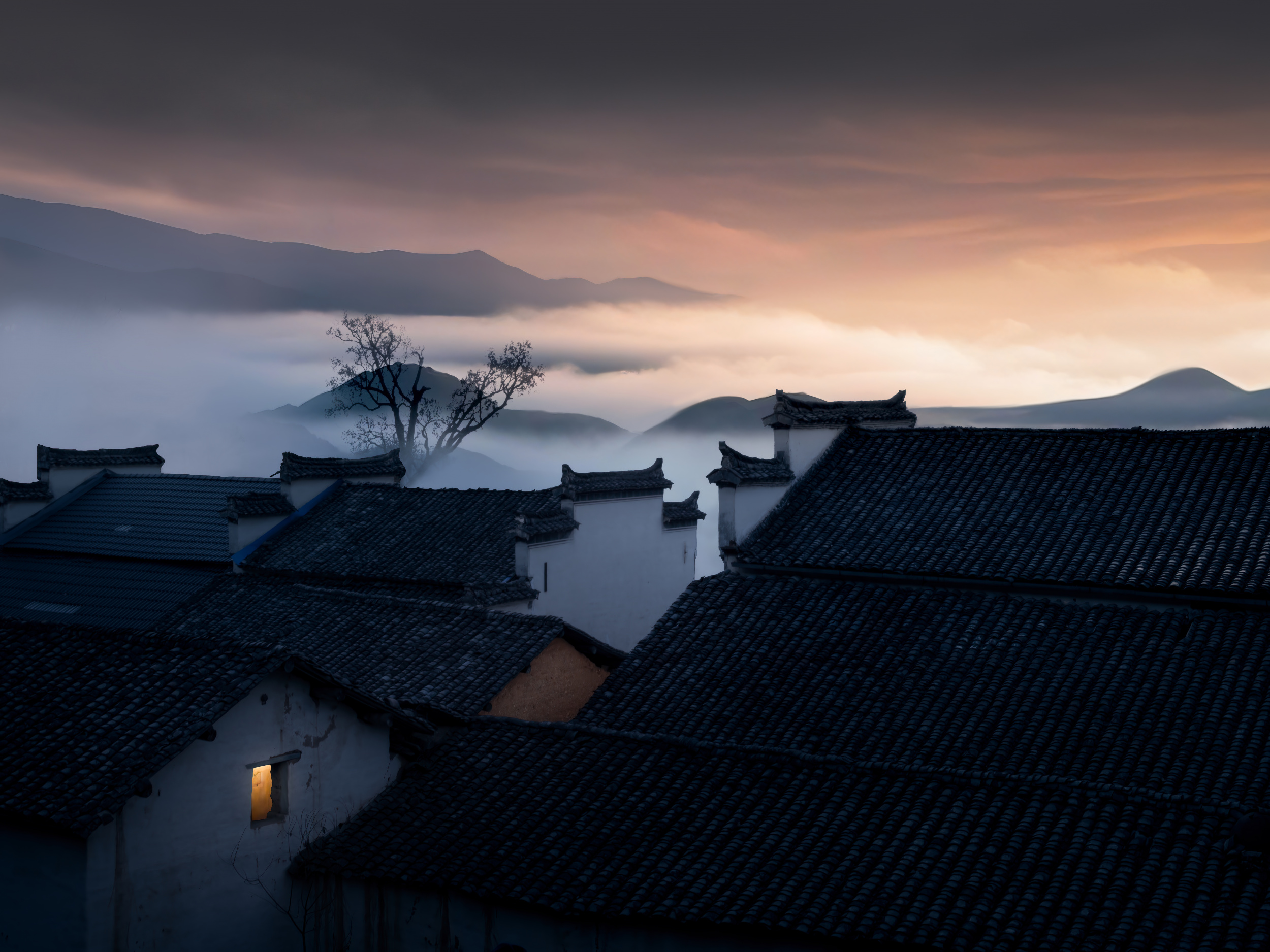
‘Old China village’
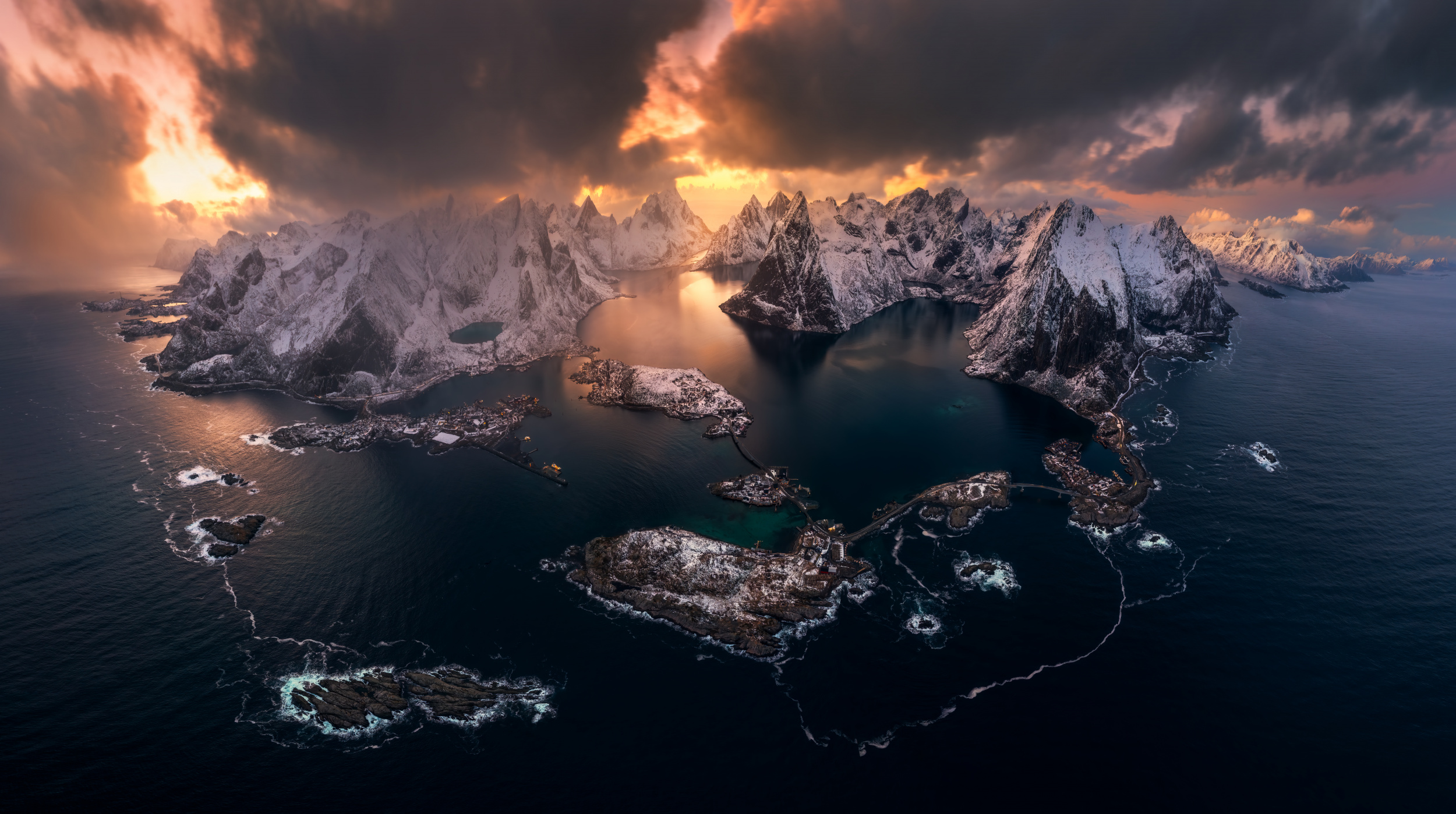
‘Pano Lofoten’
Could you please give us a brief introduction to yourself, your hobbies, and any other projects you are involved in?
Hello everyone, I’m Ning Yun, a landscape photographer from China. Born in 1993, photography has evolved from a mere passion to the center of my life and my primary means of expression. I focus on two main areas in my work: leading photography workshops in some of the world’s most breathtaking landscapes, such as the Italian Dolomites, Norway’s Lofoten Islands and Iceland, and exploring and creating Chinese-style landscape photography. The other area is my ongoing exploration and creation of Chinese-style landscape photography. I often venture into places such as the tidal wetlands of Yancheng in Jiangsu and the misty mountains and traditional architecture of southern Anhui, using my lens to capture the ethereal and poetic qualities deeply rooted in Eastern aesthetics. When I'm at home, I create post-processing tutorials to share my complete workflow, from shooting to the final image.
Outside of photography, I am fascinated by the freedom and focus that driving brings, whether it's speeding on a track or experiencing precise control in a simulator. It's an important way for me to balance creativity and add joy to life.

BMW M3
How and when did you start your journey in photography?
I began my journey in photography in the summer of 2010. At the time, I was struggling academically and didn’t want to waste my time, so I picked up a camera. For the first few years, I mainly photographed weddings, which also enabled me to save money for travelling to more distant locations. It wasn’t until 2017 that I used my savings to develop my own style. Since then, I have focused entirely on landscape photography and never looked back.
For many of us, photography is a hobby or a way of life. So, how would you describe your relationship with photography?
It's difficult to define in simple terms. For me, photography is a profession, a means of expression, a way of exploring the world, and a form of healing. If I had to choose one word, I’d say it’s like 'breath' – it’s how I communicate with the world and find my rhythm.
Which experience has had the greatest influence on your journey in photography so far?
There have been two key turning points. The first was encountering those awe-inspiring landscape photographs from around the world, which opened my eyes to the vast possibilities behind the lens. The second was realizing, while shooting landscapes in China, that the poetic sensibility of Eastern aesthetics—the use of negative space, the fusion of atmosphere, humanity, and nature—was what I truly wanted to pursue. This shifted my focus from “chasing distant horizons” to “delving into the East,” shaping my current creative direction.
You have your own unique style. What is it about landscape photography that draws you to it?
The primary attractions are the grandeur and timelessness of the natural landscapes themselves. Yet, on a deeper level, I perceive a poetic essence akin to literati painting in the eastern mountains, waters and pastoral scenes. The mudflats of Yancheng at dusk resemble an ink wash scroll, and the mist and rain enveloping the Horsehead Walls in southern Anhui make time seem to stand still. These scenes are beautiful and carry cultural memories and philosophical contemplation. I hope that my photographs will not merely depict landscapes, but will capture poetic moments of Chinese aesthetics, allowing viewers to step into the frame and experience the tranquility and depth of Eastern beauty for themselves.
Which is more important to you: the mood or story behind your images, or technical perfection?
Mood is the soul and technique is the skeleton; they coexist. When shooting Chinese-themed work, creating atmosphere and artistic conception is often more important than achieving absolute technical sharpness. I intentionally seek out weather conditions such as fog, rain or snow, and times of day such as dawn or dusk, to soften boundaries and create breathing space in the image. During post-processing, I aim to achieve soft tonal and colour transitions, ensuring that technique serves the mood rather than overwhelming it.
What is your relationship with your subject matter beyond being an observer?
Do you prepare the locations where you intend to take photographs carefully?
When photographing Chinese landscapes, I see myself as both a cultural interpreter and a translator. I read lots of related poetry, study paintings and learn about the local history and seasonal characteristics of the area. My preparations include researching the terrain, climate and human activities, such as fishing or farming, but I also leave room for spontaneous encounters. I look forward to the unexpected moments I encounter in the fields, such as a passing cloud, a wisp of smoke or the silhouette of a farmer — it's then that the image truly comes alive.
Describe your overall photographic vision.
My vision is to “bridge the grandeur and the subtle”. I aspire to capture the awe-inspiring nature of the landscape, while also being committed to extracting the quiet poetry and human warmth embedded in Chinese landscapes. Ultimately, I hope that viewers will be able to both see the world and hear the East.
In your opinion, what are the main features of a successful landscape photographer?
Apart from the essential qualities of physical stamina, patience and perseverance, I believe that a unique visual sensibility and cultural perception are the most important qualities. When photographing culturally rich sceneries in particular, it is important to understand the history, literature and aesthetic traditions behind the scenes in order to create images that touch people's hearts and go beyond the surface.
Could you tell us more about your creative process, from the initial idea to the finished product?
Using Chinese-style landscapes as an example, I gather cultural references, such as classical paintings or poems, and study the local climate during the planning stage. During the shoot, I wait for the 'decisive atmosphere’ perhaps when kitchen smoke rises, or when rain and mist are about to disperse. During post-processing, I emphasize tonal consistency and artistic conception, opting for restrained colours and carefully controlling saturation and contrast to create a visual rhythm that continues the tradition.
Where do you find inspiration, and what inspires you most?
Inspiration comes from a variety of sources. Dreams have indeed provided me with surreal visual premonitions. However, I find more sustained inspiration in Chinese classical literature, painting and traditional music. Hearing a piece of guqin music or reading a Tang poem often conjures up specific imagery in my mind. Walking through the alleys of Jiangnan or the rural fields, everyday scenes bathed in a certain light can also instantly inspire the urge to create.
Many people believe that gear is unimportant if you're passionate about photography. Could you please tell us what equipment you use, such as your camera, lenses, lighting and tripod?
My requirements for photography equipment are quite modest — I believe that the content and emotion of a photo are what matter most to me. I often use a Nikon Z7 with Laowa 10 mm and 12 mm lenses, as well as a Nikon 24–200 mm lens. My phone is also an important tool — many of my award-winning photos on 1X were taken with my phone.
What is your favourite photo and what is the story behind it? Please tell us the story behind it.
This is a photo I took of traditional Chinese architecture in Anhui Province, China. It is known as 'Huizhou-style architecture' and is characterized by its extended walls on both sides, known as 'horse-head walls'. I came across this incredibly layered and unique rooftop while walking through a high mountain village. I used my imagination to create this rather impressionistic image.
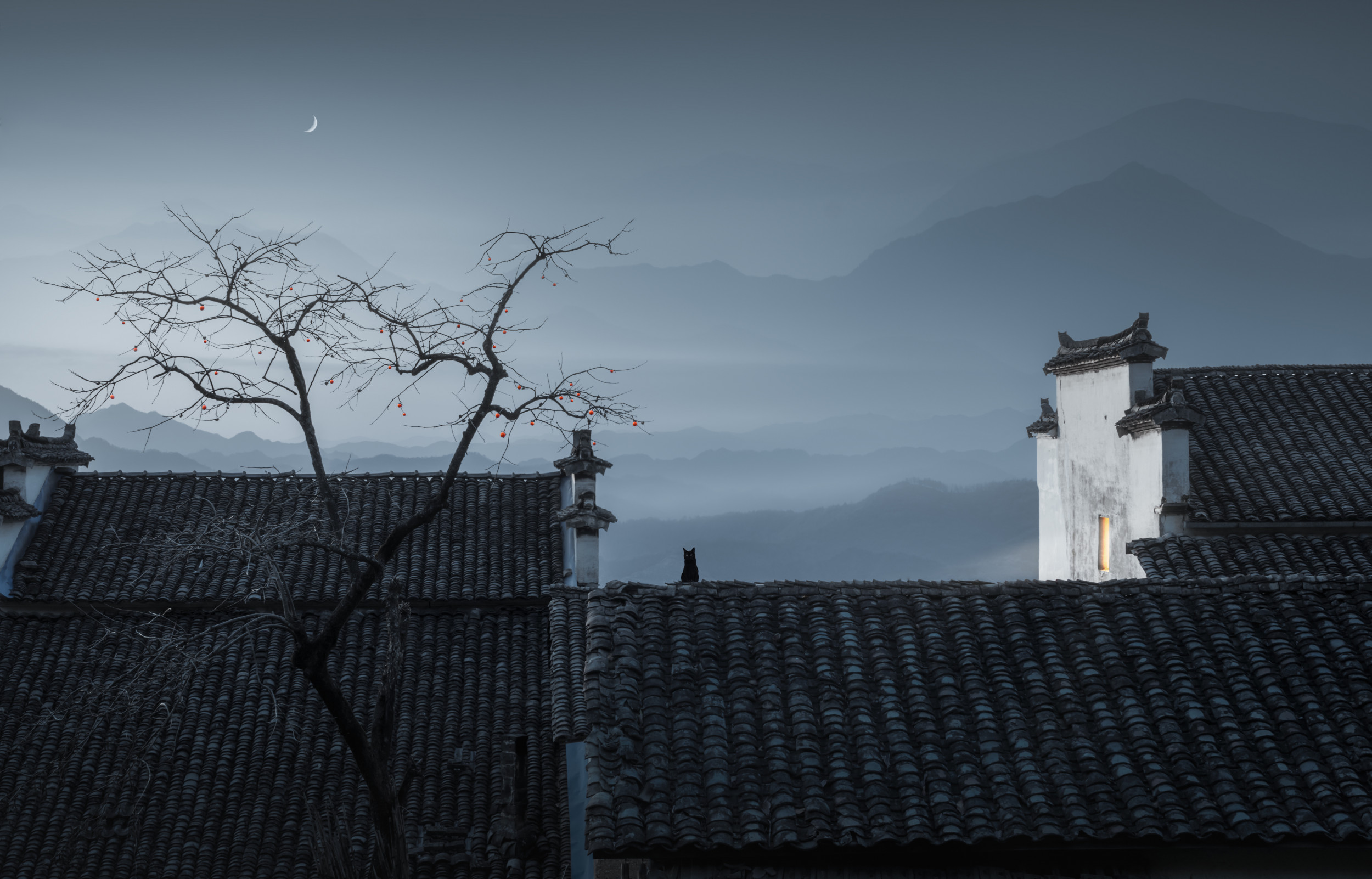
‘cat on the roof’
Which photographers or mentors have influenced you the most?
I greatly admire the work of photographers such as Marc Adamus and Max Rive. Their work has a strong sense of drama, with imaginative compositions and lighting. In terms of domestic photography, Duan Yueheng's black-and-white landscapes have introduced me to the depth of Eastern aesthetics expressed in nature. Their work continually inspires me to broaden my vision.
As we're coming to the end of this interview, could you tell us about any photography projects you'd like to be involved in?
I intend to continue working on a long-term project entitled 'Chinese Style', which involves systematically photographing landscapes and scenes of human activity that exhibit classic Eastern characteristics across various regions of China. Alongside this, I plan to create short documentaries and essays exploring how modern people can find spiritual solace in this visual poetry. Furthermore, I intend to combine my experience of shooting world landscapes with an Eastern aesthetic perspective to create a series entitled 'When East Meets World', which will showcase a visual narrative of cultural fusion.
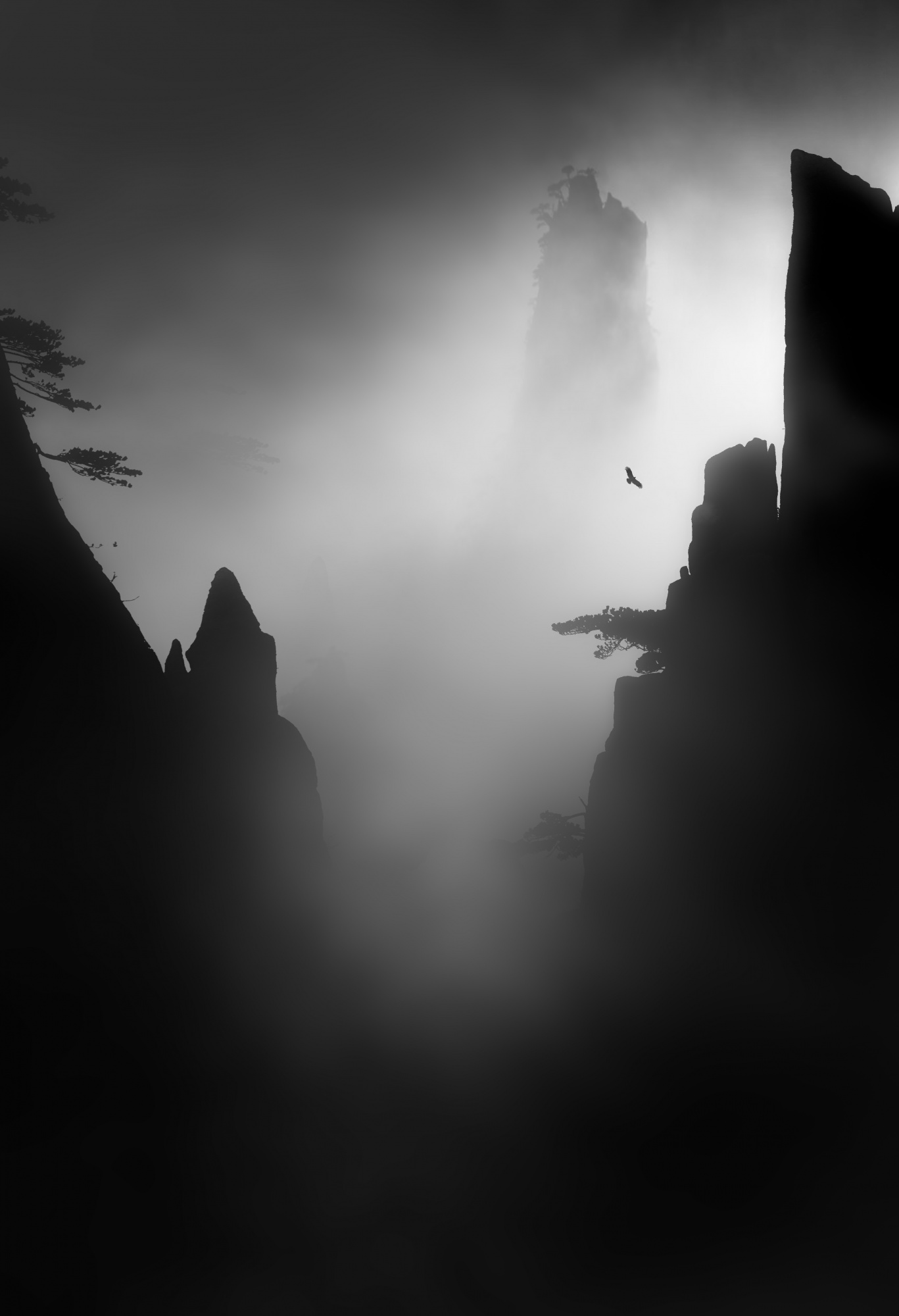
‘Mountain and bird’
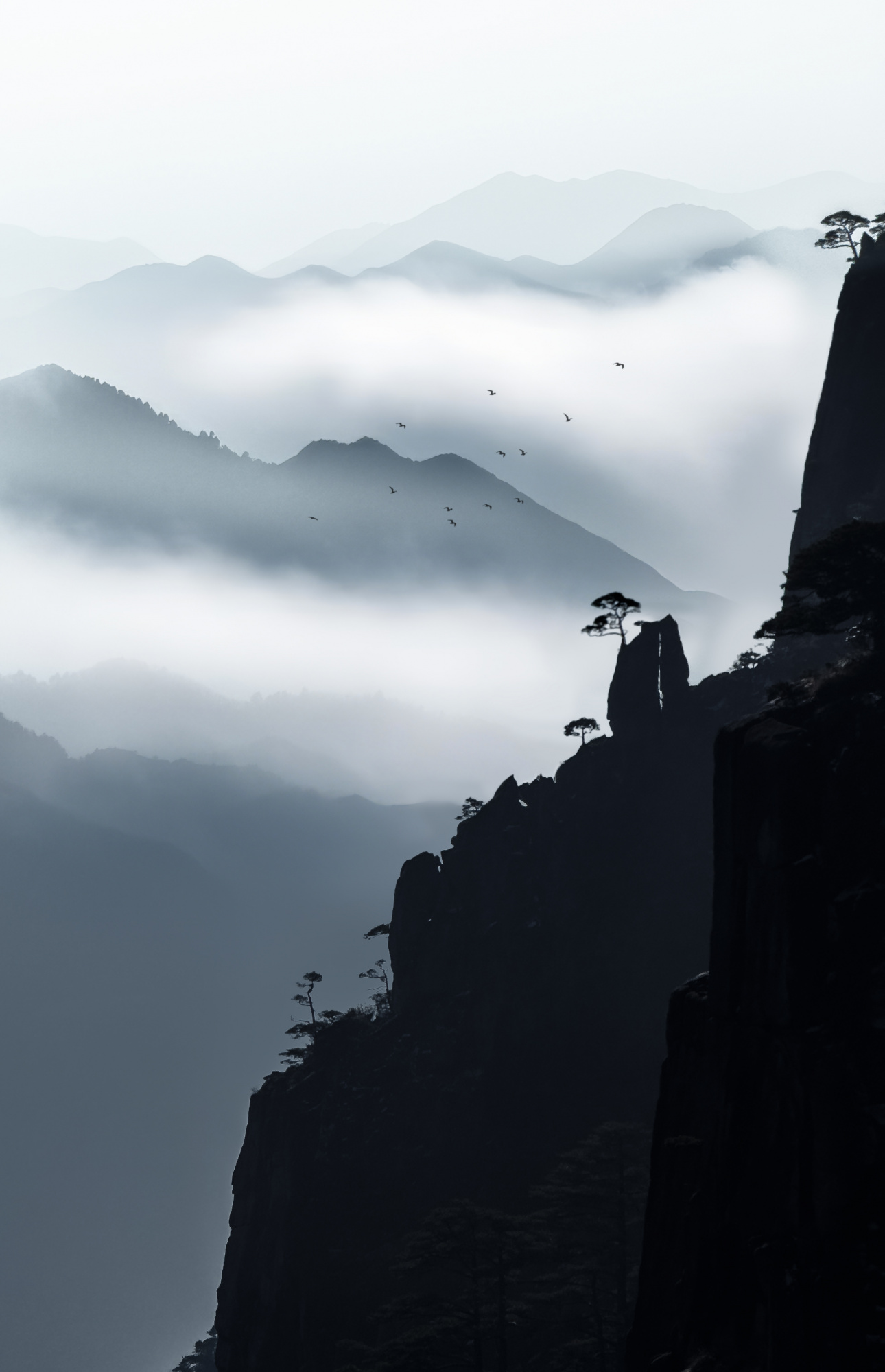
‘Huangshan’
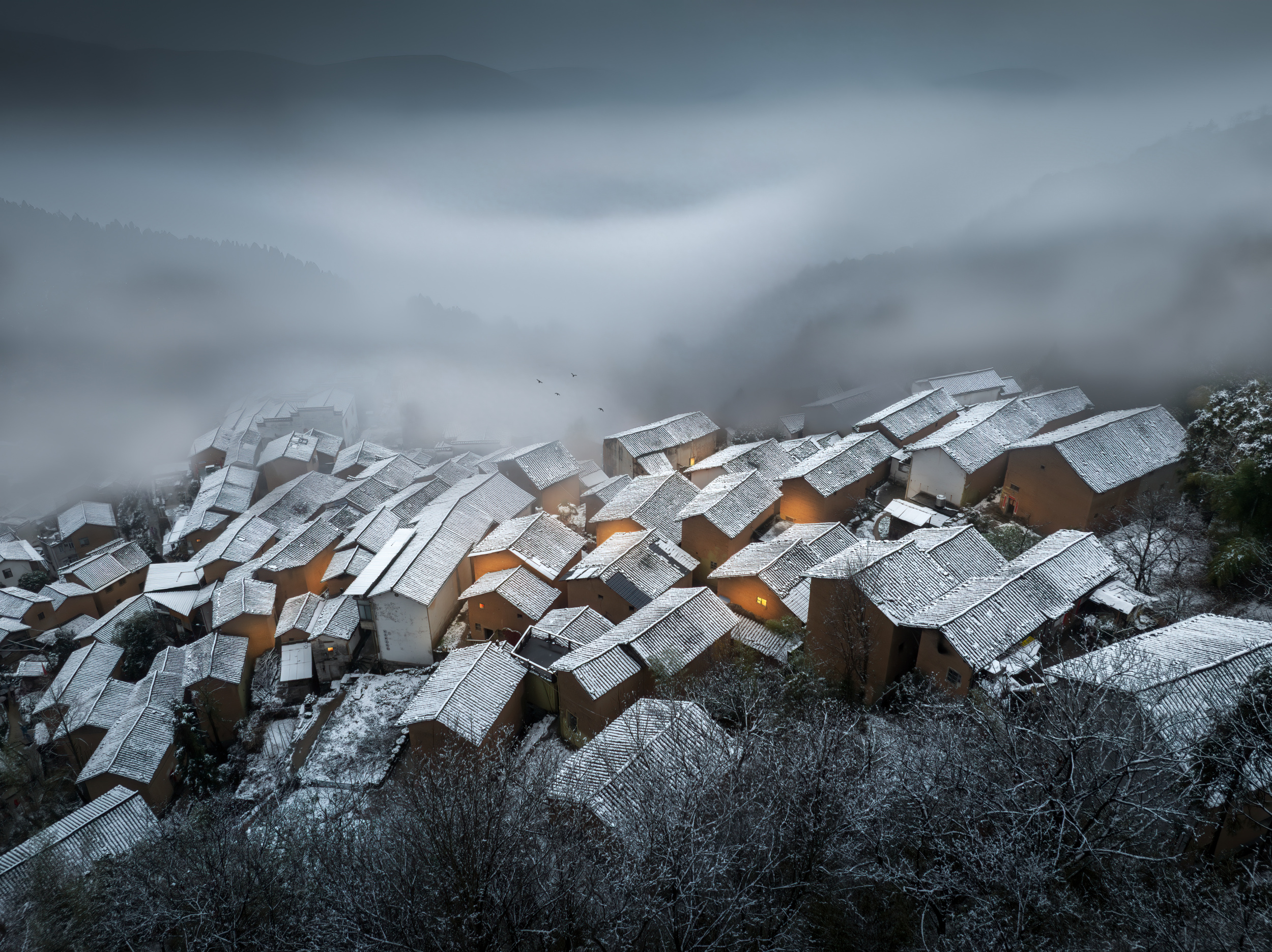
‘After snow’
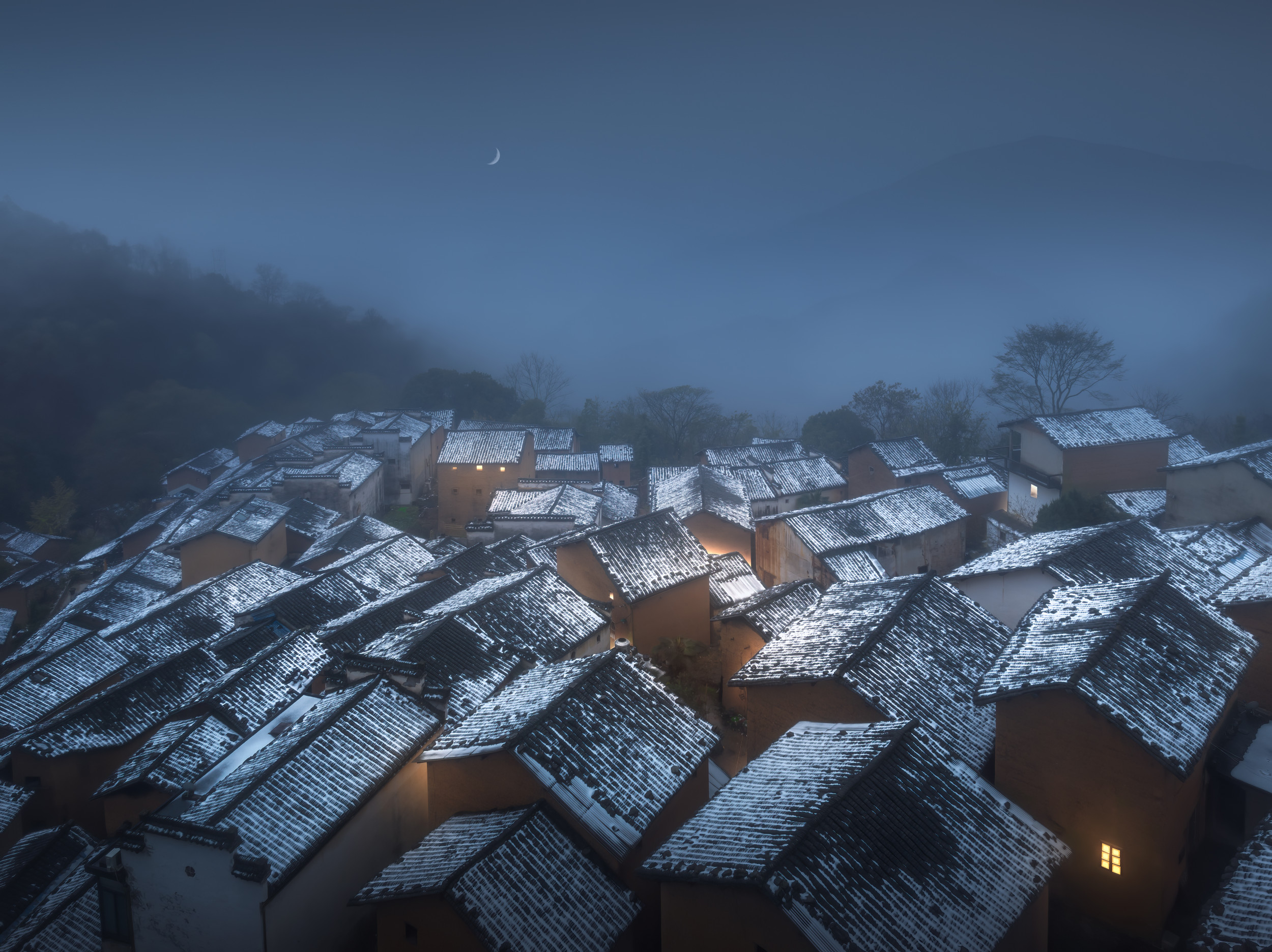
‘Snow at night and ancient villages
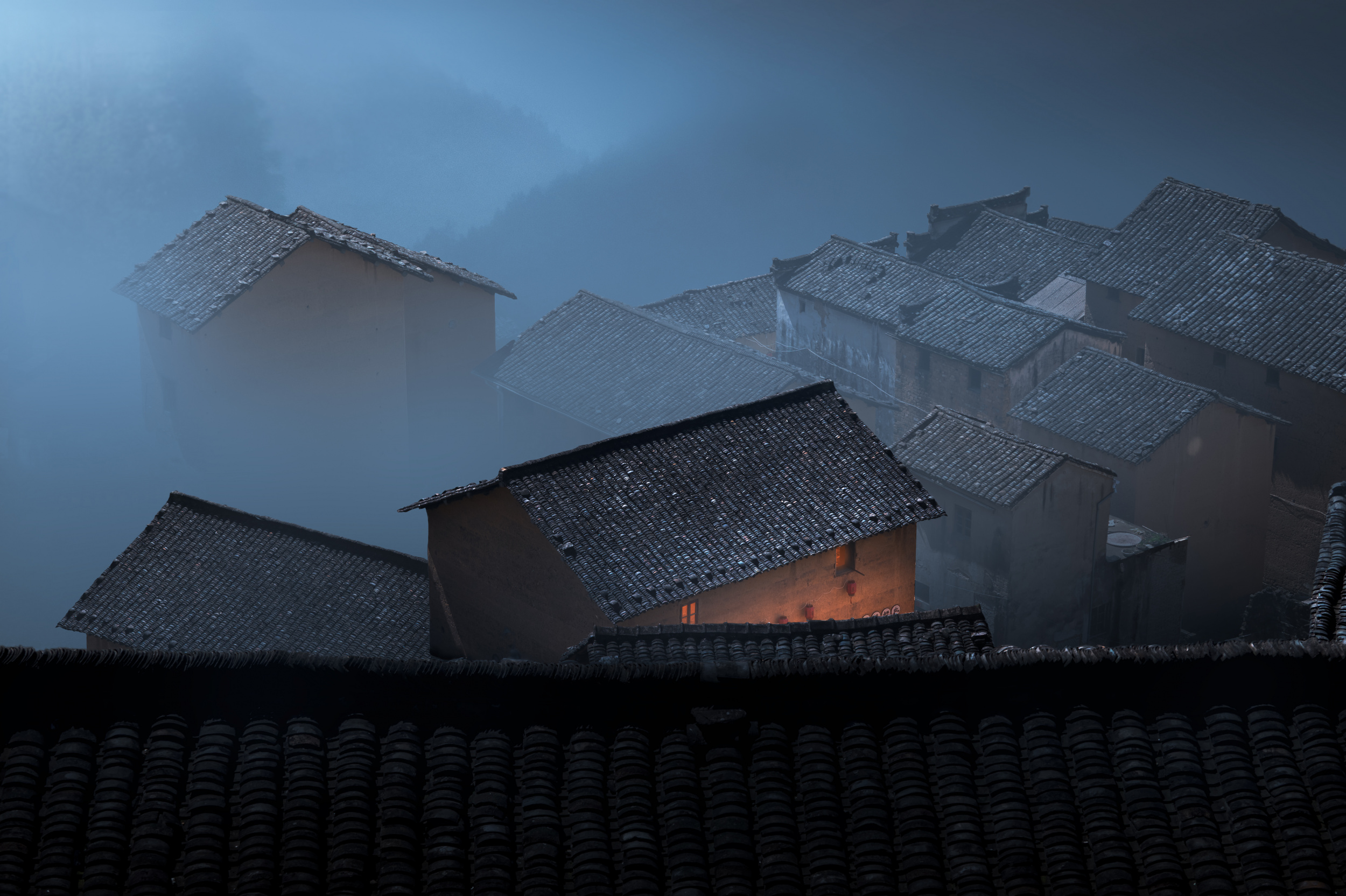
‘Lights of houses in the fog’
Is there anything else you would like to add? What do you think about using 1X to showcase your work?
1X is an international platform that sets exceptional aesthetic standards, so it is truly motivating to showcase my work here. I hope to share my photographs with a global audience, revealing the unique sense of time and philosophical depth found in nature. Photography is a universal language, and I am excited to connect with people from different cultures through this medium.
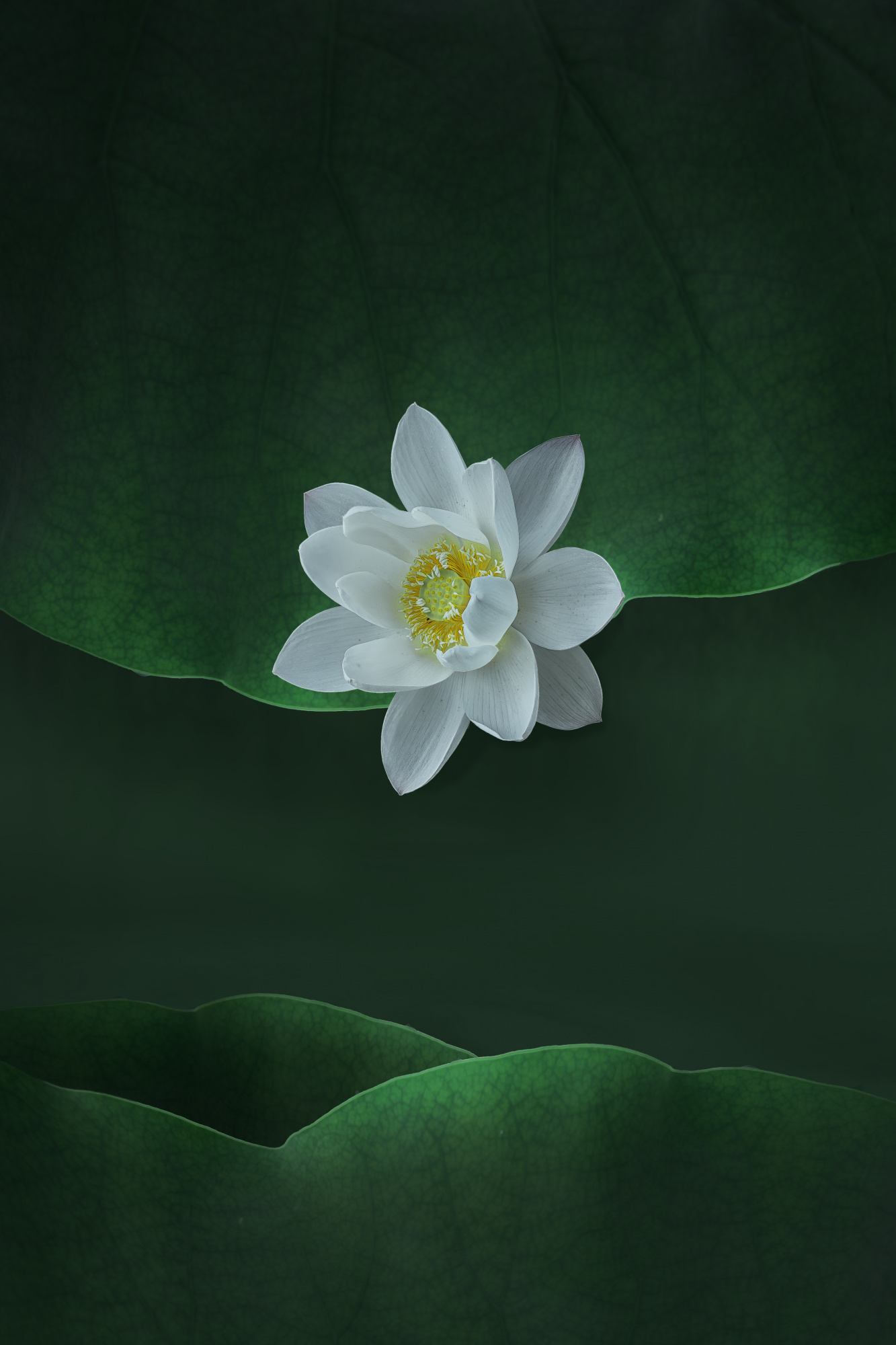
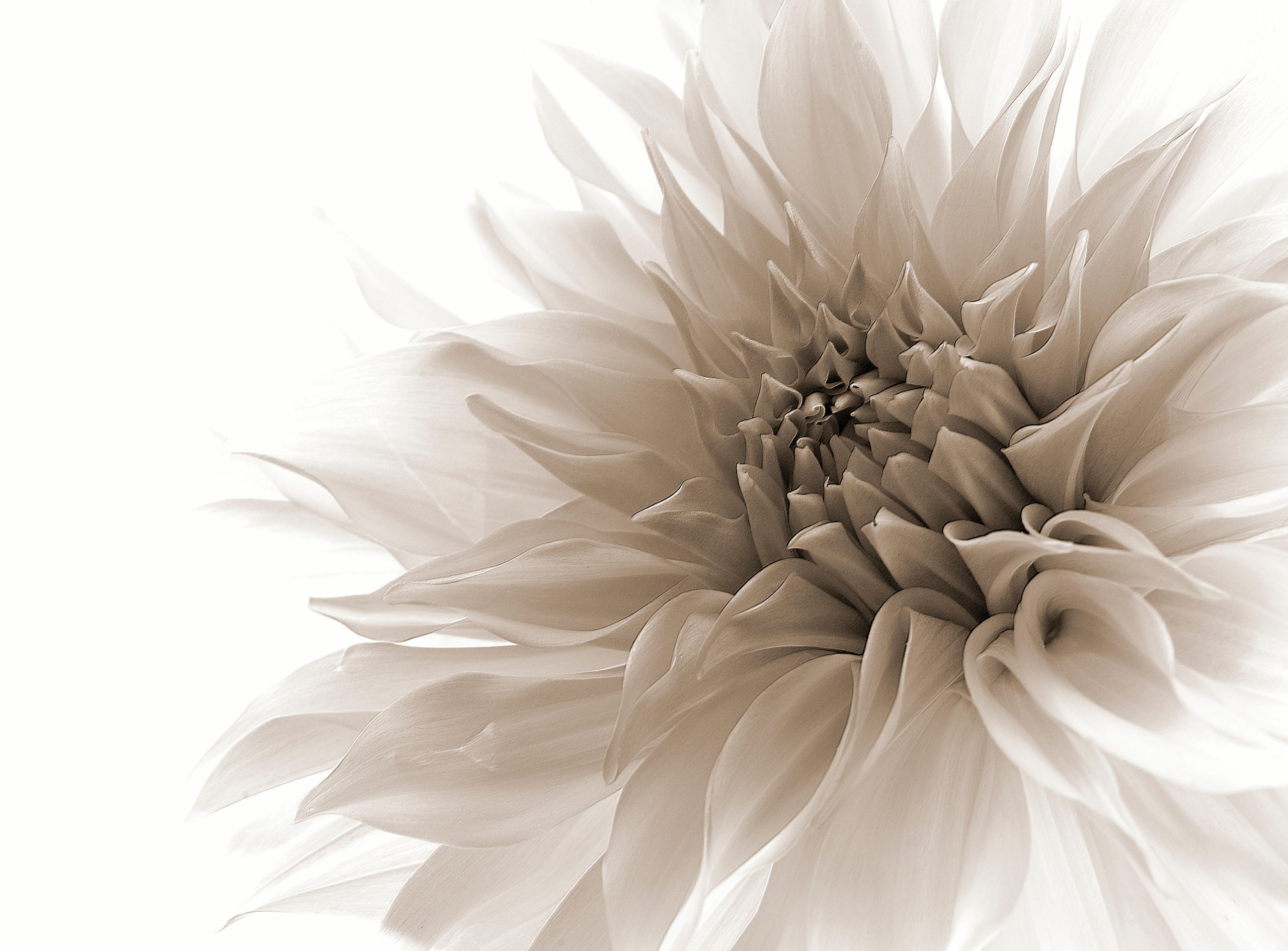
‘Lotus’
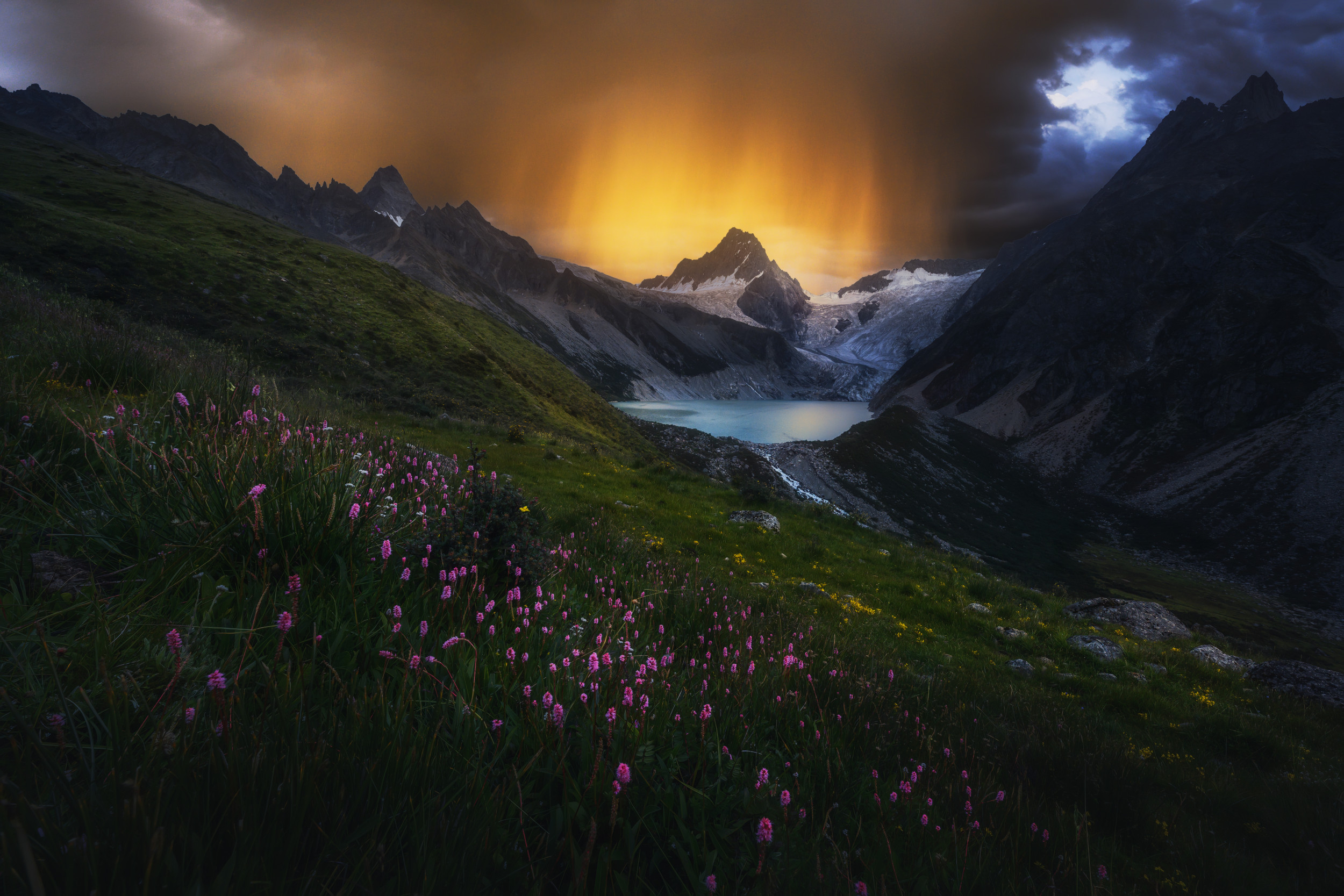
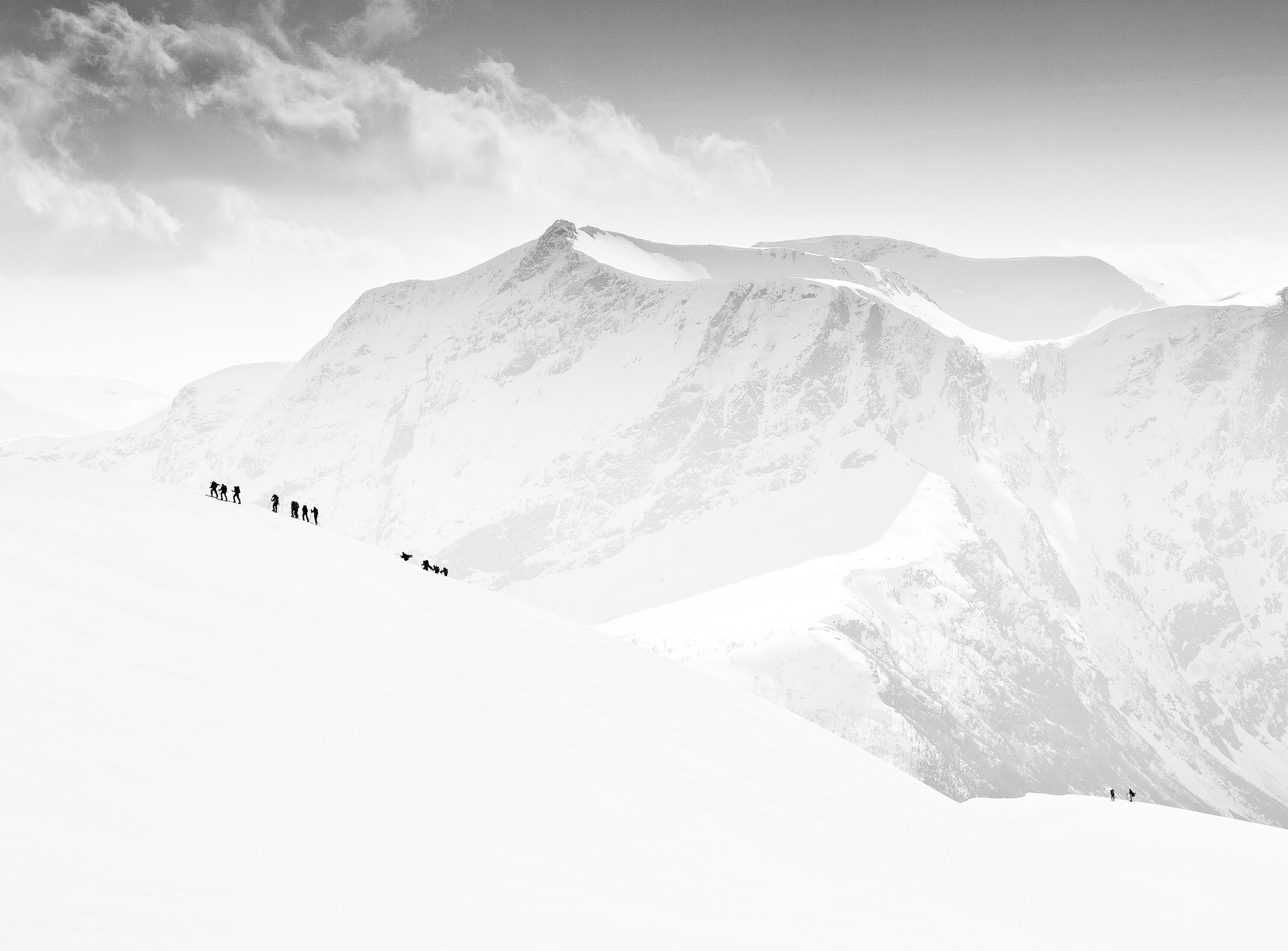
‘Snow Mountains’
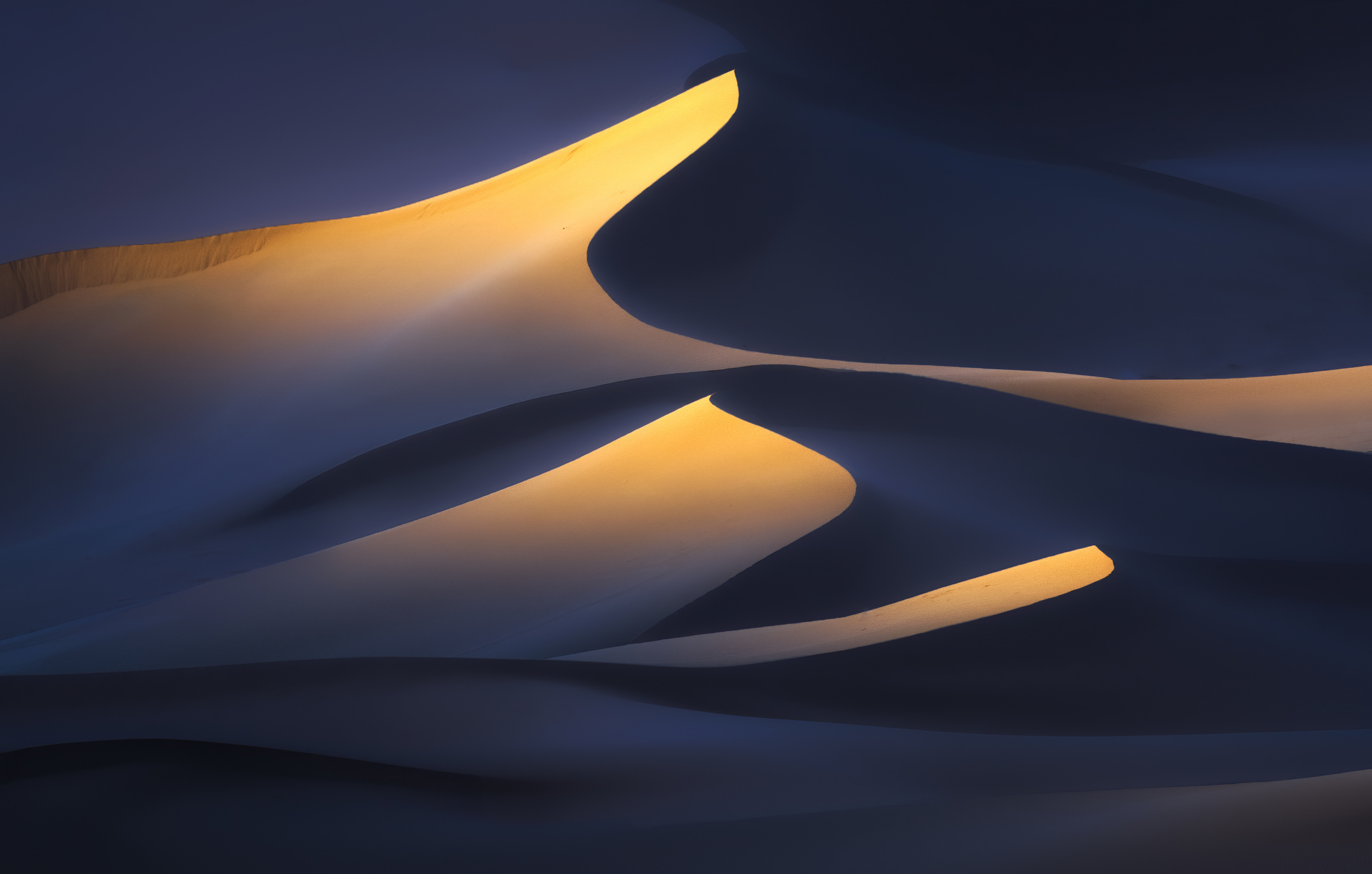
‘Golden Desert’
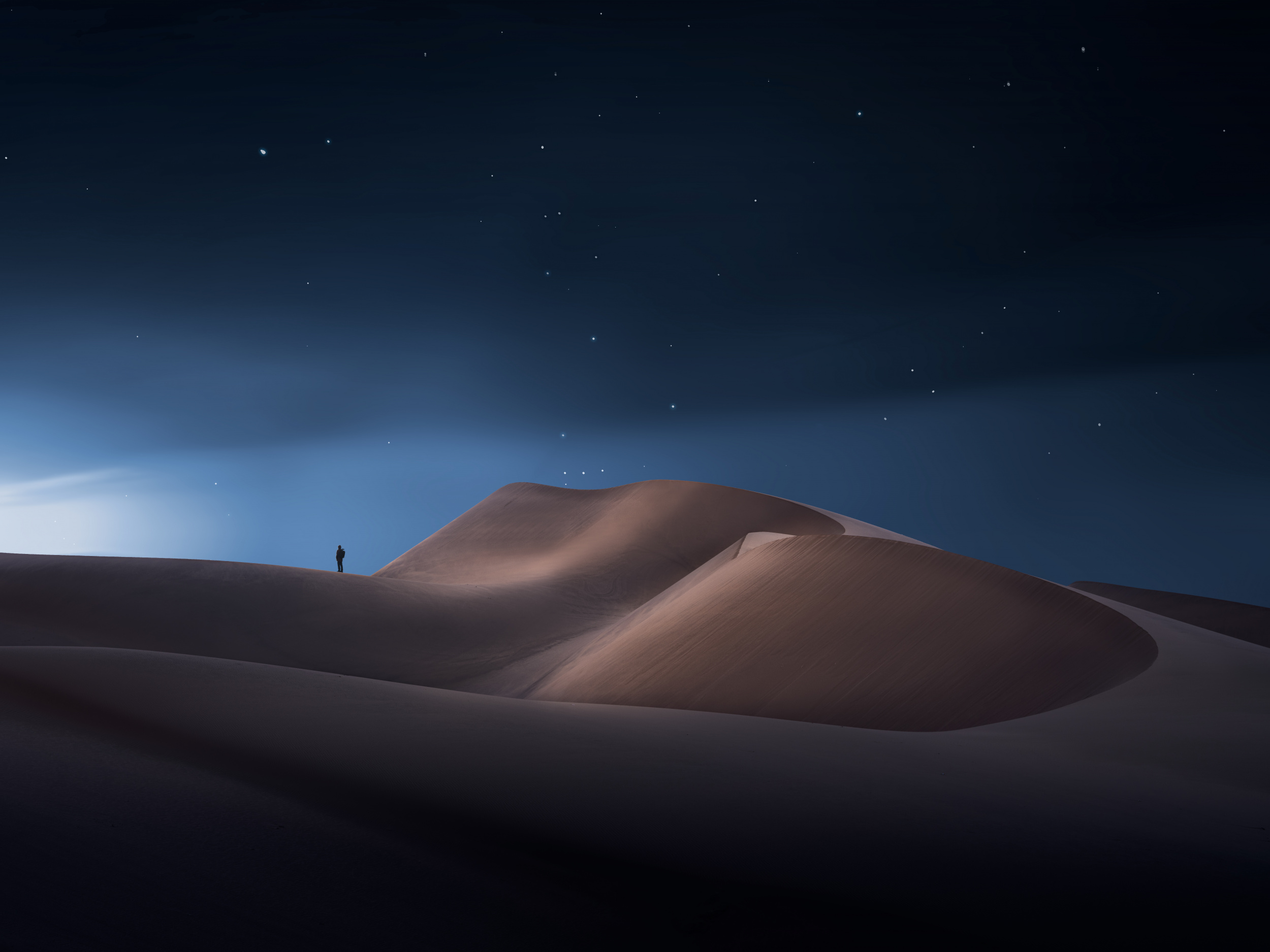
‘Desert Night Sky’
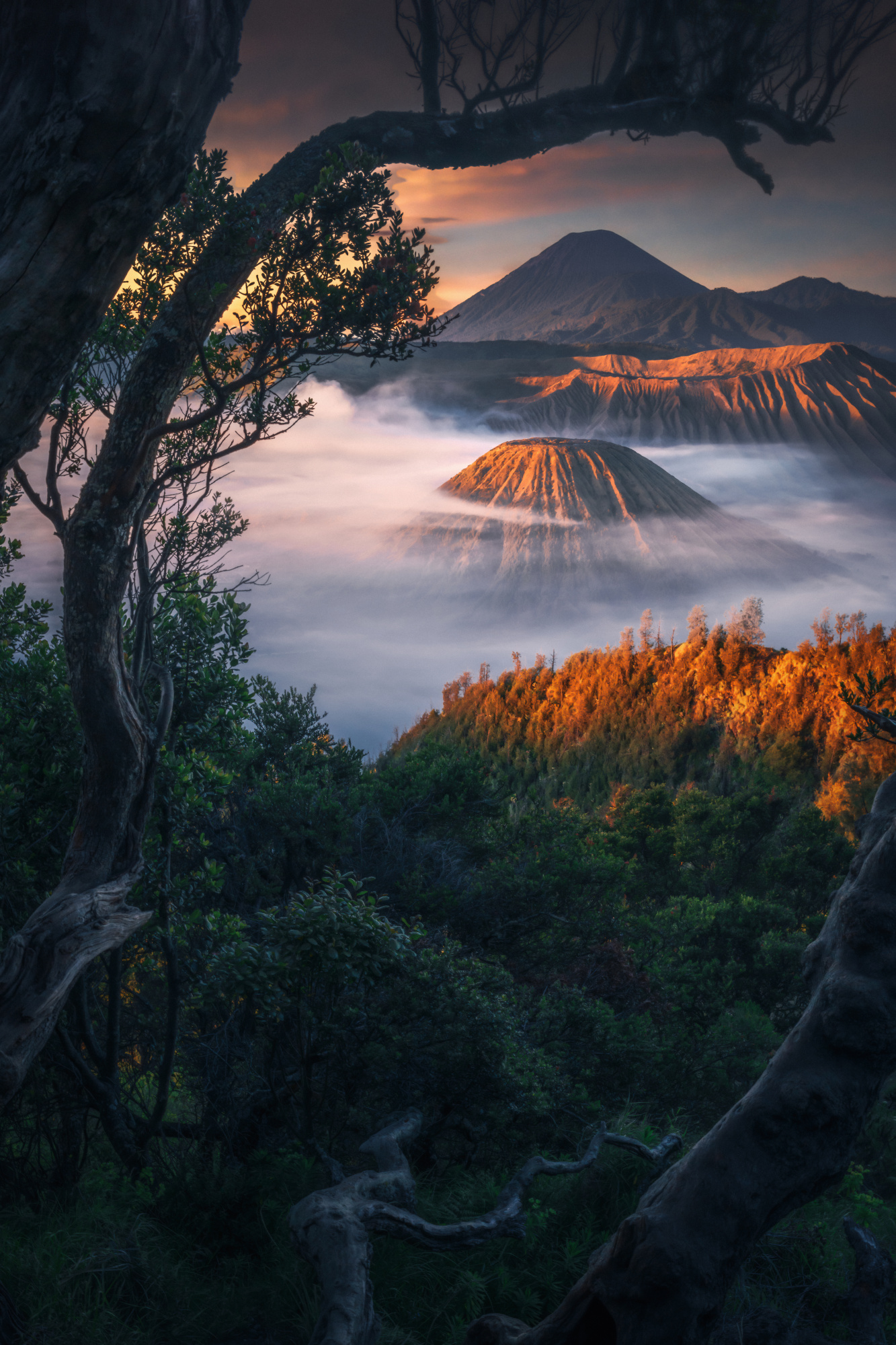
‘First glimpses of Mount Bromo’
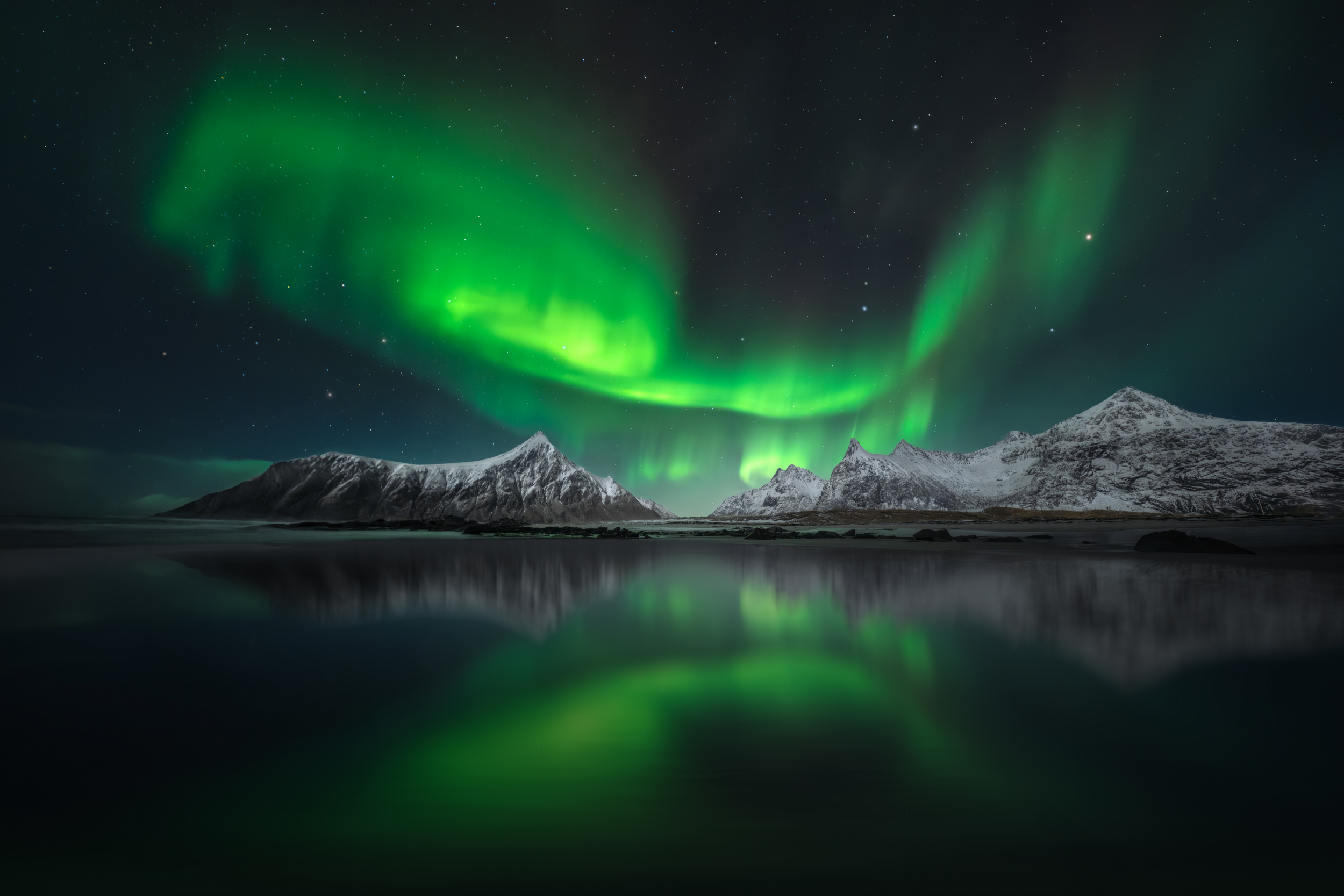
‘The northern light’
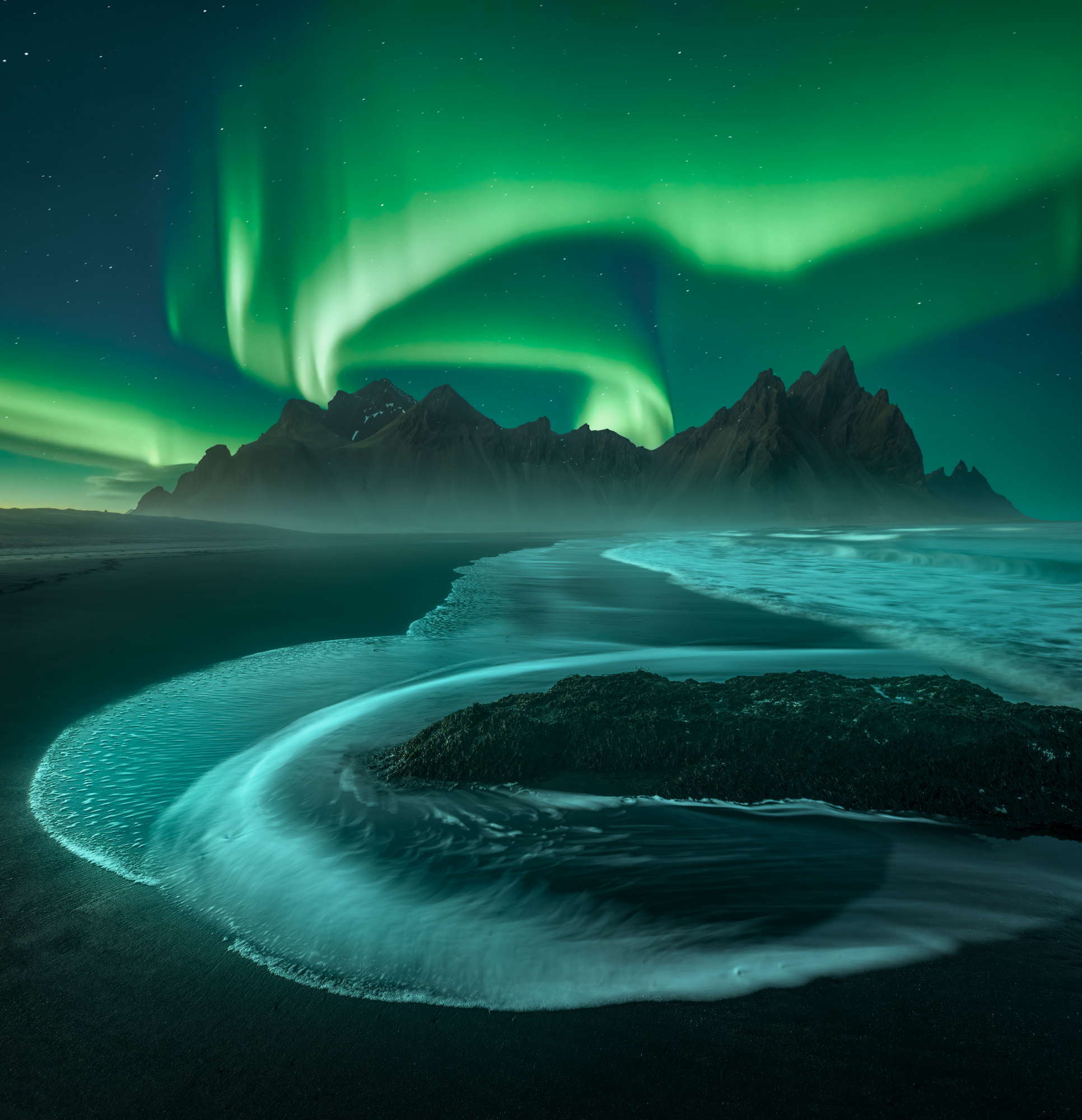
‘Malam pasang surut’
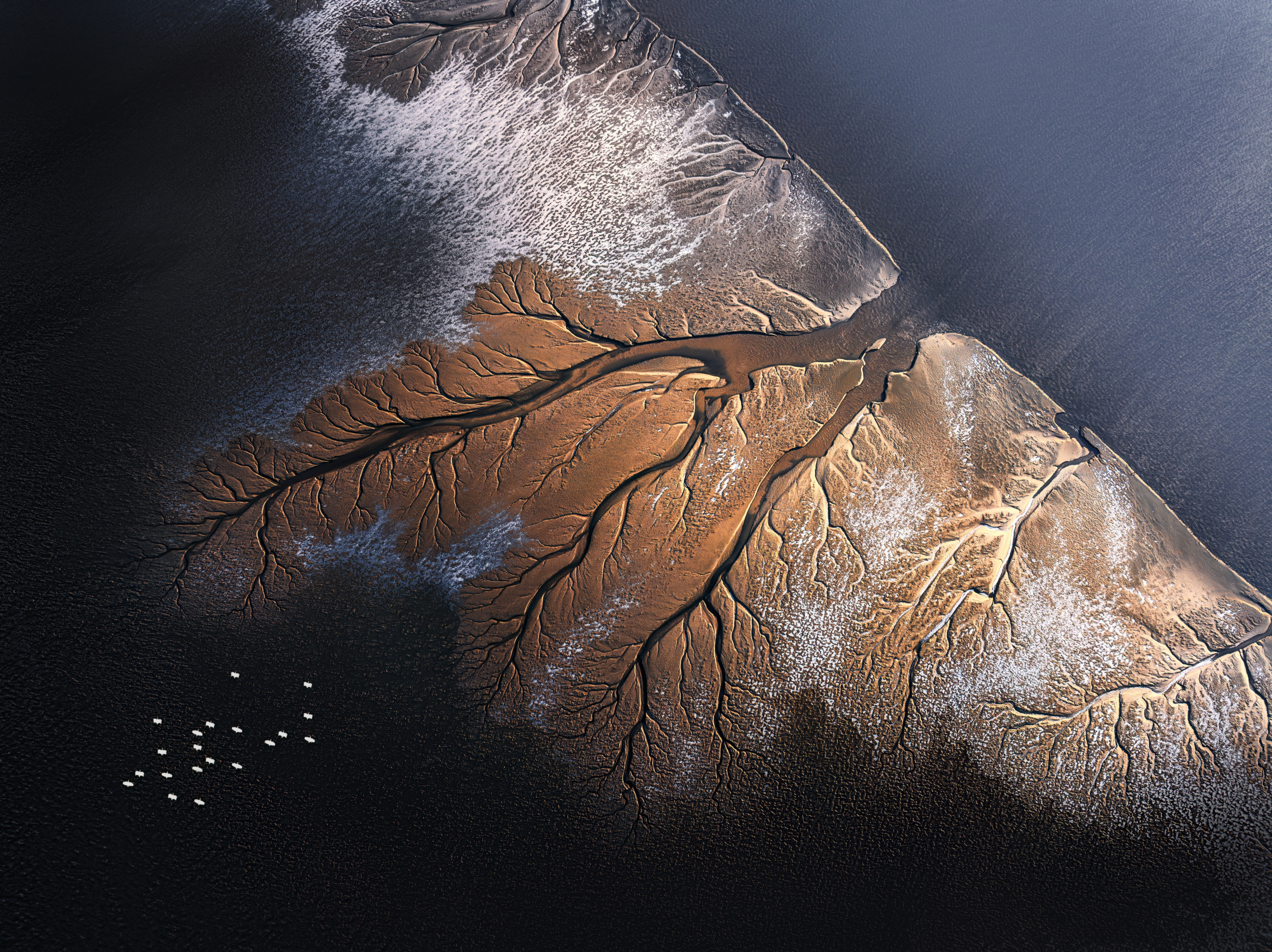
‘Wetland’
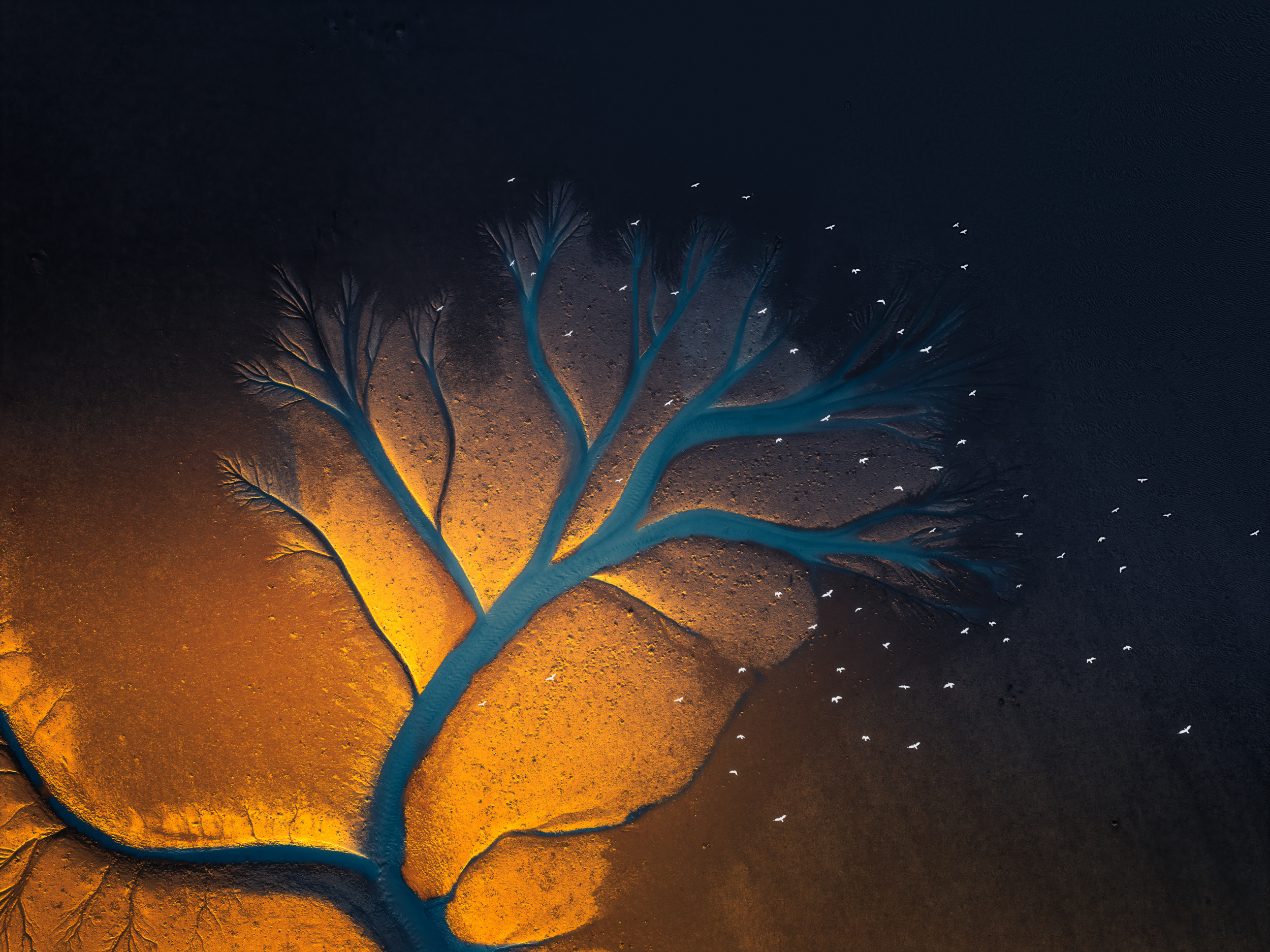
‘Trees growing on the earth’
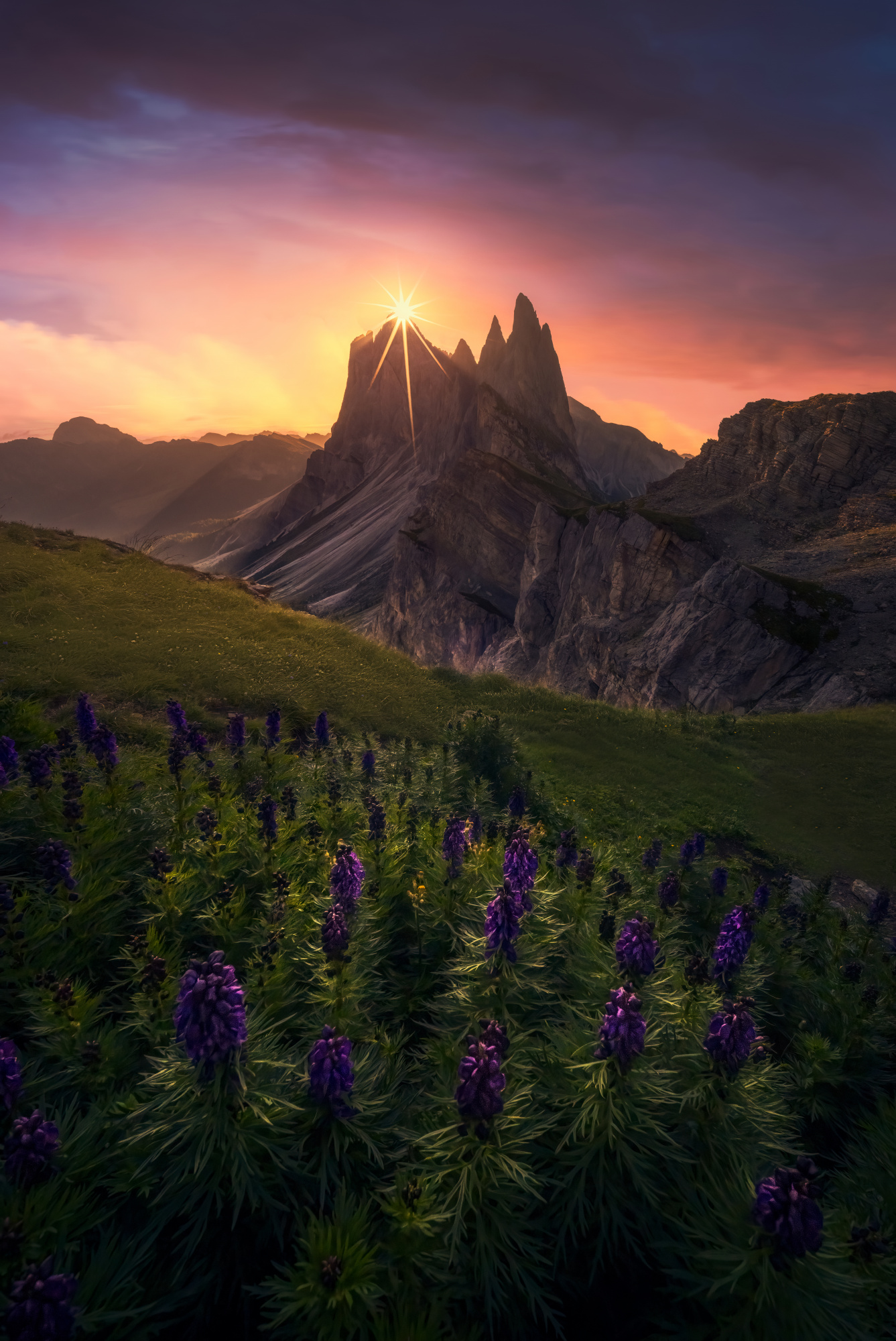
‘purple sea of flowers’
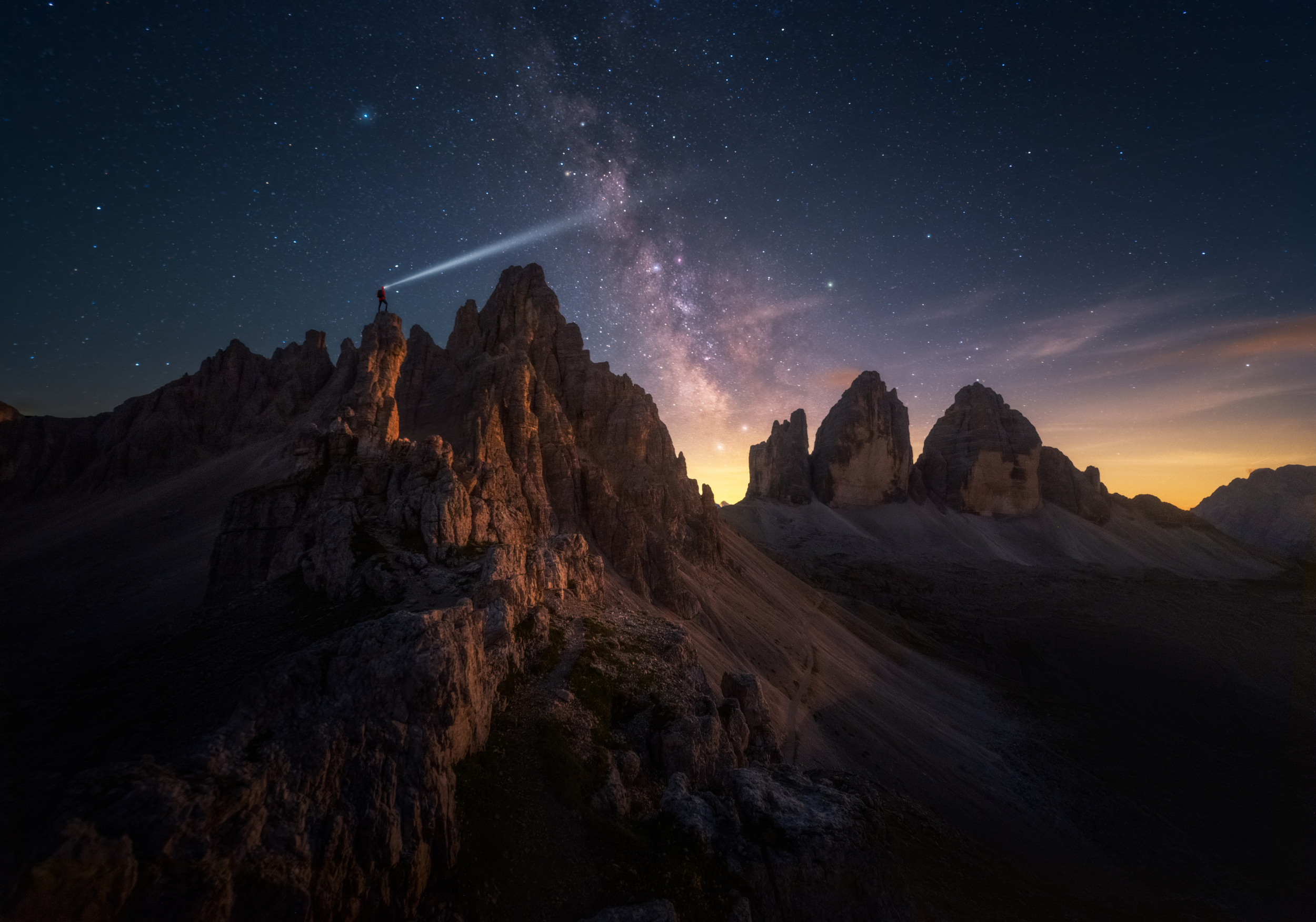
‘Reach the top of the mountain’
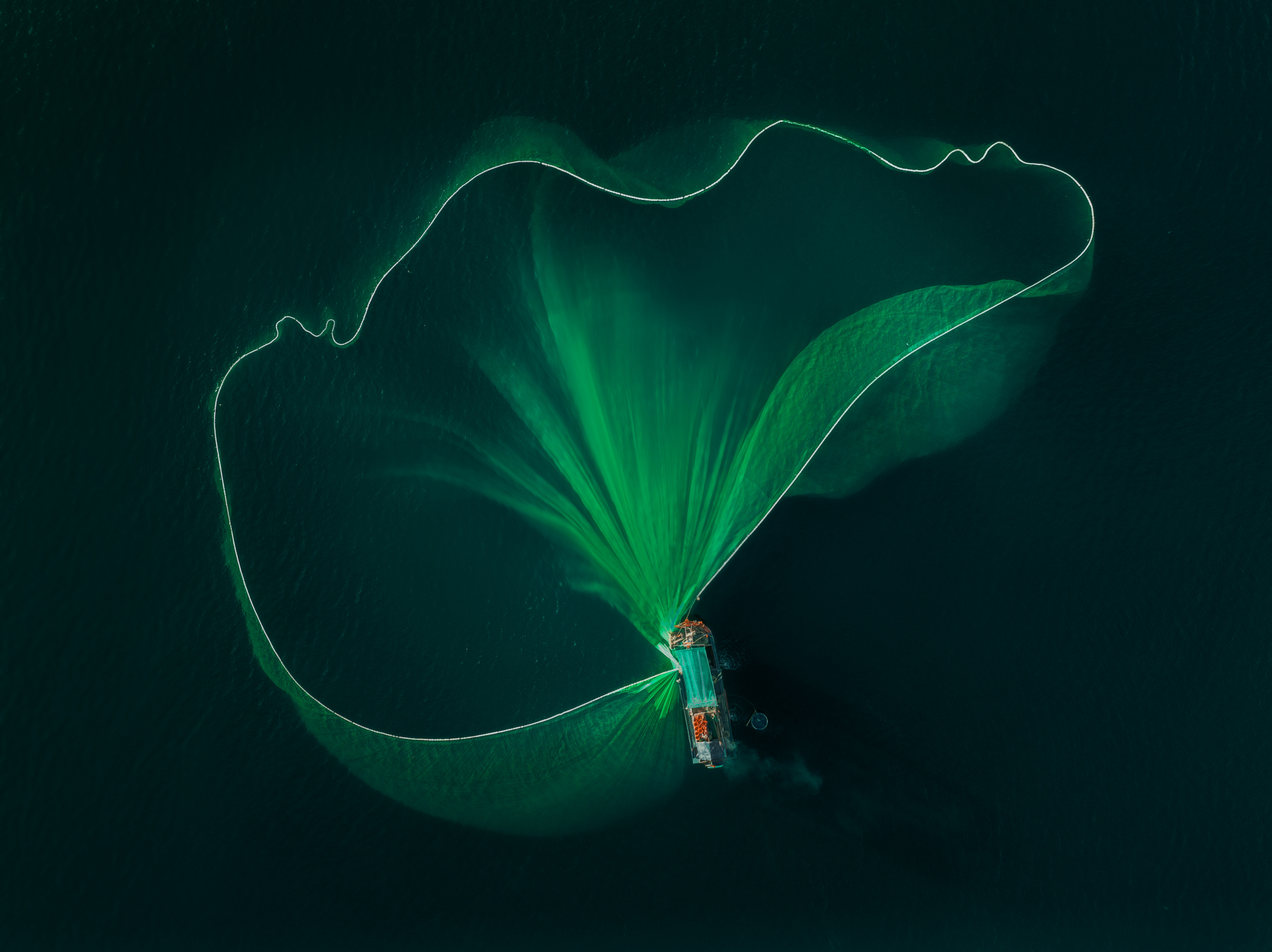
‘fishermen casting their nets’
 | Write |
 | Nichole Chen PRO Outstanding collection of work, congratulations! |
 | Yaping Zhang PRO 太牛了!富有艺术诗意的摄影,令人陶醉其中,流连忘返!欣赏学习收藏了。恭喜! |
 | Gian Corrado DONATI PRO Congratulations for this fantastic work ! |
 | Molly Fu (APA) PRO Beautiful and artistic images, very impressive...congrats! |
 | NingYun Ye PRO Thanks |
 | Lou Urlings PRO Breathtaking photography ! |
| NingYun Ye PRO Thanks |
 | Erik Engström PRO Marvellous |
| NingYun Ye PRO Thanks |
 | Rae Zhang PRO Beautiful work! |
| NingYun Ye PRO Thanks |
 | Cicek Kiral CREW What great photography ! Love each and every one of the images... |
| NingYun Ye PRO Thanks |
 | Hanping Xiao PRO Excellent work! Congrats. |
| NingYun Ye PRO Thanks |
 | Antoni Figueras PRO Fantastic!!
|
| NingYun Ye PRO Thanks |
 | Ruiqing P. PRO Such artistic and poetic photography, truly impressive. Congratulations! |
| NingYun Ye PRO Thanks |
| | Calvin Feng PRO Excellent works and congratulations! |
| NingYun Ye PRO Thanks |
 | John Fan CREW Congratulations! |
| NingYun Ye PRO Thanks |
 | Bing Yu PRO What a beautiful series with artistic images in a poetic flow. |
| NingYun Ye PRO Thanks |
 | Bing Li PRO Very artistic and poetic photography work, impressed and congratulations. |
| NingYun Ye PRO Thanks |
 | Gu and Hongchao PRO Excellent work and congratulations! |
| NingYun Ye PRO Thanks |
 | Fred Bisschop PRO Very beautiful |
| NingYun Ye PRO Thanks |
 | Dazhi Cen PRO Excellent works and congratulations! |
| NingYun Ye PRO Thanks |
 | Angelika Vogel PRO This Portfolio is spectacular! Wonderful, special scenes, compositions and colours! Congratulations! |
| NingYun Ye PRO Thanks |
 | YANGYING PRO Congratulations—excellent work! |
| NingYun Ye PRO Thanks |